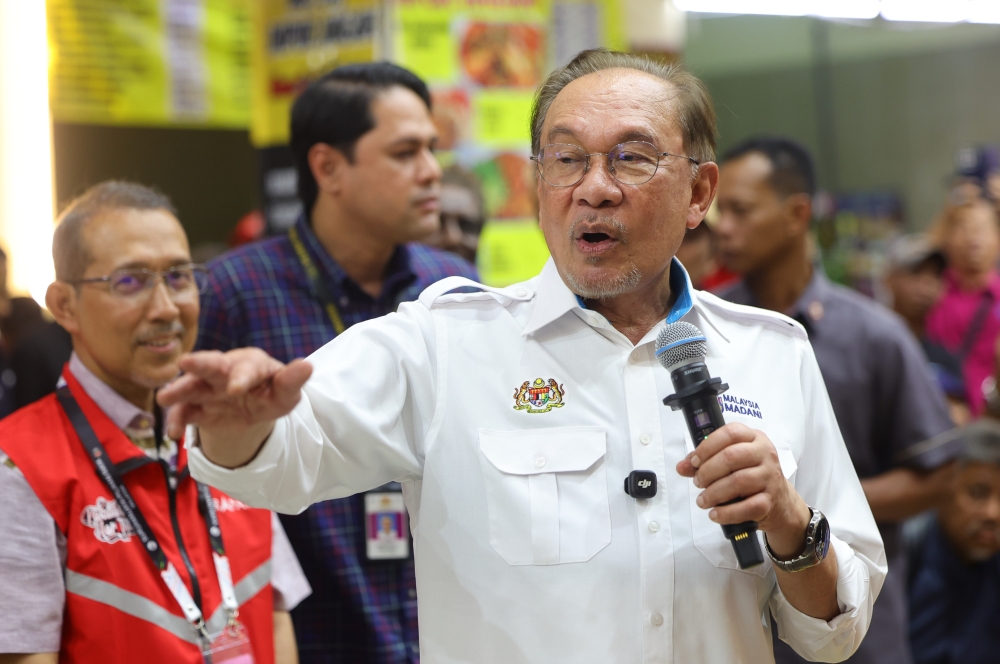
Prime Minister Datuk Seri Anwar Ibrahim is mounting an aggressive final campaign push in Negeri Sembilan, with a demanding schedule of public appearances and grassroots engagement designed to mobilise support for the Pakatan Harapan-led coalition in the state. The relentless pace of activity underscores how seriously the federal government views the contest in a state that has proven pivotal to Malaysia's political trajectory in recent years, and signals confidence that sustained on-the-ground presence can translate into crucial electoral gains.
The timing of this intensified effort reflects conventional campaign wisdom: the final stretch before polling day represents a critical window to consolidate undecided voters and energise the party machinery. For Anwar, who has made frequent trips throughout his premiership to reinforce Pakatan Harapan's grassroots network, such high-visibility engagement serves a dual purpose. It demonstrates commitment to voters while simultaneously projecting an image of an active, accessible national leader who remains engaged with local concerns rather than remaining confined to federal duties in Kuala Lumpur.
Negeri Sembilan has held particular significance within Malaysia's electoral landscape. The state served as a flashpoint during the 2022 general election cycle and subsequent political upheavals, with shifting coalition dynamics reflecting broader currents within the Malaysian electorate. Control of the state legislature carries implications extending beyond its thirteen state assembly seats, as victories or losses there often signal momentum heading into subsequent elections and influence the confidence of political actors making calculations about coalition viability and strength.
The decision to concentrate Anwar's energies in Negeri Sembilan at this juncture suggests that internal coalition polling indicates either a competitive race requiring maximum effort or an opportunity to expand Pakatan Harapan's presence beyond existing strongholds. Such intensive presidential-level campaigning typically targets persuadable constituencies where personal appeals from national leadership can sway marginal voters or energise lukewarm supporters who might otherwise sit out the election entirely.
From a strategic perspective, Anwar's visible campaign presence in the state also serves to anchor the broader Pakatan Harapan messaging agenda. By focusing on specific local issues while connecting them to national policy priorities, the Prime Minister can reinforce the coalition's narrative that it offers coherent governance across multiple levels. This approach helps counter opposition arguments that the ruling coalition lacks unity or vision. The visibility also ensures media coverage that amplifies campaign messages beyond those physically present at rallies and roadshows.
The packed schedule reflects the resource intensity of modern Malaysian electoral campaigns, where competing for voter attention requires coordinated action across multiple media channels and physical touchpoints. For smaller states like Negeri Sembilan, concentrated campaign visits from national figures generate considerable local media coverage and social media amplification that would otherwise be difficult to achieve. This media leverage becomes particularly valuable when resources are stretched across a multistate nation.
For ordinary Negeri Sembilan residents, the Prime Minister's presence in their constituencies creates opportunities for direct engagement with national leadership—a commodity that can influence voting decisions, particularly among voters concerned with bread-and-butter issues that require federal government intervention. Such voter encounters, whether formal or informal, allow citizens to gauge whether national leaders genuinely understand local conditions or merely parachute in for ceremonial appearances during election season.
The campaign dynamics also reveal something about the internal calculations within the ruling coalition. That Anwar personally commits to an extended schedule in Negeri Sembilan indicates that Pakatan Harapan believes the state remains within reach and that additional effort can move the needle decisively. Conversely, opposition parties will likely respond with their own leadership presence, setting up a final period of intense politicking that will dominate local discourse.
Regionally, Negeri Sembilan's electoral outcome carries implications for Malaysian politics more broadly. As a state positioned between Selangor and Pahang, its results offer clues about coalition strength in crucial central regions. Victories in Negeri Sembilan would boost Pakatan Harapan's confidence heading into future contests, while setbacks would inevitably invite questions about coalition sustainability and voter confidence in its continued leadership capacity.
The Prime Minister's electoral engagement strategy reflects a broader philosophical commitment to participatory politics, where leadership involves direct interaction with constituents rather than reliance solely on established party structures or media intermediaries. Whether such intensive campaigning translates into corresponding electoral success will depend on whether voters ultimately view Anwar's efforts as substantive engagement or largely symbolic exercise. The answers that voters provide on polling day will shape not only Negeri Sembilan's political complexion but also the broader trajectory of Malaysian coalition politics.

