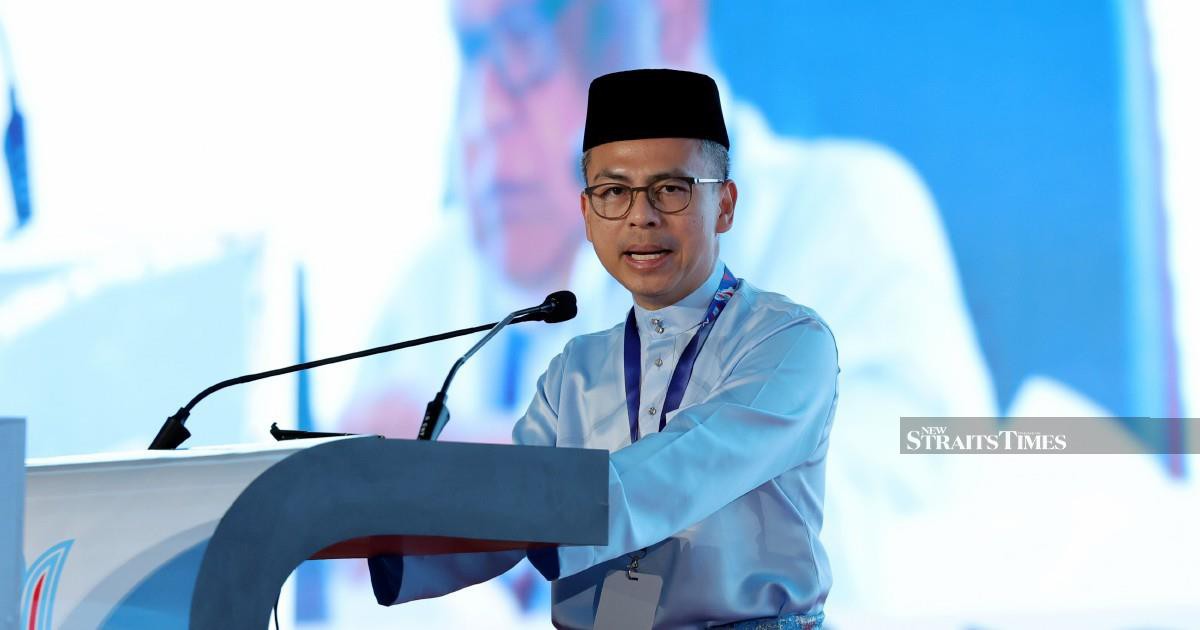
Prime Minister Datuk Seri Anwar Ibrahim is poised to make a series of announcements in the coming days, according to PKR information chief Datuk Seri Fahmi Fadzil, who suggested that the government has additional measures or initiatives ready for public disclosure. Speaking at Ayer Keroh, Fahmi indicated that multiple announcements could materialise as soon as the following day, hinting at a busy period of government communications ahead.
The statement from Fahmi offers little detail about the nature of the impending announcements, leaving observers to speculate about whether they relate to economic policy, social programmes, infrastructure initiatives, or other areas of government focus. In Malaysia's current political landscape, such hints from senior government officials typically precede significant policy shifts or structural changes that require careful media management and public messaging.
Fahmi's role as PKR's information chief positions him as a key conduit for government communications strategy. His remarks suggest the party and administration are coordinating messaging around what appears to be a substantive batch of initiatives rather than routine administrative updates. The timing of such announcements can carry political significance, often deployed to shape public discourse or demonstrate government momentum on key priorities.
The Pakatan Harapan coalition has previously used coordinated announcement strategies to roll out policies affecting various stakeholder groups. This pattern of pre-announced announcements serves multiple purposes: allowing media preparation time, building anticipation for policy details, and ensuring consistent messaging across government bodies. The forthcoming cycle of statements from Anwar may follow a similar template.
For business and civil society stakeholders across Malaysia, such hints trigger careful attention to government channels and media outlets for clarity on what changes lie ahead. Depending on their substance, these announcements could influence investment decisions, regulatory compliance strategies, and public-sector engagement plans. The economic calendar has grown increasingly important as Malaysia navigates persistent inflationary pressures and efforts to sustain growth momentum.
Southeast Asian observers watching Malaysian governance often track how the federal administration communicates major decisions. Malaysia's relatively transparent media environment and the frequency of official statements distinguish it from several neighbouring countries. The pattern of officials hinting at forthcoming announcements reflects a communication culture that generally respects media cycles and public information needs, though it can sometimes extend anticipation periods unnecessarily.
Anwar's premiership has been marked by an emphasis on modernisation, digital governance, and inclusive economic policies. Previous announcements from his administration have ranged from digital transformation initiatives to targeted assistance programmes for specific sectors and income groups. The forthcoming statements could potentially extend these themes or introduce new priorities reflective of evolving government assessment of national challenges and opportunities.
The political context surrounding these announcements deserves consideration. With Malaysia's parliament comprising diverse coalition partners and independent voices, major policy moves often require careful sequencing to maintain stability and manage expectations across different constituencies. Fahmi's advance notice allows government stakeholders and allied lawmakers to prepare messaging and understand the rationale behind upcoming decisions.
Regional economic headwinds and domestic fiscal pressures have featured prominently in government discourse throughout 2024. The planned announcements may address responses to these challenges, whether through targeted business support, social safety net adjustments, or revenue-generating measures. Malaysia's position as a regional financial hub and manufacturing centre means that government policy announcements frequently attract scrutiny from international investors and regional competitors.
For Malaysian readers and stakeholders, the practical implication of Fahmi's signal is straightforward: remain alert to official government communications in coming days for details on initiatives affecting their respective sectors or interests. Whether these announcements ultimately prove transformative or incremental will depend on their scope, funding, and implementation mechanisms—details that typically emerge only after formal public disclosure.
The transparency of Fahmi's hint, while deliberately vague, reflects contemporary political communication norms in Malaysia where advanced notice of announcements has become standard practice. This approach differs markedly from more abrupt policy announcements that can destabilise markets or blindside stakeholders. By signalling an announcement cycle, the government allows reasonable time for stakeholder adjustment and informed media coverage.

