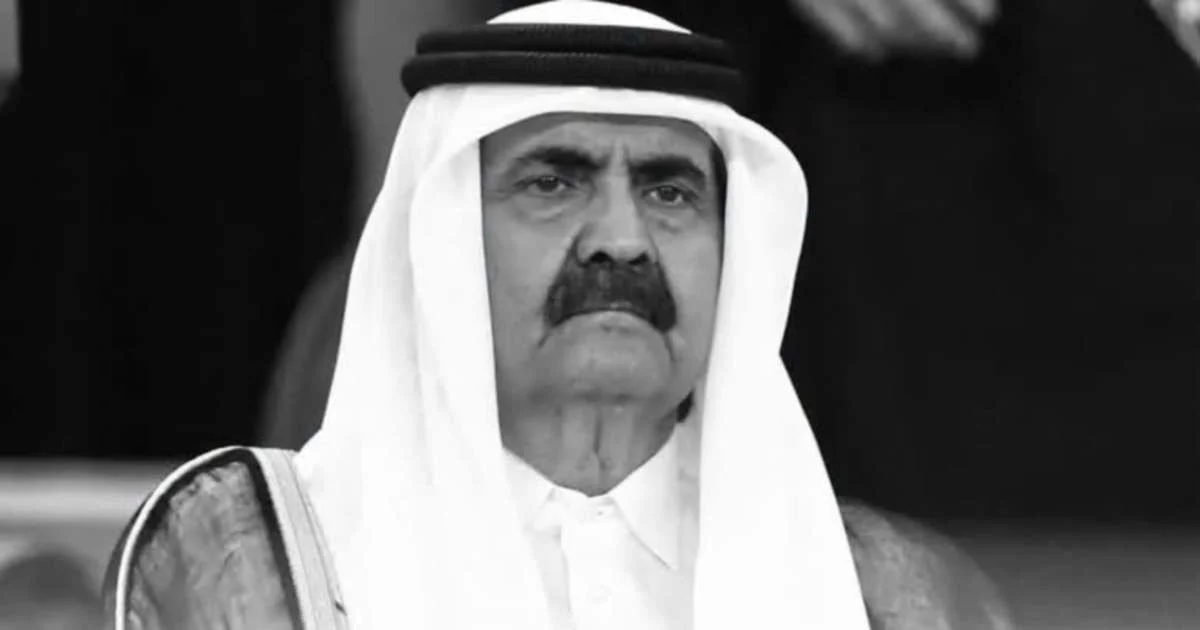
Prime Minister Datuk Seri Anwar Ibrahim has conveyed Malaysia's formal condolences to the government and citizens of Qatar in the wake of the passing of Sheikh Hamad bin Khalifa Al Thani, the Gulf nation's former supreme leader, who died today at the age of 74. The expression of sympathy reflects the diplomatic ties and shared regional interests binding the two Muslim-majority nations across South and Southeast Asia.
Sheikh Hamad bin Khalifa Al Thani, who served as Qatar's emir for nearly two decades until his abdication in 2013, represented a pivotal era in the nation's transformation into a global economic and political force. His leadership fundamentally reshaped Qatar's standing in international affairs, overseeing the country's emergence as a significant player in Middle Eastern diplomacy and establishing major foreign investments across numerous continents. The former emir's influence extended well beyond the emirate's borders, touching contemporary geopolitics in ways that continue to influence regional stability today.
During his tenure as head of state, Sheikh Hamad bin Khalifa Al Thani navigated Qatar through periods of substantial economic growth fuelled by hydrocarbon wealth and strategic diversification. His administration pursued ambitious infrastructure development programmes and positioned the nation as a hub for international commerce and cultural exchange. These initiatives, many of which remain visible in contemporary Qatar's landscape, helped establish the foundation upon which modern Qatari governance continues to build.
The death of the former emir carries particular significance for Southeast Asian nations maintaining multifaceted relationships with Qatar. Malaysia, as a fellow Muslim-majority democracy with substantial ties to Gulf Arab states, has cultivated partnerships spanning trade, investment, education, and cultural collaboration with Qatar. Bilateral relations have historically centred on religious commonality, economic cooperation, and regional security concerns affecting both the Gulf and the wider Indian Ocean region.
Anwar's message of condolence signals Malaysia's recognition of Sheikh Hamad bin Khalifa Al Thani's historical role in shaping contemporary Middle Eastern politics and the international order. The prime minister's formal acknowledgment of the loss reflects customary diplomatic protocol whilst underscoring the respect accorded to the deceased's significant contributions to his nation and broader regional development. Such gestures, whilst routine in international relations, carry weight in demonstrating solidarity and recognising shared values between nations.
Qatar's current leadership, under Emir Tamim bin Hamad Al Thani—who ascended to power following Sheikh Hamad's voluntary relinquishment of authority—has continued many of the strategic directions established during the former emir's administration. The transition in 2013 represented an unusual demonstration of orderly succession planning within the Gulf monarchy, with Sheikh Hamad stepping aside to allow his son to assume leadership responsibilities. This peaceful transfer of power distinguished Qatar from some neighbouring states and demonstrated institutional maturity in governance.
The broader implications of Sheikh Hamad bin Khalifa Al Thani's legacy extend to regional security architecture and Malaysia's own strategic calculus in engaging Gulf Arab partners. His tenure witnessed significant evolution in Qatar's defence relationships, hosting of international organisations, and positioning as a mediator in various regional disputes. These developments created opportunities for Southeast Asian nations to deepen engagement with Doha on matters affecting maritime security, counterterrorism cooperation, and economic partnerships.
For Malaysia specifically, the loss of figures of Sheikh Hamad's stature occasionally prompts reflection on bilateral relations and areas for potential expansion of cooperation. The former emir's willingness to invest in cross-continental partnerships and support development initiatives in Asia created precedents that his successors have generally maintained. Malaysian entities, ranging from sovereign wealth funds to private enterprises, have benefited from Qatari capital deployment and business collaboration frameworks established during periods when the former emir wielded direct influence over state affairs.
The passing of significant regional leaders often triggers diplomatic activity and reassessments of bilateral agendas amongst neighbouring and allied states. Anwar's timely expression of condolences positions Malaysia within the broader international community's acknowledgment of Qatar's loss whilst subtly reinforcing the importance Malaysia places on maintaining stable, productive relations with key Gulf partners. Such interactions, though sometimes overlooked in mainstream media coverage, constitute the fabric of regional diplomacy that underpins economic stability and security arrangements across Asia-Pacific and the Middle East.
Looking forward, Sheikh Hamad bin Khalifa Al Thani's death marks the closing of a historical chapter for Qatar and invites reflection amongst international partners regarding the trajectory of their respective relationships with Doha. Malaysia, navigating its own complex regional dynamics and seeking to maintain balanced engagement with multiple international partners, recognises the value of continuity in diplomatic relationships whilst respecting the transitional moments that punctuate governance changes across the Muslim world. The prime minister's condolences thus carry significance beyond ceremonial acknowledgment, representing Malaysia's commitment to enduring partnership with Qatar regardless of leadership transitions or generational changes at the helm of state institutions.

