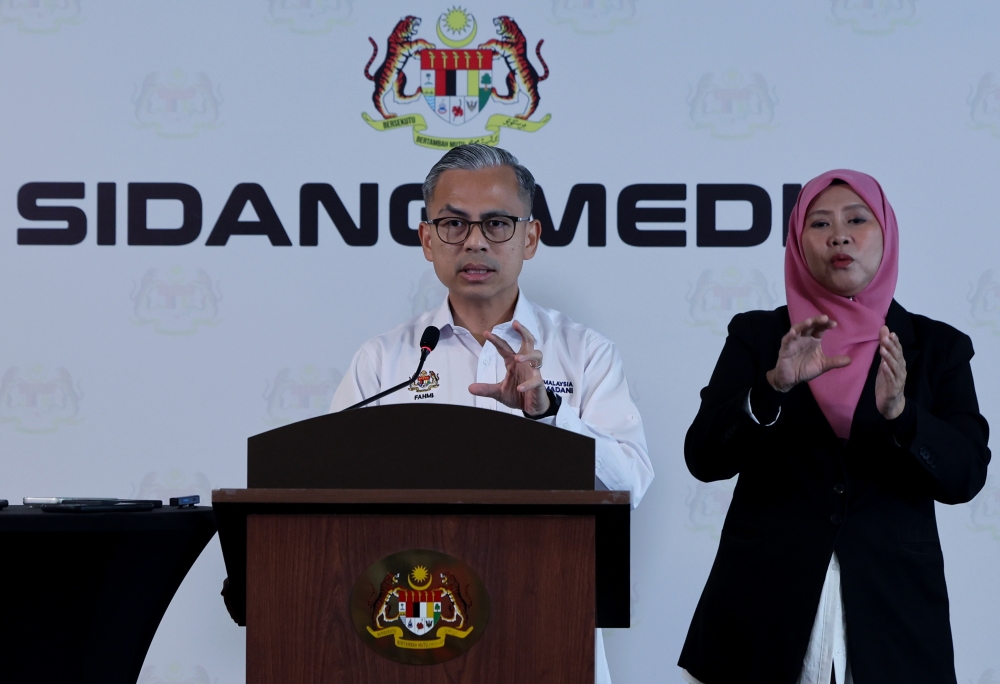
Prime Minister Datuk Seri Anwar Ibrahim has directed the Ministry of Human Resources to prioritize and accelerate the handling of 15,000 pending foreign worker applications, according to a statement from Communications Minister Fahmi Fadzil in Putrajaya on August 5. The directive underscores the administration's commitment to addressing worker shortages that continue to hamper productivity across Malaysia's manufacturing, construction, hospitality, and plantation industries.
Fahmi conveyed the Prime Minister's instructions during a routine media engagement, emphasizing that the expedited processing represents part of a broader strategy to balance labour market needs with regulatory oversight. The 15,000 applications represent a significant backlog that has accumulated as employers struggle to fill positions amid tight labour supply conditions. By streamlining approval procedures, the government aims to inject fresh workforce capacity into sectors critical to economic growth without compromising background checks and compliance standards.
The decision reflects mounting pressure from industry stakeholders who have repeatedly flagged workforce constraints as a drag on competitiveness. Manufacturing associations and construction firms have particularly voiced concerns about their inability to meet production targets and project timelines due to insufficient skilled and semi-skilled labour. The accumulation of pending applications suggests administrative bottlenecks rather than policy resistance, making the Prime Minister's intervention a pragmatic response to a procedural inefficiency.
Context matters here for Malaysian readers and investors. The region's post-pandemic economic recovery has intensified competition for foreign labour across Southeast Asia, with countries such as Thailand and Singapore aggressively recruiting workers through streamlined visa regimes. Malaysia risks losing ground if processing delays deter employers from hiring locally and instead push investment towards more labour-friendly jurisdictions. Anwar's directive signals recognition of this competitive dynamic and the need to modernize administrative workflows.
The Ministry of Human Resources, under current leadership, faces the operational challenge of scaling up approval capacity without sacrificing due diligence. Processing applications involves multiple verification steps, including background screening, skills assessment, and employer compliance checks. Expediting this workflow will require either additional staffing, digitization of procedures, or both. The government has previously invested in e-services platforms for permit applications, suggesting that further automation may be the path forward.
From a sectoral perspective, the relief will likely benefit plantation operators and palm oil estates, which employ hundreds of thousands of migrant workers and face perpetual labour turnover. Construction companies undertaking major infrastructure projects funded by the 12th Malaysia Plan will similarly benefit from faster hiring cycles. Hospitality and service sectors, still recovering from pandemic-related disruptions, may also see improved staffing prospects as borders remain open and travel normalizes.
However, labour advocates have historically voiced concerns about the welfare of foreign workers in Malaysia, citing instances of wage theft, unsafe working conditions, and limited access to dispute resolution mechanisms. Accelerating approvals without strengthening enforcement of worker protections could exacerbate these issues. The government will need to ensure that faster processing runs parallel to tougher inspection regimes and labour compliance audits to maintain standards and protect vulnerable populations.
The directive also carries political implications for Anwar's administration. Demonstrating responsiveness to industry concerns helps solidify business confidence and supports the narrative of decisive, results-oriented governance. With several state elections on the horizon and broader electoral dynamics at play, delivering tangible economic improvements signals competence and willingness to act on stakeholder feedback. Success in clearing the backlog could become a talking point in future economic development messaging.
Regionally, Malaysia's labour policy decisions reverberate across ASEAN supply chains. Neighbouring countries closely monitor each other's foreign worker policies, visa processing speeds, and wage levels when deciding where to locate labour-intensive operations. By expediting approvals, Malaysia reinforces its positioning as a pragmatic destination for regional manufacturing and logistics hubs. This competitive positioning matters as Southeast Asia navigates reshoring trends and supply chain diversification away from China.
Implementation timelines remain unclear from the initial announcement. Whether the Ministry of Human Resources will complete processing within weeks or months will determine the real-world impact of the directive. Officials will likely provide progress updates in coming weeks as the administrative machinery mobilizes to meet the Prime Minister's expectations. The effectiveness of this intervention will ultimately depend on whether it represents a one-time push or catalyzes permanent improvements in how Malaysia manages foreign worker permits.
Looking ahead, the government may need to address the root causes of application backlogs through structural reform rather than ad-hoc directives. This could include raising annual foreign worker quotas, simplifying application forms, or establishing service level agreements with a defined processing timeline. Longer-term, Malaysia's demographic challenges and retirement of local workers make foreign labour increasingly central to economic sustainability. A modernized, efficient permit system would better serve both employers and the state's fiscal interests.

