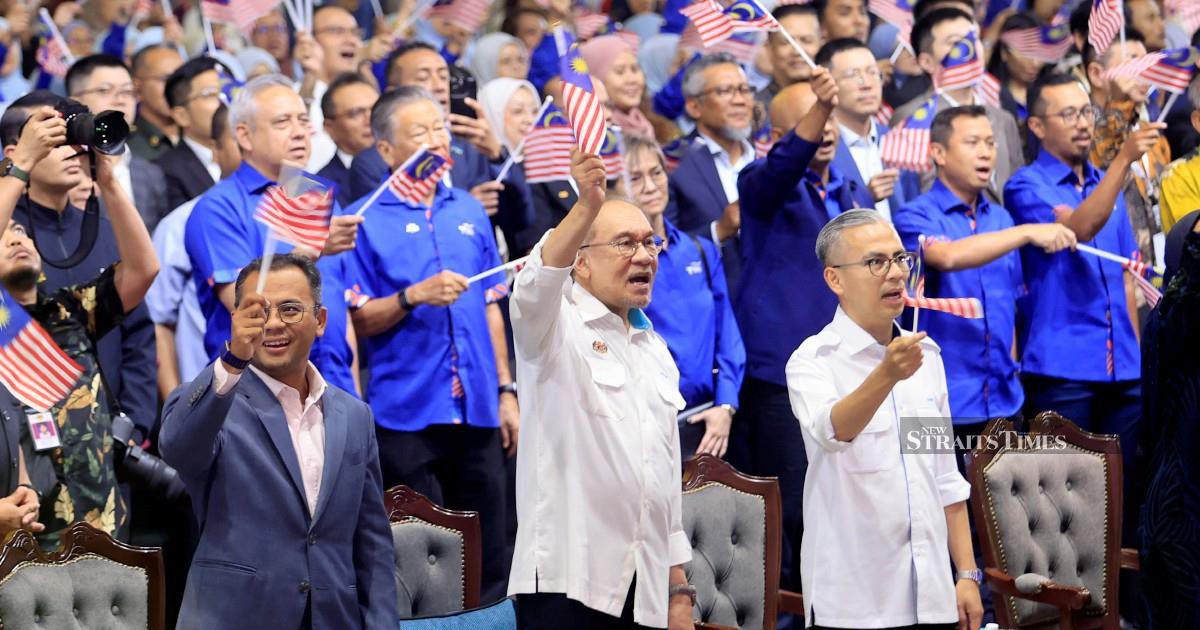
Prime Minister Datuk Seri Anwar Ibrahim has directed universities across Malaysia to immediately grant students full freedom of expression and association, bypassing the lengthy formal process of abolishing the Universities and University Colleges Act (AUKU). The directive came into effect from the following morning, marking a decisive shift in government policy toward student rights that have long been constrained under the decades-old legislation.
The AUKU, enacted decades ago, has historically served as the legal framework governing student conduct and limiting their engagement in political and social activities. Under its provisions, students have faced restrictions on their ability to participate in public demonstrations, hold political meetings, or engage in certain forms of advocacy without institutional approval. The legislation has been a subject of considerable controversy, with civil society organizations, student activists, and international human rights bodies regularly calling for its repeal, arguing that it unduly curtails fundamental freedoms that ought to be protected in a democratic society.
Anwar's decision represents a significant departure from previous administrations' approach to student activism and university governance. Rather than waiting for parliament to undertake the lengthy legislative process required to formally repeal AUKU, the Prime Minister chose to instruct universities to voluntarily cease enforcement of the act's most restrictive provisions. This pragmatic approach acknowledges the political and administrative challenges of pushing formal legislative amendments through parliament while simultaneously demonstrating commitment to student liberties.
The immediate implementation of the directive signals that Malaysian universities should now operate without imposing the traditional constraints on student political participation that AUKU enforcement entailed. Students will theoretically enjoy greater latitude to organize campus activities, engage in public discourse, and participate in demonstrations without risking disciplinary action from their institutions. This represents a material expansion of the operational space available to student movements across Malaysian campuses.
The move carries particular significance for Malaysia's higher education sector, which has long been characterized by restrictions on student activism that were stricter than many comparable institutions in the region. Universities in neighboring countries have generally permitted broader student participation in political and social affairs, creating a competitive disadvantage for Malaysian institutions seeking to attract and retain talented international students. The relaxation of AUKU enforcement may help address this perception gap.
Implementing Anwar's directive presents practical challenges for university administrations. Many institutions have embedded AUKU compliance procedures into their disciplinary frameworks and student codes of conduct. Universities will need to revise policies, retrain administrative staff, and establish new protocols for managing student activities. Some institutions may require clarification on which specific AUKU provisions they should cease enforcing and how to handle situations where student activities might create legitimate safety or campus management concerns.
The directive also raises questions about the eventual formal fate of AUKU legislation itself. While the Prime Minister's order removes enforcement pressure immediately, the act remains technically on the statute books. The government has not announced a timeline for formal legislative abolition, leaving ambiguity about whether a future administration might attempt to reinvigorate enforcement. A more permanent solution would involve parliament formally repealing AUKU through standard legislative procedures, which would provide certainty and prevent potential reversal.
For Malaysian students, the practical implications of this policy shift extend beyond campus activism. Greater freedom to organize and express political views could reshape student engagement with national issues ranging from education policy to economic concerns affecting young people. Student movements have historically been catalysts for broader social and political change in Malaysia and across Southeast Asia, and expanded student freedoms could potentially influence the trajectory of public discourse.
The directive reflects broader trends within the government toward addressing civil liberties concerns and modernizing Malaysia's legal frameworks. Since taking office, the Anwar administration has pursued various initiatives intended to strengthen democratic institutions and individual freedoms. This order on student restrictions aligns with that broader agenda, though critics may note that formal legislative change provides more durable protections than administrative directives alone.
University leaders and student organizations will face an important responsibility in managing the transition thoughtfully. While expanded freedoms represent a positive development for student rights, universities must still maintain orderly campuses and ensure that legitimate institutional interests in safety and academic integrity are protected. The challenge lies in striking an appropriate balance between permitting robust student engagement and maintaining functional campus communities.
Regionally, Malaysia's move toward liberalizing student freedoms may influence policy discussions in other Southeast Asian countries where student activism remains restricted. Several regional neighbors continue to enforce significant limitations on student political participation, and Malaysia's experience with dismantling such restrictions could serve as a reference point for broader conversations about higher education governance and democratic participation across the region.
The full consequences of Anwar's order will unfold gradually as universities implement new procedures and as student movements test the boundaries of their expanded freedoms. How effectively institutions balance open student engagement with their administrative responsibilities will significantly influence whether this policy change achieves its intended purpose of fostering more vibrant and free campus communities while maintaining institutional stability.

