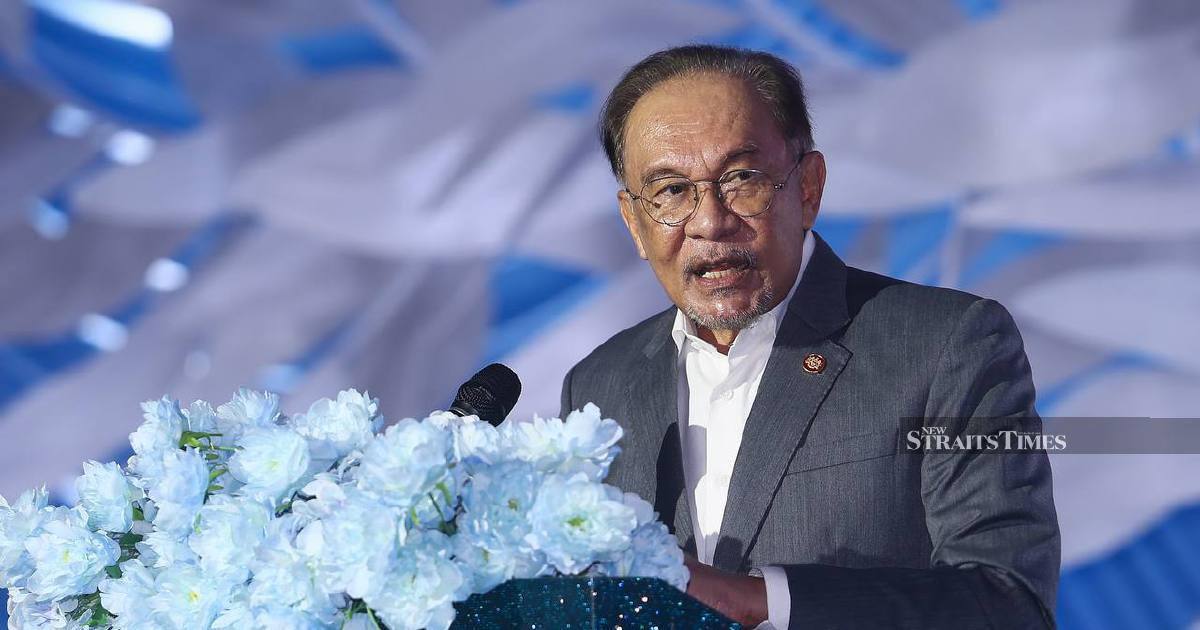
Prime Minister Datuk Seri Anwar Ibrahim has issued a stark warning that Malaysia's government stands ready to expel any Israeli nationals discovered to have connections with the Network School, a residential and workspace initiative being developed within Forest City in Johor. The statement represents a firm assertion of Malaysia's position on Israeli involvement in domestic projects and signals the government's commitment to maintaining strict scrutiny over foreign participation in major developments.
The Network School itself functions as a contemporary co-living and co-working community designed to accommodate professionals and entrepreneurs seeking modern urban accommodation integrated with workspace facilities. Forest City, the larger development context in which this project sits, has previously attracted considerable international investment and developmental interest across Southeast Asia. The proximity of the project to Singapore, just across the causeway, has made it an attractive location for regional business ventures and attracted multinational interest.
Anwar's unequivocal warning underscores Malaysia's longstanding political and diplomatic position regarding Israeli entities and their operations within Malaysian territory. The government has consistently maintained policies that restrict Israeli involvement in commercial, developmental, and institutional projects, reflecting the country's alignment with Palestinian advocacy and its broader geopolitical stance in Middle Eastern affairs. This latest statement demonstrates that such scrutiny extends to contemporary ventures including innovative residential and workspace models that might otherwise attract international participants without national origin considerations.
The timing and directness of the Prime Minister's remarks suggest heightened official attention to potential Israeli participation in Malaysian enterprises, particularly those located in strategically significant economic zones. Forest City's status as a major cross-border economic development hub appears to have drawn particular focus from the federal government, which evidently recognizes both the commercial importance and the potential diplomatic implications of such projects.
For Malaysian investors and developers working on properties and initiatives within Forest City and similar zones, the statement carries clear implications regarding due diligence and stakeholder vetting procedures. Projects seeking government approval or operating within Malaysian jurisdiction must now ensure transparent disclosure of all ownership structures, management arrangements, and operational relationships, particularly where international parties are involved. Failure to comply with such expectations risks not only regulatory complications but potential government intervention.
The broader business community across Malaysia and the broader Southeast Asian region will likely interpret this statement as an indicator of the government's current enforcement priorities. While Malaysia has maintained consistent legal frameworks governing foreign participation in domestic ventures, the Prime Minister's direct and public warning elevates the policy from routine administrative enforcement to a matter of immediate executive attention. This elevation signals that relevant government agencies will presumably increase their investigative and compliance monitoring activities related to Israeli involvement.
From a regional perspective, Malaysia's stance on this matter reflects broader political complexities within Southeast Asia regarding Middle Eastern affairs. As a Muslim-majority nation with significant Palestinian support domestically, Malaysia has historically positioned itself as a vocal advocate within international forums. The Network School incident demonstrates that such advocacy extends beyond diplomatic statements into active governance of commercial activity and foreign investment flows into domestic territories.
The development sector, particularly high-value projects located in economically strategic zones like Forest City, operates in an environment of complex regulatory requirements spanning multiple jurisdictions and governmental agencies. Developers must navigate not only conventional planning, environmental, and safety regulations but also geopolitical and diplomatic considerations that may vary in emphasis and enforcement depending on the political administration. Anwar's statement clarifies that the current government prioritizes vigilant oversight of Israeli participation in such developments.
International investors considering Malaysian ventures should recognize that participation restrictions based on nationality or national origin remain active components of Malaysia's regulatory environment. While Malaysia is committed to attracting foreign direct investment and maintaining competitive market conditions, such investment remains contingent upon alignment with the government's foreign policy objectives and diplomatic commitments. The willingness of the Prime Minister to articulate this position publicly and emphatically suggests that government agencies have identified concerning patterns requiring correction.
For the Network School specifically, the statement likely necessitates a reassessment of all stakeholder relationships, funding sources, and operational structures to ensure compliance with government expectations. Any entity involved in the project must conduct comprehensive reviews to identify and address potential Israeli involvement at all organizational levels, from direct ownership to contractual relationships and professional service providers.
Moving forward, the incident establishes a precedent clarifying that Malaysian authorities will actively scrutinize major developments, particularly in economically significant zones, for connections to Israeli entities. This enforcement approach reflects the government's integration of foreign policy considerations into economic governance, a pattern familiar across many jurisdictions but here articulated with particular force and clarity by the nation's chief executive.

