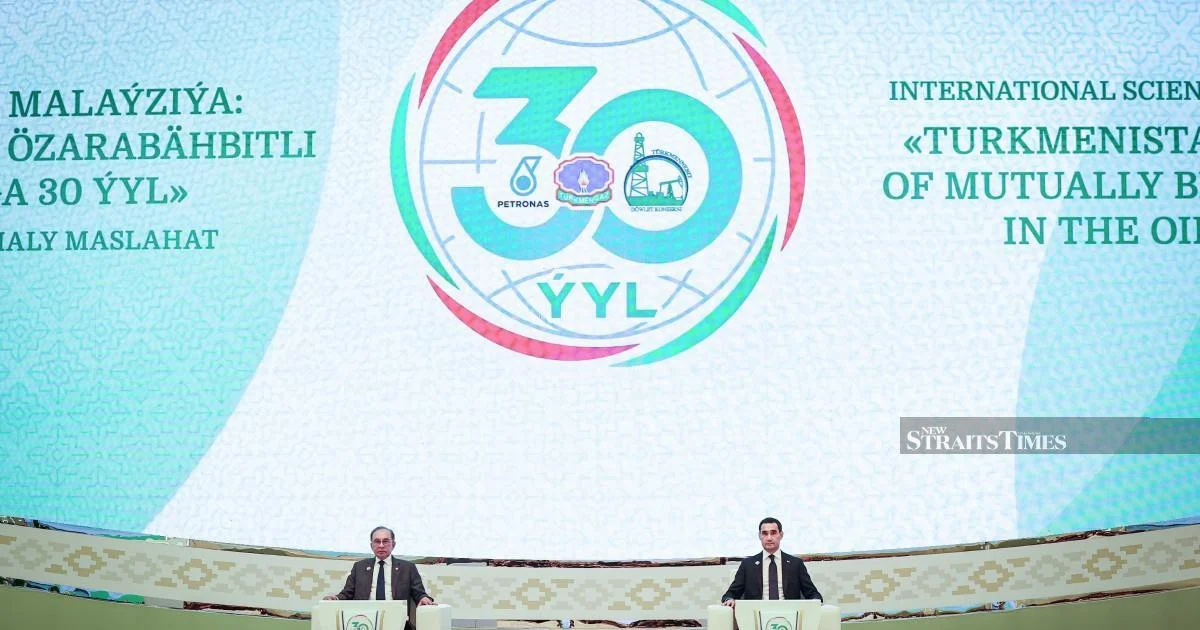
Prime Minister Datuk Seri Anwar Ibrahim's diplomatic tour through Russia and Turkmenistan last week represents a significant milestone in Malaysia's ongoing effort to forge deeper energy partnerships beyond traditional Western markets. The visit demonstrated the administration's commitment to expanding the nation's hydrocarbon supply chains and establishing stronger economic relationships with key players in the global energy sector.
Energy security has become increasingly crucial for Malaysia's economic trajectory, particularly as the country navigates the complexities of the post-pandemic global landscape. The nation's refining capacity and downstream operations depend heavily on reliable access to crude oil and liquefied natural gas, making the diversification of supply sources a strategic imperative. By engaging directly with energy-rich nations in Central Asia and Eastern Europe, Malaysia is positioning itself to negotiate favourable long-term contracts that could insulate the economy from price volatility and supply chain disruptions.
Russia, as one of the world's largest oil and gas producers, offers Malaysia compelling opportunities for partnership. The Kremlin's ongoing interest in deepening ties with Asian markets has created openings for bilateral negotiations that could benefit both nations. Moscow's geopolitical shift towards Asia, driven partly by Western sanctions and economic pressures, means that Malaysian operators have leverage to negotiate attractive terms in long-term supply agreements. These arrangements could translate into more stable pricing mechanisms and enhanced certainty for Malaysia's energy-dependent industries.
Turkmenistan's emergence as a significant natural gas exporter adds another dimension to Malaysia's energy strategy. The Central Asian nation possesses vast proven reserves and is actively seeking buyers to expand its export infrastructure. Malaysia's downstream capabilities and experience in LNG commercialisation could create valuable partnership opportunities, potentially opening avenues for joint ventures or development projects that benefit both economies. The country's geographic position along the Belt and Road Initiative corridors also makes it an attractive partner for Malaysian investors seeking to establish a foothold in emerging Central Asian energy markets.
The broader geopolitical context cannot be ignored. Malaysia's traditional energy partnerships with Middle Eastern suppliers continue to form the backbone of national energy security. However, cultivating relationships with alternative suppliers reduces dependency on any single region and provides negotiating advantages. The diplomatic push into Russia and Turkmenistan therefore represents a sophisticated approach to energy diplomacy, one that maintains existing relationships while systematically building new ones.
For Malaysian petrochemical and refining companies, these partnerships could unlock new commercial opportunities. Access to diversified crude streams allows refineries to optimise their product slate and respond more flexibly to global market demand. Companies such as Petronas, the national oil company, stand to benefit substantially from expanded access to Central Asian resources, potentially enhancing profitability and competitiveness in regional and global markets.
The timing of the visit also reflects Malaysia's alignment with regional power dynamics. ASEAN nations increasingly recognise the importance of maintaining balanced relationships across multiple geopolitical poles. By engaging both Russia and Central Asia, Malaysia reinforces its positioning as a non-aligned nation capable of forging pragmatic partnerships based on mutual economic benefit. This approach contrasts sharply with more binary foreign policy orientations and provides Malaysia greater strategic flexibility.
Investing in energy infrastructure and supply relationships requires long-term commitment and institutional support. The Prime Minister's personal involvement in these negotiations signals that Malaysia regards these partnerships as strategic priorities rather than transactional dealings. Such high-level engagement often accelerates agreement timelines and ensures that bilateral arrangements reflect broader governmental objectives rather than merely commercial considerations.
However, Malaysia must navigate the geopolitical sensitivities surrounding engagement with Russia, particularly given Western sanctions regimes that could complicate trade arrangements. Malaysian companies operating internationally must ensure that any energy partnerships comply with applicable sanctions laws and international regulations. This complexity underscores the need for careful legal and diplomatic planning alongside commercial negotiations.
The energy sector remains fundamental to Malaysia's economic growth and industrialisation agenda. Power generation, transportation, petrochemicals, and manufacturing all depend on reliable, affordable hydrocarbon supplies. By securing diverse sources of crude oil and natural gas, Malaysia enhances its competitive position in attracting foreign investment and supporting domestic industries. The agreements reached in Russia and Turkmenistan therefore extend beyond immediate commercial value to encompass broader economic stability and growth potential.
Regional observers will be watching closely as Malaysia formalises agreements emerging from these high-level visits. The success of these partnerships will likely influence how other ASEAN members approach energy diversification strategies. If Malaysia's Russia and Turkmenistan engagements yield tangible commercial benefits, neighbouring countries may follow similar diplomatic paths, reshaping energy sourcing patterns across Southeast Asia and strengthening ties between the region and Eurasian energy producers.
Looking forward, the Anwar administration should consider establishing dedicated institutional mechanisms for ongoing engagement with Russian and Turkmenistan energy sectors. Regular ministerial-level dialogues, joint working groups, and technical committees can ensure that initial diplomatic momentum translates into sustainable, mutually beneficial partnerships. Such structures would also facilitate knowledge transfer and technological collaboration that could enhance Malaysia's own energy sector capabilities.

