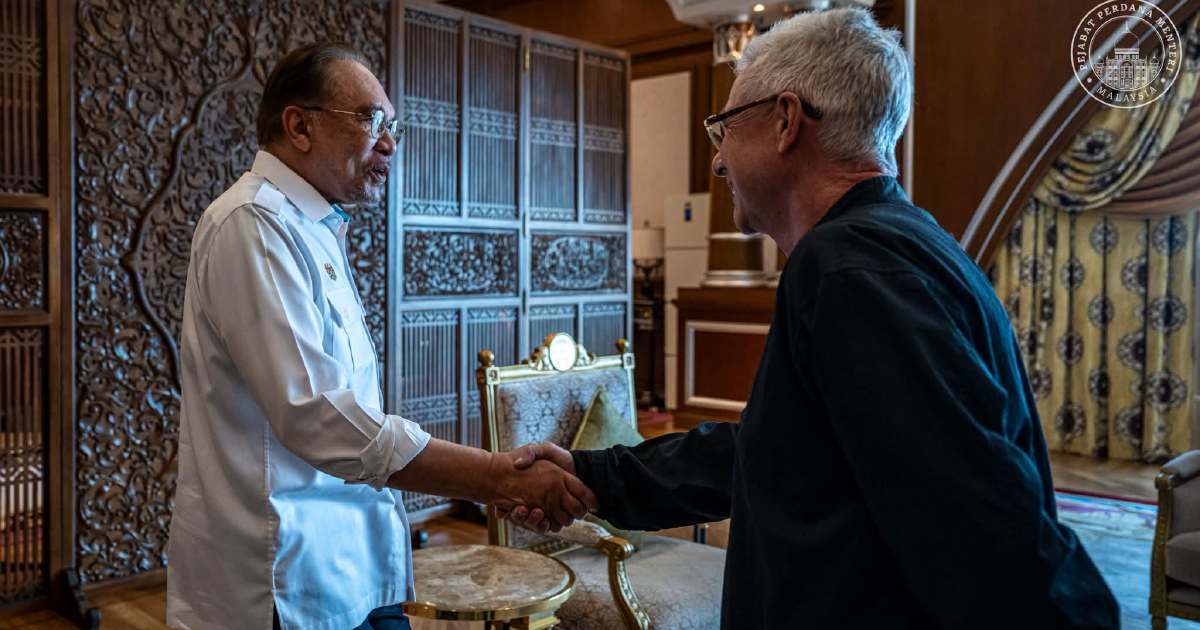
Prime Minister Datuk Seri Anwar Ibrahim held talks with Singapore Grand Prix executive director Michael Roche today, signalling Malaysia's intent to learn from one of Asia's most successful Formula 1 operations as the country prepares to host its own major motorsport event this October. The meeting, held in Kuala Lumpur, underscores the government's commitment to elevating Malaysia's standing in international sporting circles and ensuring the Formula 1 Gulf Air Bahrain Grand Prix at the Sepang International Circuit exceeds expectations.
The gathering between the two officials reflects a pragmatic approach to event management in the region. Singapore's Grand Prix, established in 2008 as the first-ever night race on the Formula 1 calendar, has become a model of logistical excellence and commercial success. By engaging directly with the architect of that operation, Malaysia's leadership is tapping into hard-won knowledge about the complex demands of hosting a world-class motorsport spectacle. Such inter-governmental collaboration on event management demonstrates how Southeast Asian nations can share expertise to strengthen their respective capabilities.
The timing of the meeting carries particular significance given Malaysia's substantial investment in motorsport infrastructure and its historical role as a Formula 1 venue. The Sepang International Circuit has hosted the Malaysian Grand Prix since 1999, accumulating decades of experience in race operations, spectator management, and international coordination. However, each iteration of the Grand Prix presents fresh challenges—from traffic management and security protocols to broadcast arrangements and hospitality provisions—making the exchange of current best practices invaluable.
Singapore's night race format has revolutionised how Formula 1 engages audiences across different time zones, particularly benefiting Asian and European viewers. The structural innovations that make this possible—from the unprecedented floodlighting system to the compression of the racing circuit into downtown streets—represent operational achievements that other venues can study and adapt. While Malaysia's October Grand Prix operates within a different geographical and urban context than Singapore's Marina Bay circuit, insights about crowd flow management, emergency protocols, and stakeholder coordination remain universally applicable.
Beyond the immediate logistics of hosting a successful race, the meeting signals Malaysia's broader aspiration to position itself as a premier sporting destination in Asia. In recent years, competing bids for major international events have intensified across the region, with venues in Japan, South Korea, Thailand, and Vietnam all seeking to attract prestigious sporting franchises. By demonstrating active engagement with international sporting bodies and other event organisers, Malaysia reinforces its credibility and operational capacity to future event partners.
The Formula 1 Gulf Air Bahrain Grand Prix name itself reflects the complexities of modern sports sponsorship and commercial relationships. Major races now function as platforms for multiple corporate interests—from title sponsors to broadcast partners—each with distinct requirements and expectations. Learning how Singapore manages these multifaceted relationships could prove crucial to Malaysia's commercial success, ensuring the event delivers returns not only for the sport's governing body but for the host nation's economy.
From a domestic perspective, hosting a successful Grand Prix carries substantial implications for Malaysian tourism, employment, and international brand perception. Hotels, restaurants, transportation services, and ancillary businesses generate significant revenue during the racing period. More importantly, the global media attention surrounding Formula 1 provides Malaysia with unprecedented exposure to audiences numbering in the hundreds of millions. A flawlessly executed event enhances the nation's reputation for competent administration and strategic planning.
The consultation also reflects growing recognition that hosting major sporting events requires integration across multiple governmental agencies. Traffic authorities, law enforcement, environmental regulators, health services, and countless other bodies must coordinate seamlessly. Singapore's night race operates amid complex urban constraints, and the solutions developed there—from traffic diversion protocols to crowd management systems—offer tested templates that Malaysian planners can evaluate and adapt.
Technologically, too, the exchange likely covered innovations that have emerged since Malaysia last hosted a Formula 1 championship race. Modern Grand Prix organisation now incorporates digital ticketing systems, real-time crowd monitoring through mobile connectivity, enhanced broadcast capabilities including virtual reality experiences, and sophisticated security screening. Staying abreast of these evolving standards ensures Malaysia remains competitive with other global racing venues.
The meeting also carries symbolic weight in terms of regional cooperation. Rather than viewing Singapore as a competing destination, Malaysia's willingness to engage constructively demonstrates maturity in handling regional sporting infrastructure. This collaborative approach can only benefit motorsport enthusiasts across Southeast Asia, as knowledge sharing ultimately elevates standards throughout the region, attracting bigger budgets, better teams, and more prestigious events.
Looking ahead to October, all eyes will be on how effectively Malaysia translates these discussions into operational excellence. The Formula 1 Gulf Air Bahrain Grand Prix will represent not merely a single racing event, but a showcase of Malaysia's capacity to manage world-class sporting spectacles. Should the event succeed, it could position the nation for future bids on other major international competitions, from athletics championships to continental sporting games.

