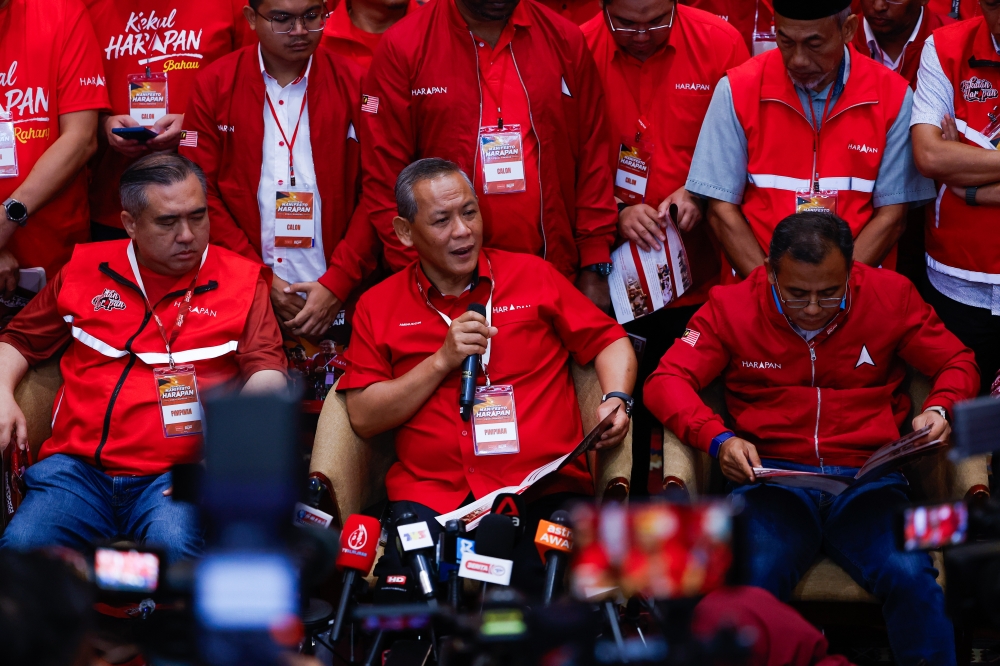
Prime Minister Datuk Seri Anwar Ibrahim will bring his political star power to Negeri Sembilan this Wednesday, according to Seremban Member of Parliament Aminuddin Harun, underscoring Pakatan Harapan's determination to consolidate support in a state that remains central to Malaysia's shifting political landscape. The announcement comes as the ruling coalition intensifies its grassroots mobilisation efforts across key constituencies, reflecting the high stakes involved in maintaining its parliamentary majority and state-level influence in an increasingly competitive electoral environment.
Aminuddin's confirmation of the Prime Minister's visit signals that Pakatan Harapan views Negeri Sembilan as a critical battleground where senior party leadership presence can mobilise voters and energise party machinery. Negeri Sembilan has historically been a swing state with no single dominant political force, making it strategically important for any coalition seeking to build or consolidate power at the federal level. The state's electoral dynamics have shifted considerably since the 2022 general election, with various parties competing for dominance within its nine state assembly constituencies.
The timing of Anwar's campaign visit carries significance beyond immediate electoral considerations. By personally engaging with voters in Negeri Sembilan, the Prime Minister demonstrates that Pakatan Harapan leadership takes the state seriously and is willing to invest high-profile attention in securing its support. This hands-on approach contrasts with previous electoral cycles where federal leaders sometimes appeared distant from state-level contests. For a coalition that relies heavily on Anwar's personal political brand and communication skills, such direct engagement helps maintain momentum and demonstrates commitment to communities beyond the capital.
Negeri Sembilan's political composition presents distinct challenges for Pakatan Harapan. The state encompasses urban centres like Seremban alongside rural constituencies with different voter priorities and demographic profiles. Anwar's campaign visit will likely target multiple constituencies, allowing him to address both urban voter concerns about economic management and rural communities' focus on agricultural support and infrastructure development. This geographical diversity requires tailored messaging that resonates across the state's varied electorate.
The coalition's campaign strategy in Negeri Sembilan reflects broader patterns within Malaysian politics where federal and state elections have become increasingly interconnected. Strong state-level performance strengthens a federal government's legislative position and provides platforms for implementing national policies. Conversely, voters often use state elections to send signals about satisfaction or dissatisfaction with federal governance, making Negeri Sembilan's support crucial for Pakatan Harapan's overall political health.
Aminuddin's role as the local Member of Parliament makes his coordination of the Prime Minister's visit particularly significant. As Seremban MP, he functions as a bridge between federal leadership and state constituencies, wielding considerable influence over how the campaign unfolds at ground level. His public announcement of Anwar's attendance also serves a secondary purpose of demonstrating his own standing within the coalition hierarchy and his ability to deliver high-profile support to his constituents.
The campaign visit occurs amid broader discussions within Malaysian politics about coalitional arrangements and electoral readiness. Pakatan Harapan's composition continues to evolve, with periodic tensions between member parties requiring skillful management. Anwar's personal intervention in state campaigns helps reinforce coalition unity by projecting an image of a cohesive, forward-looking partnership united behind shared electoral objectives and policy platforms.
For Malaysian voters monitoring political developments, Anwar's Negeri Sembilan campaign appearance offers opportunities to engage directly with federal leadership on issues affecting their daily lives. Prime ministerial campaign visits typically provide platforms for discussing economic policy, cost-of-living concerns, job creation, and development priorities that resonate strongly with voters across economic strata. In Negeri Sembilan specifically, questions about attracting industrial investment, developing small and medium enterprises, and improving rural healthcare and education services often dominate local political discourse.
The broader Southeast Asian context adds another layer of significance to Pakatan Harapan's electoral positioning. Malaysia's political stability influences regional assessments of Southeast Asian governance trends, with coalition stability and electoral legitimacy contributing to perceptions of institutional strength. Strong electoral performance in states like Negeri Sembilan strengthens the federal government's regional diplomatic standing and policy influence within ASEAN forums.
From a regional perspective, Malaysian electoral contests increasingly attract international observation as indicators of democratic health and institutional resilience. Campaigns like Pakatan Harapan's Negeri Sembilan push generate interest beyond Malaysia's borders, with regional media monitoring electoral trends and political party dynamics. Anwar's personal campaign participation thus carries implications extending beyond domestic political competition to encompass Malaysia's international reputation as a functioning multi-party democracy with regular electoral contests.
The practical dimensions of campaign organisation in Negeri Sembilan require substantial coordination across multiple party structures, volunteer networks, and logistical operations. Aminuddin's role in confirming and facilitating the Prime Minister's visit illustrates the complexity of modern Malaysian electoral campaigns, which combine grassroots mobilisation with high-profile leadership appearances, digital media strategies, and localised policy messaging designed to address specific community needs and concerns.
Moving forward, Pakatan Harapan's performance in upcoming electoral contests within Negeri Sembilan will provide important signals about voter sentiment and coalition strength. Campaign visits by senior leadership like Anwar contribute to building momentum and public attention, but ultimately translate into electoral success only when combined with effective local party organisation, compelling policy platforms, and genuine responsiveness to constituent concerns. The Prime Minister's Wednesday campaign appearance thus represents one element within a comprehensive electoral strategy aimed at securing voter confidence and maintaining Pakatan Harapan's political position.

