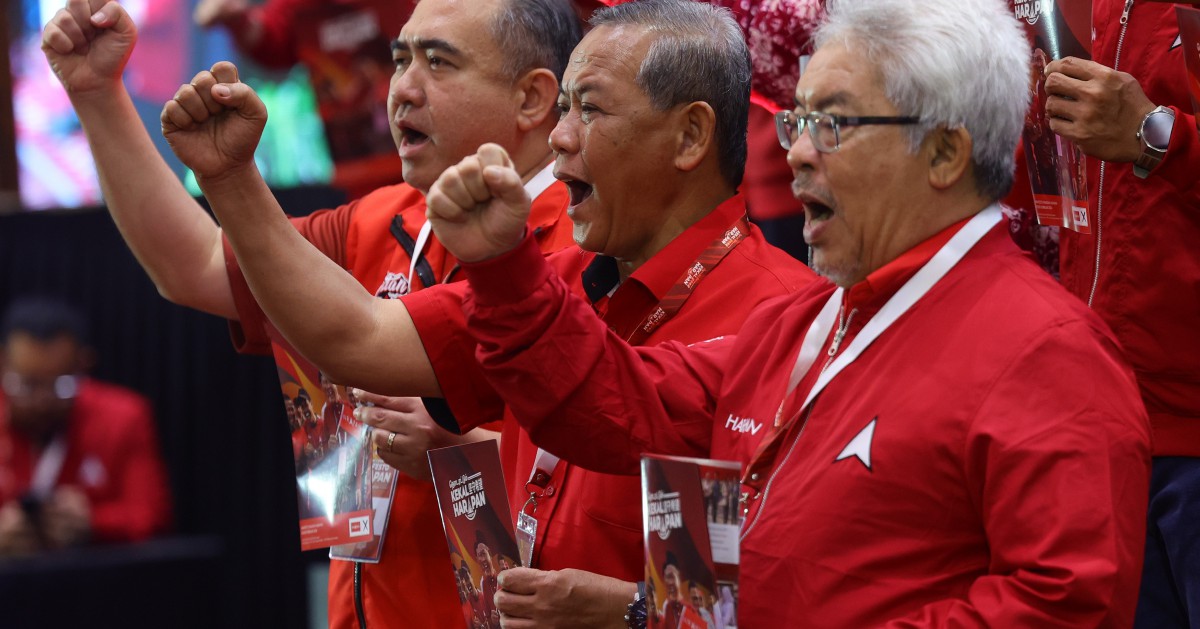
Prime Minister Datuk Seri Anwar Ibrahim will throw his weight behind Pakatan Harapan's campaign efforts in Negri Sembilan on Wednesday, underscoring the coalition's determination to make gains in what promises to be a closely contested state election. His participation marks a significant commitment of political capital to the peninsular state, where demographic shifts and shifting electoral alliances could reshape the political landscape.
As chairman of Pakatan Harapan, Anwar's presence on the campaign trail carries symbolic and practical weight. His direct engagement with voters and grassroots operatives signals that the coalition is mobilising its senior leadership to secure support across different voter demographics, from urban professionals to rural communities. The timing of his Wednesday appearance suggests the coalition has identified Negri Sembilan as a battleground where the outcome remains uncertain and where a concentrated effort could yield meaningful electoral dividends.
Negri Sembilan occupies a unique position within Malaysia's electoral architecture. The state's parliament comprises 36 seats, making it a medium-sized legislature that can influence the broader political narrative. Control of the state government carries implications beyond its boundaries, affecting the balance of power within the Klang Valley region and providing a platform for either consolidating or challenging existing federal arrangements. For Pakatan Harapan, success in Negri Sembilan would strengthen its position ahead of any future national political developments.
Anwar's campaign engagement reflects the coalition's multi-pronged strategy to consolidate support among its traditional constituencies while attempting to expand appeal to swing voters. His public appearances typically emphasise themes of economic development, governance reform, and social equity—messaging designed to resonate with both urban voters concerned about institutional integrity and rural communities seeking improved services and livelihood opportunities. The coalition recognises that state-level campaigns provide crucial opportunities to test messaging and mobilise party machinery.
The Negri Sembilan contest occurs within a broader context of state-level political activity across Malaysia. Recent months have witnessed intense electoral competition as various coalitions jockey for position, and the state's outcome will be scrutinised for indications about voter sentiment and coalition strength. Political analysts view state elections as important laboratories for understanding electoral dynamics and testing the durability of current political arrangements.
Pakatan Harapan's coalition partners will likely coordinate their campaign efforts with the Prime Minister's participation, ensuring that his visit amplifies broader messaging rather than overshadowing other party leaders. The coalition's structure—comprising PKR, DAP, and Amanah—requires careful coordination to present a unified front while respecting each component party's organisational autonomy and electoral interests. Anwar's intervention helps orchestrate this coordination at the highest political level.
For voters in Negri Sembilan, the Prime Minister's appearance provides direct access to national leadership and an opportunity to evaluate his administration's priorities. His stump speeches typically reference federal government achievements while outlining a vision for continued development and institutional reform. These messages carry particular resonance in state elections, where voters are frequently reminded of the interconnections between state governance and federal policy frameworks.
The campaign environment in Negri Sembilan reflects broader trends affecting Malaysian politics: generational shifts in voter preferences, urbanisation pressures, and evolving expectations regarding governance standards and accountability. Younger voters increasingly demand transparency and performance-based evaluation rather than traditional party loyalty, while established communities retain stronger ties to incumbency and established political organisations. Successfully navigating these competing demands requires sophisticated campaigning that Anwar's participation is designed to facilitate.
Opposition parties will inevitably scrutinise Anwar's campaign activities and messaging, using his statements as touchstones for their own counter-arguments. The electoral contest thus becomes a conversation about competing visions for state development and governance priorities. Campaign intensity typically accelerates as election day approaches, with multiple candidates and party officials traversing constituencies to mobilise supporters and persuade undecided voters.
Anwar's Wednesday campaign engagement in Negri Sembilan demonstrates that Pakatan Harapan views the state as strategically important and winnable. His direct involvement signals confidence in the coalition's capabilities and a determination to maximise voter turnout and support among target demographics. The visit will likely generate media attention that amplifies the coalition's campaign messaging beyond those who attend public events, extending the Prime Minister's influence across multiple communication channels.
Looking forward, the Negri Sembilan election will provide early indicators of electoral momentum and voter sentiment regarding national political directions. Results could influence strategies for forthcoming electoral contests and shape perceptions of Pakatan Harapan's governing strength. Anwar's campaign presence acknowledges these stakes while reaffirming his role as the coalition's principal political strategist and primary spokesperson for its policy agenda.

