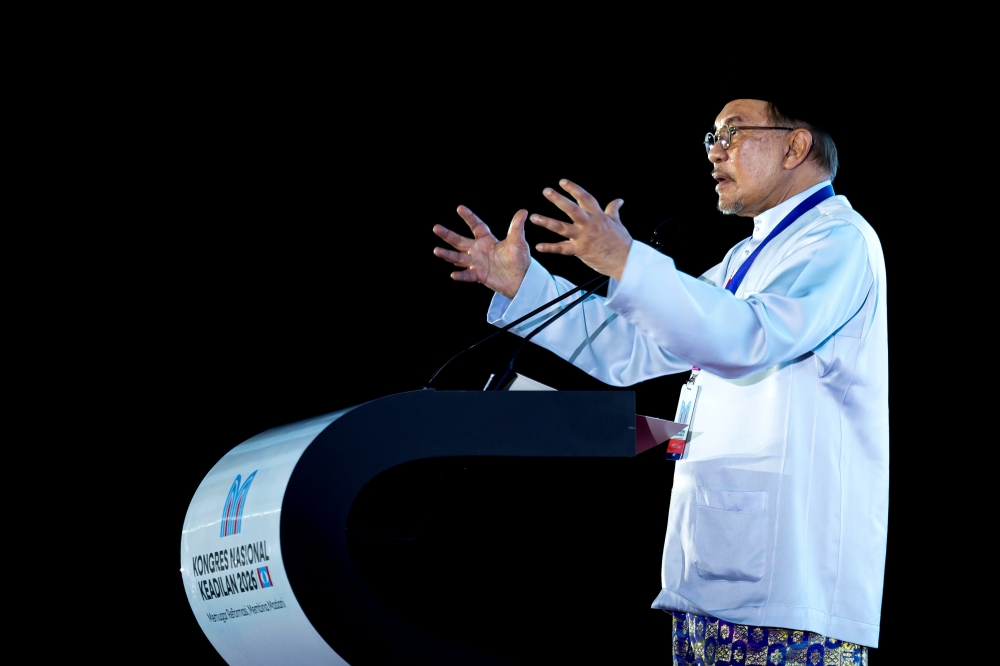
Prime Minister Datuk Seri Anwar Ibrahim has signalled that the government will roll out a series of significant policy modifications in the coming weeks, with the initial batch of announcements scheduled to commence on Monday. Speaking in Melaka, the Prime Minister conveyed that these forthcoming changes address pressing governance and economic concerns that require immediate attention before the 2027 Budget is finalised and presented to Parliament.
The timing of these announcements carries considerable weight within Malaysia's political calendar. By introducing key policy shifts prior to the 2027 Budget presentation, the government aims to establish the framework within which next year's fiscal plan will operate. This sequencing allows the budget to incorporate and reflect the implications of these structural changes, suggesting a coordinated approach to governance rather than piecemeal policy adjustments. For investors, businesses, and citizens alike, Monday's announcements will likely provide early indicators of the government's priorities and philosophical direction for the coming year.
Anwar's statement reflects broader concerns about the urgency of economic and administrative reforms. The Malaysian government has consistently faced pressure to improve efficiency, tackle inflation, and strengthen institutional frameworks. By framing these changes as urgent, the Prime Minister underscores the administration's assessment that delay is no longer tenable. This language also signals to international observers and credit rating agencies that the government recognises the need for decisive action, a message that can influence Malaysia's standing in global capital markets.
The upcoming announcements are expected to span multiple policy domains, though Anwar did not disclose specific details during his Melaka remarks. However, given the government's previous priorities, changes could potentially address areas including public service restructuring, fiscal consolidation measures, digital transformation initiatives, or adjustments to subsidies and social support programmes. Each of these areas has featured prominently in Cabinet discussions and public discourse over recent months, suggesting they remain high on the administrative agenda.
For Malaysian businesses and the workforce, the implications of Monday's announcements could be substantial. Policy changes announced before the budget typically signal where government resources will be directed and where private sector adjustment may be necessary. Small and medium enterprises, in particular, often look to such early signals to adjust their own planning and investment strategies. Similarly, employees across both public and private sectors will be monitoring announcements for any indications of changes affecting employment, wages, or working conditions.
The sequencing also reflects standard governmental practice in developed economies, where key policy reforms are announced in advance of budget presentations. This approach allows stakeholders time to digest changes, adjust expectations, and prepare responses. In Malaysia's context, where political consensus-building remains important, this phased approach gives coalition partners and opposition members opportunity to absorb and respond to proposals before the formal budget debate in Parliament.
Regionally, Malaysia's policy direction carries weight for Southeast Asian economies and ASEAN deliberations. As the regional economic hub and a significant player in ASEAN economic forums, changes to Malaysia's fiscal and economic policies can influence regional dynamics. Neighbouring countries closely monitor Malaysian policy shifts, particularly regarding trade, investment frameworks, and monetary policy coordination. The upcoming announcements may therefore resonate beyond Malaysia's borders, affecting how regional partners calibrate their own economic strategies.
Anwar's emphasis on urgency also suggests that the government is facing specific constraints or pressures that demand prompt action. These could include fiscal targets that require revenue enhancement or expenditure control, external economic headwinds affecting Malaysia's growth trajectory, or political imperatives stemming from coalition dynamics. The Prime Minister's choice to announce changes before rather than within the budget itself indicates a desire to establish clear narrative control and frame policy adjustments positively before opposition voices can shape the debate.
The Monday announcement represents a crucial moment for the government to articulate its vision for 2027 and beyond. How these changes are communicated, which stakeholders are consulted beforehand, and how the government frames the necessity of these shifts will all influence public reception and market reaction. Financial markets, in particular, tend to respond to policy announcements with some volatility, making the clarity and credibility of government messaging paramount.
For Malaysian households and consumers, pending announcements may affect purchasing power, access to subsidies, or changes to tax and duty structures. The government's track record on previous policy communications will influence how much confidence the public places in official explanations for these changes. Public messaging that emphasises shared sacrifice and long-term benefits tends to generate better acceptance than purely technocratic justifications, suggesting that how Anwar and his team frame these changes will matter as much as the substance of the policies themselves.
The timing before Parliament's budget session also provides the government opportunity to build momentum and establish political space for potential unpopular decisions. By controlling the narrative in the days before Monday, the administration can shape how both supportive and critical constituencies receive policy announcements. Opposition parties, meanwhile, will have time to develop counter-narratives and prepare parliamentary responses, ensuring that the 2027 Budget debate in the legislature reflects substantive engagement with the government's policy direction rather than reactive responses to surprises.
As Malaysia approaches this significant moment in its fiscal calendar, stakeholders across the economy await Monday's disclosures with considerable interest. The announcements will provide clarity on whether the government views 2027 as a year of consolidation or expansion, reform or continuity. For a nation navigating complex economic challenges while maintaining political coalition stability, the balance struck in these upcoming policy shifts may well define the government's trajectory for the remainder of its term.

