Prime Minister Datuk Seri Anwar Ibrahim will formally unveil Pakatan Harapan's lineup of candidates for the upcoming Negeri Sembilan state election during a public event scheduled for Tuesday, July 14, in Dataran Melang, Kuala Pilah. The announcement represents the culmination of weeks of internal negotiations and discussions within the ruling coalition as it prepares for what is shaping to be a closely watched electoral contest in the central Malaysian state.
Negeri Sembilan PKR chairman Datuk Seri Aminuddin Harun confirmed the timing and venue for the candidate announcement, emphasising that the coalition has completed its selection process and formally submitted the approved names to relevant party leadership. The revelation comes as political observers track how Pakatan Harapan navigates the delicate balance of seat distribution among its component parties, particularly as Anwar consolidates his position following his appointment as Prime Minister.
The coalition's internal structure for contesting the 36 available state seats has already been settled. PKR, the party of Anwar himself, will field candidates in 16 seats, while the Democratic Action Party will contest 11 constituencies. Amanah, the smaller Islamist component of the alliance, will represent the coalition in the remaining nine seats. This arrangement reflects both the parties' relative strengths within the coalition and their geographic influence across different regions of Negeri Sembilan.
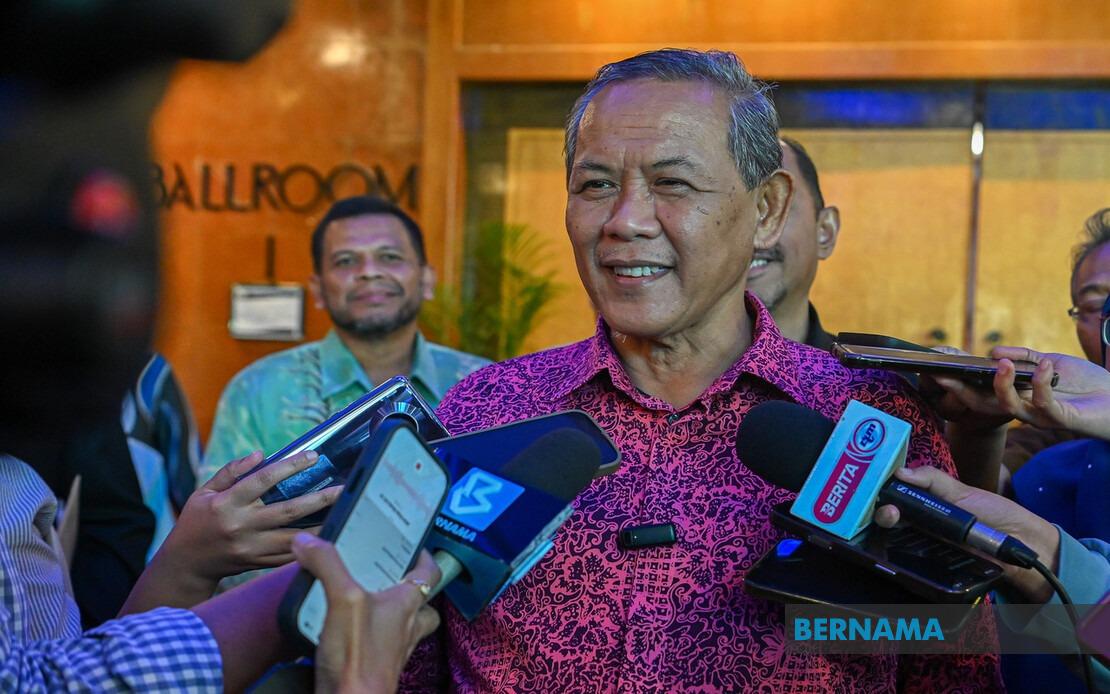
Despite mounting speculation about his own electoral intentions, Aminuddin declined to discuss whether he would contest the Linggi state seat as the incumbent representative from Sikamat. His measured response during a media engagement suggested either genuine uncertainty about his candidacy or a deliberate strategy to build anticipation ahead of the official announcement. The Menteri Besar's apparent reluctance to confirm his participation has generated considerable interest among political analysts and party members alike, particularly given his dual role as a state administrator and PKR leader.
Aminuddin used the occasion of distributing special grants to 342 Rukun Tetangga units across Negeri Sembilan—totalling RM342,000 in allocations—to signal that party focus should remain fixed on campaign preparation rather than speculation about candidate selections. His emphasis on unity and victory suggests that party leadership is keen to present a cohesive front as the campaign period begins, recognising that internal divisions or perceived unfairness in candidate selection could undermine electoral prospects.
The electoral timeline is now clearly defined. The Election Commission has designated August 1 as polling day, providing campaigners with a compressed timeframe of roughly two weeks from the candidate announcement to election day. Nomination day has been fixed for July 18, giving candidates just four days after the announcement to complete registration formalities. Early voting will occur on July 28, introducing an additional variable into campaign calculations as parties assess turnout patterns among those casting ballots ahead of the general election.
For Pakatan Harapan, the Negeri Sembilan contest carries symbolic importance beyond the state itself. The coalition's performance in this state election will serve as an early indicator of voter sentiment following Anwar's ascension to the highest executive office and his government's initial policy implementations. Economic challenges, cost-of-living pressures, and the effectiveness of early government initiatives will likely feature prominently in campaign messaging across all parties contesting the election.
The announcement ceremony's location in Kuala Pilah, a district town rather than the state capital Seremban, may reflect strategic political considerations about venue symbolism or grassroots engagement. Anwar's personal presence at the candidate unveiling underscores the significance the federal government and Pakatan Harapan place on this state election. His involvement also demonstrates how presidential-style politics has increasingly characterised Malaysian elections, with prime ministers becoming central figures in state-level campaigns.
For Malaysian voters in Negeri Sembilan and observers across Southeast Asia, the upcoming election represents a significant test of the stability and coherence of Anwar's governing coalition. The speed with which parties agreed on seat allocations and candidate selections will be interpreted as reflecting either strong internal discipline or preliminary cracks in the alliance's foundations. How the coalition performs in translating its negotiated candidate list into actual electoral victory could influence calculations within the broader Malaysian political landscape and potentially affect the government's ability to manage subsequent state elections scheduled in other jurisdictions.

