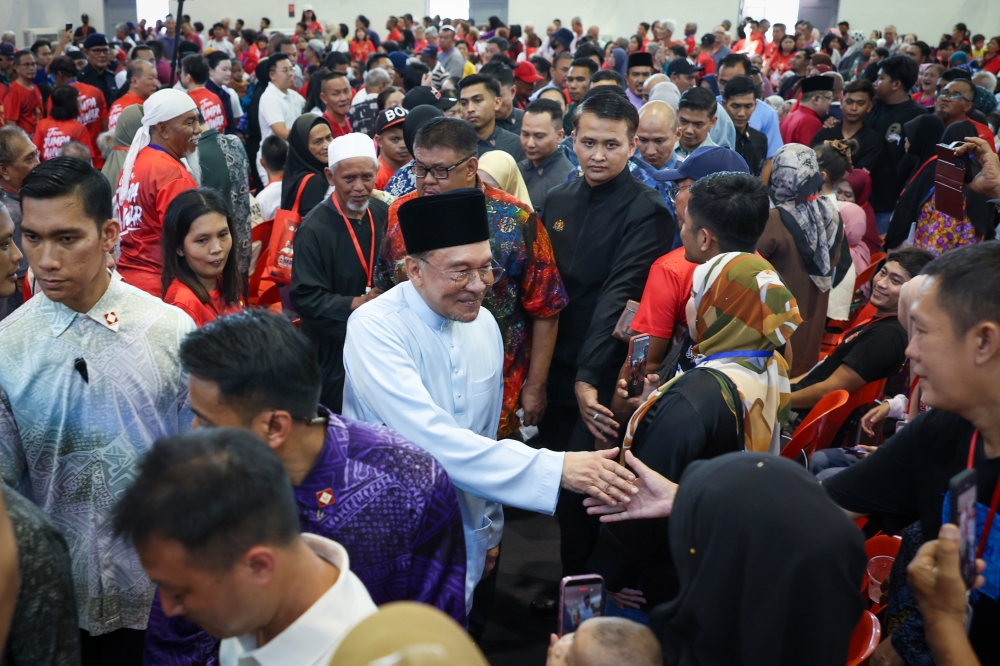
Prime Minister Datuk Seri Anwar Ibrahim has entered a scheduled period of medical evaluation and specialist observation lasting two days, according to confirmation from the Prime Minister's Office in Petaling Jaya. The assessment represents a continuation of established health monitoring protocols that form part of standard practice for individuals holding the highest executive office in the nation.
The timing of the medical checks underscores the importance placed on maintaining comprehensive health records for the Prime Minister, given the demanding nature of Malaysia's top political position. Such evaluations typically involve multiple medical disciplines and are conducted by senior specialists to ensure thorough assessment of various physiological systems. The two-day observation period allows healthcare professionals to conduct extensive testing and monitoring in a controlled environment.
For Malaysian citizens and regional observers alike, transparency regarding the health status of sitting Prime Ministers carries significant weight. Public confidence in leadership depends partly on assurance that the nation's chief executive maintains adequate physical capacity to discharge the substantial responsibilities of office. The PMO's willingness to publicly acknowledge this medical engagement demonstrates a commitment to keeping the public informed about matters affecting continuity and stability in governance.
The nature of Malaysia's political landscape, where the Prime Minister functions as both head of government and leader of the ruling coalition, means that any extended health concerns could potentially trigger broader constitutional and parliamentary implications. Regular medical assessments serve as preventative measures, allowing early identification of any health issues that might affect the Prime Minister's ability to perform official duties effectively. This proactive approach reflects international best practices adopted by democratic governments worldwide.
Anwar Ibrahim's tenure as Prime Minister has encompassed significant policy initiatives and complex diplomatic engagements throughout the region. The demanding calendar of state visits, parliamentary sessions, cabinet meetings, and economic policy decisions requires sustained physical and mental stamina. The specialist observation period therefore represents a practical investment in sustaining the Prime Minister's capacity to navigate these multifaceted responsibilities.
From a regional perspective, Malaysia's political stability remains closely watched by investors, trade partners, and neighbouring governments throughout Southeast Asia. Routine health monitoring of senior political figures contributes to the broader climate of institutional confidence that supports economic planning and regional cooperation initiatives. Countries engaged in bilateral relationships or multilateral arrangements with Malaysia benefit from clarity about their counterparts' ability to honour commitments and participate in ongoing negotiations.
The existence of formal health assessment protocols for Prime Ministers reflects evolved governance standards in modern Malaysia. These procedures ensure that objective medical data informs any decisions regarding the Prime Minister's ability to continue in office, removing subjective elements that might otherwise cloud judgement. Such frameworks align Malaysia with international norms governing executive health disclosure in constitutional democracies.
The medical evaluation also highlights the resource infrastructure available within Malaysia's healthcare system for specialist assessment at the highest levels. The capacity to conduct comprehensive observation and testing demonstrates the sophistication of domestic medical expertise and facilities. This infrastructure supports not only government leadership but represents an investment in national health security more broadly.
Public acknowledgement of routine medical checks normalizes health monitoring for the general population. When senior leaders openly undergo specialist assessment, it reinforces social understanding that regular health evaluations constitute sensible personal management rather than indicators of serious illness. This cultural messaging supports broader public health objectives regarding preventative medicine and early screening.
The two-day timeframe for specialist observation suggests a thorough rather than emergency-driven assessment. Such comprehensive evaluation allows medical teams to establish baseline data, conduct specialized testing, and produce detailed health profiles. The structured nature of the process indicates standard procedure rather than response to acute health concerns.
Government continuity planning benefits from regular health monitoring of the Prime Minister and other senior officials. Medical assessments provide data that inform succession planning and contingency arrangements, ensuring that Malaysia maintains uninterrupted executive function regardless of unforeseen circumstances. This institutional approach to health management strengthens overall governance resilience.
The confirmation from the Prime Minister's Office regarding these medical checks exemplifies the balance between privacy and transparency expected of modern democratic governments. Citizens deserve sufficient information to maintain confidence in their leadership, while respecting the personal medical privacy to which all individuals are entitled. The PMO's disclosure demonstrates this equilibrium.

