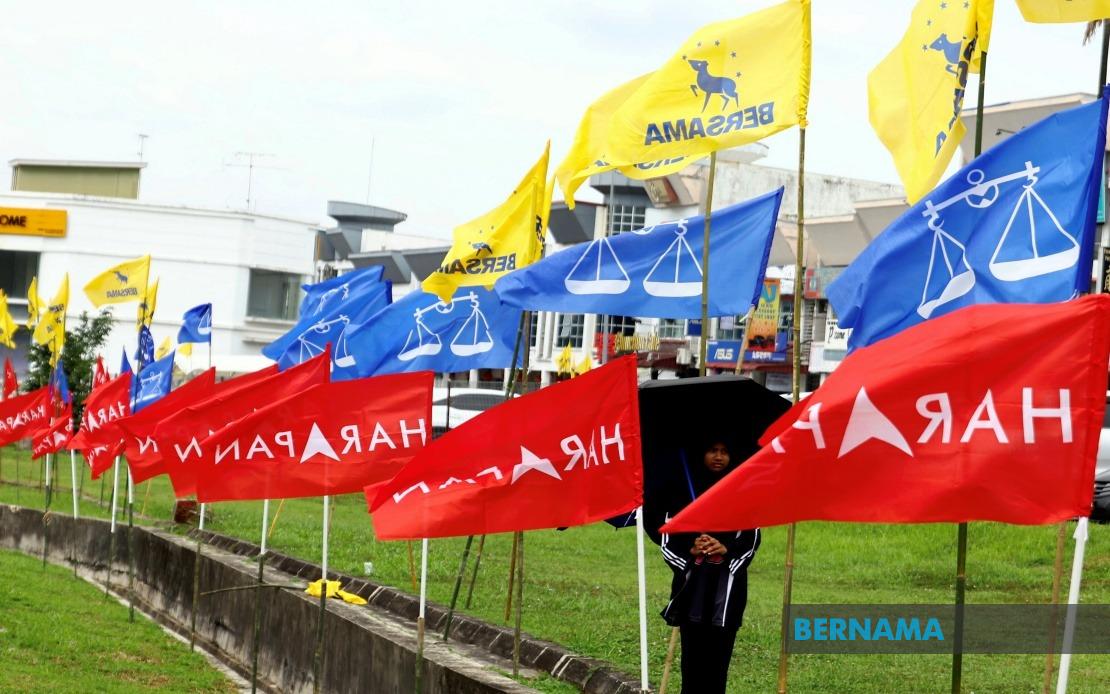
Prime Minister Datuk Seri Anwar Ibrahim launched a direct appeal to voters in Johor on Friday, urging them to support Pakatan Harapan (PH) as the state heads toward its 16th general election on Saturday. Speaking as PH chairman, Anwar framed the upcoming ballot as a pivotal moment for the southern state, positioning the coalition as a force committed to advancing Johor's development and protecting residents' interests should voters grant them the opportunity to govern.
With only days remaining before Johor's 3.5 million registered voters head to the polls, Anwar's intervention reflects the high stakes surrounding the election. The coalition faces a critical test of its viability at the state level, where it seeks to demonstrate electoral strength beyond federal politics. His Facebook post, released on Tuesday, was calibrated to resonate with Johor's residents by emphasising continuity and progressive governance rather than confrontational messaging.
In his public statement, Anwar pledged that a PH state government would dedicate itself to advancing Johor's progress while ensuring that economic and social gains benefit all segments of society. He stressed that the coalition understood the state's unique challenges and development priorities, positioning PH as a custodian of Johor's long-term interests. This messaging strategy seeks to counteract perceptions that PH may be unfamiliar with managing Johor's specific needs or that the party lacks genuine commitment to the state's welfare.
Beyond conventional campaigning, Anwar deployed cultural and linguistic symbolism to connect with voters on an emotional level. He posted a traditional pantun—a classical Malay poetic form—that encouraged Johor-born residents living elsewhere to return home and participate in the democratic process. The verse, with its references to Laksa Johor and ancestral heritage, was designed to stir nostalgia and civic duty simultaneously, framing the election as not merely a political exercise but as a matter of collective responsibility for the state's future.
Anwar's specific call for diaspora voters to return home reflects demographic realities in Johor, where significant populations have migrated to Kuala Lumpur, Selangor, and overseas for economic opportunities. By appealing to this constituency, PH aims to mobilise an electorate that might otherwise not participate, potentially shifting vote dynamics in close contests. Such voters often bring progressive perspectives shaped by exposure to different political environments, potentially benefiting PH's campaign narrative.
The 16th Johor state election features 172 candidates competing across 56 state seats, a structure that creates varied competitive dynamics across urban, suburban, and rural constituencies. The distribution of seats means that outcomes in Johor Bahru, Kluang, and other key population centres will substantially determine the overall result. PH's performance here will carry implications for the coalition's momentum heading into any future federal elections, given Johor's status as Malaysia's second-largest state by population.
Anwar's campaigning reflects PH's recognition that securing Johor would represent a significant political victory, validating the coalition's capacity to govern beyond Selangor and Penang. Conversely, a weak showing would signal continuing challenges in penetrating traditional BN strongholds and would likely embolden critics questioning PH's national appeal. The state remains culturally and politically significant, with deep historical ties to the monarchy and conventional Malay-Muslim conservatism that has traditionally favoured established parties.
The timing of Anwar's appeals—released in the final week before voting—suggests campaign strategists believed the momentum-building phase required leadership visibility and personal endorsement. A prime minister's direct engagement in state-level campaigning carries particular weight in Malaysian politics, where federal authority and national prominence influence local electoral considerations. Anwar's involvement signals that PH considers this election consequential enough to warrant his personal investment.
For Malaysian readers and regional observers, the Johor election outcome will serve as a barometer of PH's electoral resilience and organisational effectiveness. Should the coalition perform strongly, it would suggest that anti-incumbency, economic grievances, or other factors favour PH beyond traditional bases. Conversely, a BN-led state retention would indicate that PH faces structural limitations in appealing to voters in more conservative regions, potentially reshaping calculations about Malaysia's political trajectory through 2025 and beyond.

