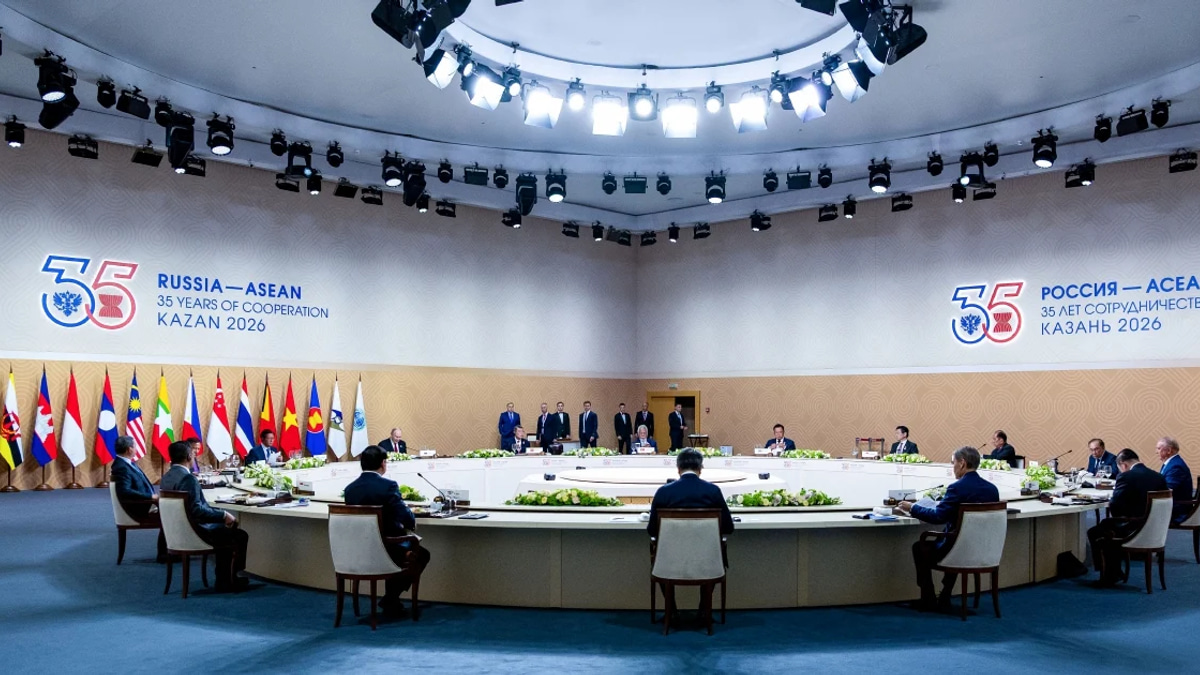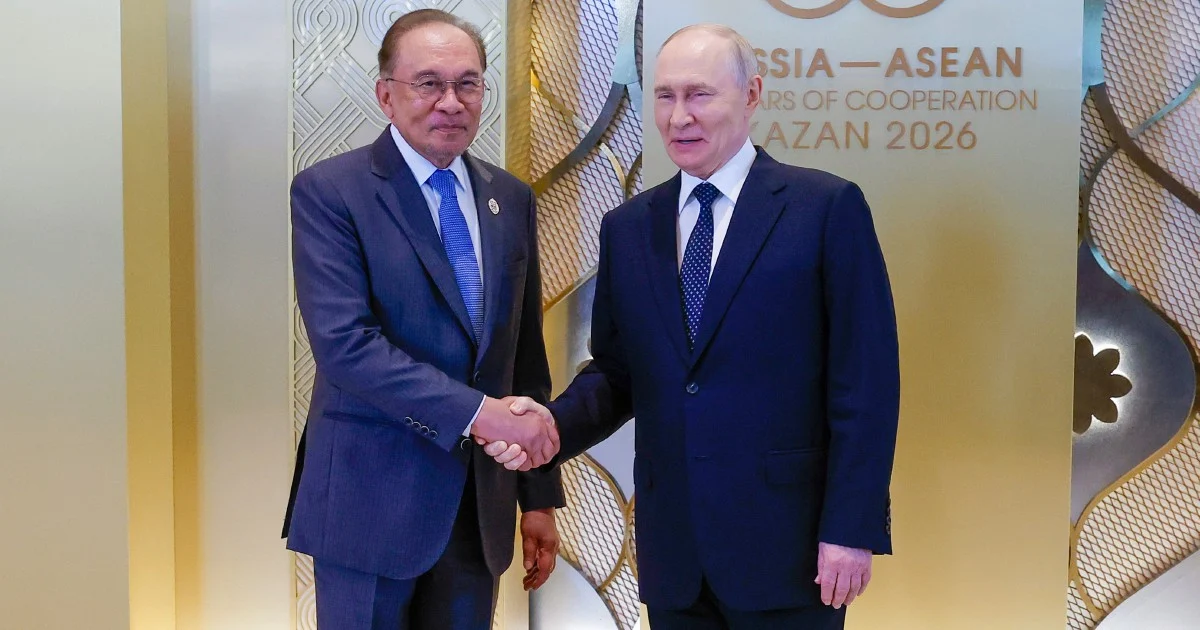
Prime Minister Datuk Seri Anwar Ibrahim's recent official visits to Russia and Turkmenistan have delivered tangible progress on Malaysia's most pressing energy challenge: securing reliable, long-term hydrocarbon supplies in an increasingly volatile global market. BRICS International Malaysia has highlighted the significance of these diplomatic engagements, noting that the outcomes represent a meaningful advancement of bilateral cooperation in sectors critical to the nation's economic survival. The twin missions underscore the government's recognition that energy security cannot be taken for granted and must be pursued through active, high-level diplomacy with major producing nations.
Malaysia's energy landscape has undergone dramatic transformation over the past decade. Domestic oil and gas production has declined as ageing fields mature, forcing the country to shift from being a net exporter to an increasingly import-dependent economy. This transition creates vulnerability to price shocks and supply disruptions, particularly given Malaysia's reliance on energy-intensive industries and the growing electricity demands of a modernising economy. The prime minister's engagement with Russia and Turkmenistan reflects an understanding that Malaysia cannot afford to be passive about these trends. Rather than waiting for international markets to dictate terms, the government is actively cultivating relationships with significant hydrocarbon producers who can provide stable, predictable supplies over decades.
Russia represents a particularly strategic partner for Malaysia's energy ambitions. Despite Western sanctions and geopolitical tensions, Russia remains one of the world's largest oil and liquefied natural gas producers, with substantial reserves and the infrastructure to maintain consistent export volumes. For Malaysia, developing closer ties with Moscow offers access to diverse energy sources outside the traditional Middle Eastern supply networks that have historically dominated the region's energy imports. This geographical and geopolitical diversification is not merely pragmatic; it is essential for insulating Malaysia from regional crises or disruptions that might simultaneously affect multiple Middle Eastern suppliers.
Turkmenistan's role in Malaysia's energy strategy deserves equally careful attention. The Central Asian nation sits atop vast natural gas reserves, some estimates placing it among the world's top ten, yet it remains dramatically underutilised due to limited export infrastructure and geopolitical constraints. Turkmenistan's landlocked position has historically restricted its ability to reach maritime markets, but improved transportation networks and greater international engagement now create realistic pathways for Turkmen gas to reach Southeast Asian buyers. For Malaysia, accessing Turkmen supplies could provide the long-duration, secure contracts necessary for powering major industrial projects and electricity generation facilities decades into the future.
The timing of these visits carries particular significance given Malaysia's broader strategic positioning within global energy markets. The country faces competing pressures to transition toward cleaner energy sources while simultaneously maintaining affordable electricity and fuel for industries and households. Natural gas, often termed the transition fuel, plays a crucial bridging role in this balancing act—it produces substantially lower emissions than coal yet provides the reliable baseload power that renewable sources cannot consistently supply. Securing additional gas imports from Russia and Turkmenistan therefore serves multiple policy objectives: it enhances energy security, supports industrial competitiveness, and provides breathing room for Malaysia to develop renewable energy infrastructure without forcing abrupt, economically damaging transitions.
Beyond raw energy supply, the diplomatic missions signal Malaysia's intention to position itself as a serious player in Central Asian affairs and broader Eurasian geopolitics. BRICS International Malaysia's endorsement of the prime minister's outreach suggests that business and policy circles recognise these visits as part of a coherent strategy to elevate Malaysia's status in global energy markets. By engaging directly with major producers, Malaysia demonstrates that it is not a passive consumer but an active negotiator capable of structuring mutually beneficial long-term partnerships. This positioning has dividends beyond energy: it enhances Malaysia's influence in regional forums and improves its standing among major powers seeking to maintain balanced, non-aligned partnerships across Asia.
The oil and gas sector remains a linchpin of Malaysia's economy, generating substantial government revenue and supporting hundreds of thousands of direct and indirect jobs. Yet the sector faces existential pressures from declining domestic production, environmental scrutiny, and global energy transition momentum. Strategic partnerships with Russia and Turkmenistan provide crucial relief from these pressures by expanding the geographic and temporal reach of Malaysia's energy supply base. Rather than relying on spot market purchases or short-term contracts, long-term bilateral arrangements with major producers offer price predictability and supply certainty—commodities far more valuable to industrial planners and government budgets than the marginal cost savings of arm's-length transactions.
The Southeast Asian context amplifies the importance of these Central Asian partnerships. The region's rapid economic growth and industrialisation are driving energy demand upward sharply, yet many Southeast Asian nations face similar challenges to Malaysia: declining domestic production and heavy reliance on imports. Malaysia's success in negotiating preferential access to Russian and Turkmen supplies could influence regional energy balances and establish the country as a potential hub for onward distribution of Central Asian energy to neighbouring economies. This role would generate additional economic value through trading, shipping, storage, and related services while strengthening Malaysia's strategic importance to both supplier and consumer nations.
Geopolitical realities complicate but do not diminish the value of these partnerships. Russia faces substantial Western sanctions, creating both risks and opportunities for Asian partners willing to maintain engagement. By carefully calibrating its approach—pursuing energy cooperation while avoiding alignment in broader geopolitical conflicts—Malaysia can benefit from Russia's need for reliable Asian customers while preserving its diplomatic flexibility and non-aligned status. Turkmenistan, by contrast, operates with greater freedom from great power competition, though its own complex regional relationships require nuanced diplomacy. The prime minister's visits demonstrate Malaysia's capacity to navigate these complexities with sophistication and pragmatism.
Looking forward, the concrete outcome of these missions will be measured in signed contracts, committed volumes, agreed-upon pricing mechanisms, and delivery timelines. Energy partnerships require binding legal frameworks and genuine commitment from both parties. BRICS International Malaysia's public support suggests confidence that the prime minister's delegations have moved beyond diplomatic pleasantries toward substantive negotiations. Whether these missions ultimately produce major new supply agreements remains to be seen, but the strategic direction is unmistakable: Malaysia is actively reshaping its energy portfolio toward greater resilience, diversification, and independence from traditional Middle Eastern sources.
For Malaysian policymakers and industry observers, the significance of these visits extends beyond immediate energy economics. They represent a practical acknowledgment that Malaysia's development trajectory depends on securing adequate, affordable energy for the foreseeable future—and that achieving this goal requires engaging directly with the world's major producers, even those operating in complex geopolitical environments. As Malaysia navigates the energy transition and manages industrial transformation, partnerships with Russia and Turkmenistan provide valuable insurance against supply shocks and price volatility. The prime minister's diplomacy reflects a mature, pragmatic approach to the country's most fundamental economic challenge.