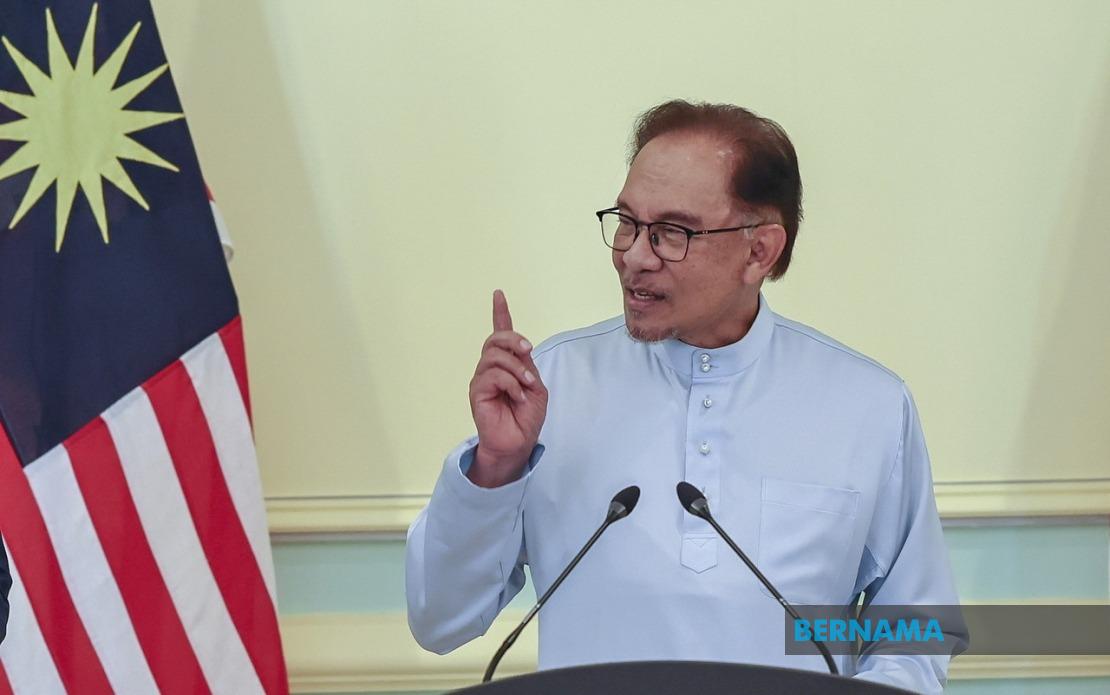
Prime Minister Datuk Seri Anwar Ibrahim's handling of the escalating humanitarian catastrophe in Gaza represents a carefully calibrated diplomatic strategy that merits international recognition for its integration of moral conviction, legal accountability, and concrete assistance, according to Universiti Pertahanan Nasional Malaysia's Honorary Professor Dr Mizan Aslam. The approach signals that Malaysia is pursuing neither empty rhetoric nor isolationist withdrawal, but instead actively positioning itself as a consequential voice for civilian protection and international accountability.
The scale of human suffering in Gaza has transformed what began as a regional conflict into a broader test of global institutional competence. After more than 1,000 days of warfare, the territory has absorbed losses that extend far beyond immediate combat deaths. The casualty figures paint a stark picture: 73,066 people killed, 173,514 wounded, and 5,400 individuals living with permanent disabilities or amputations. Children have borne disproportionate trauma, with 21,730 young lives lost, 45,113 injured, and 59,054 rendered orphans. These numbers reflect not incidental harm but systematic destruction of civilian life across an entire generation.
The physical infrastructure collapse compounds the human tragedy. More than nine in ten structures across Gaza have suffered damage or complete destruction, with 92 percent of residential housing affected and water and sanitation networks reduced to near-total dysfunctionality. This infrastructure catastrophe has created cascading public health crises that will outlast any ceasefire. The situation has morphed beyond traditional conflict analysis into a complex emergency encompassing civilian protection failures, epidemic disease risk, and humanitarian access breakdown. Recognition of this reality shapes how Malaysia frames its advocacy.
Anwar's diplomatic positioning extends beyond routine condemnation into substantive engagement with international legal mechanisms. Malaysia's support for South Africa's case against Israel before the International Court of Justice on Genocide Convention violations demonstrates commitment to accountability frameworks rather than performative activism. This legal positioning carries strategic weight because it grounds Malaysian advocacy in established international jurisprudence, making arguments less vulnerable to dismissal as merely political posturing. For a middle-power nation, access to these formal legal channels represents a meaningful amplification tool.
The multilateral dimension of Malaysian diplomacy proves equally significant. Through platforms including the Arab-Islamic Extraordinary Summit, Anwar has channelled Gaza advocacy into collective frameworks designed to generate coordinated international pressure. These forums enable Malaysia to contribute voices toward initiatives addressing weapons supply channels, strengthening support for the UN Relief and Works Agency for Palestine Refugees, and building sustained diplomatic momentum. The strategy recognises that isolated national statements carry limited influence; collective action through established platforms generates momentum that single voices cannot achieve.
Financial commitment undergirds Malaysia's rhetorical positions. An initial allocation of RM100 million for humanitarian assistance demonstrates willingness to translate diplomatic principles into tangible resource commitments at a moment when 1.97 million people face acute food insecurity, including 641,000 experiencing famine-level conditions. The humanitarian data reveals deepening nutritional collapse: 466 deaths attributed to malnutrition, nearly 18,000 children under five diagnosed with malnutrition as of 2025, and nearly 69,000 suffering severe nutritional deficiency. These figures indicate that malnutrition is evolving from consequence into structural feature of daily life.
Gaza's healthcare infrastructure represents another acute vulnerability. Forty hospitals and 158 primary health centres have sustained direct targeting, with 825 recorded attacks on medical facilities resulting in 1,723 healthcare worker deaths and 362 detentions. This deliberate compromising of medical infrastructure creates layered public health catastrophe: injuries without accessible treatment, chronic disease management collapse, and preventable deaths from treatable conditions. Malaysia's humanitarian assistance addresses these access gaps while diplomatic efforts aim to secure protection for remaining medical facilities.
Anwar's approach embraces pragmatism alongside principle. Emphasis on humanitarian activist releases, aid delivery mechanisms, and sustained diplomatic negotiation reflects understanding that sustainable solutions require building relationships and maintaining dialogue channels even amid profound disagreement. This balancing act—maintaining moral clarity while avoiding postures that eliminate diplomatic options—distinguishes principled statecraft from performative moralising. Malaysia's middle-power status actually enables this flexibility because it carries fewer systemic commitments than major powers yet commands sufficient standing to influence regional and international opinion.
The analytical framework underlying Malaysian policy aligns with the concept of active non-alignment, a foreign policy tradition enabling Malaysia to adopt positions shaped by principles, values, and national interests rather than bloc alignment. This doctrine proves particularly relevant to Gaza where simplified binary framing obscures the multiple dimensions requiring attention: civilian protection imperatives, humanitarian access necessity, international legal accountability, and political solutions toward viable Palestinian statehood. Malaysia's advocacy encompasses all these dimensions rather than reducing complex issues to simplified talking points.
Anwar's strategic positioning recognises that Malaysia alone cannot resolve the Gaza conflict, a reality that shapes diplomatic ambitions toward achievable objectives. Instead of claiming to terminate the crisis unilaterally, Malaysian diplomacy aims to ensure persistent international attention through multiple channels: formal legal proceedings at international courts, advocacy at global conferences, bilateral and multilateral diplomatic engagement, and appeals to international conscience and institutional memory. This approach accepts middle-power limitations while maximising available influence levers.
The essence of this diplomatic model lies in converting solidarity statements into accountability-backed action. Malaysia's positions reflect neither cynical gesture politics nor naive faith in international mechanisms' sufficiency alone. Rather, the approach combines legal advocacy, humanitarian assistance, diplomatic pressure through multilateral platforms, and principled refusal to normalise the Gaza situation. For regional observers, Malaysia's model offers a template for how nations can simultaneously maintain humanitarian commitment, engage international institutions seriously, pursue diplomatic negotiations, and resist pressure toward either complicity or rhetorical excess.
Looking forward, Malaysia's Gaza diplomacy will likely continue balancing these multiple imperatives as the humanitarian situation evolves. The framework prioritises civilian protection above all other considerations while recognising that sustainable peace requires political solutions extending beyond ceasefire mechanics toward Palestinian statehood establishment. Whether this approach ultimately generates meaningful international pressure remains uncertain, but its grounding in international legal principles, humanitarian commitment, and principled non-alignment establishes a coherent diplomatic position that extends beyond temporary political calculation.

