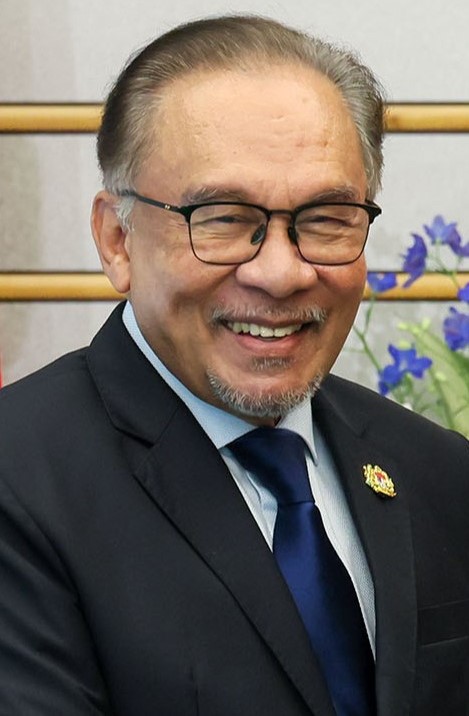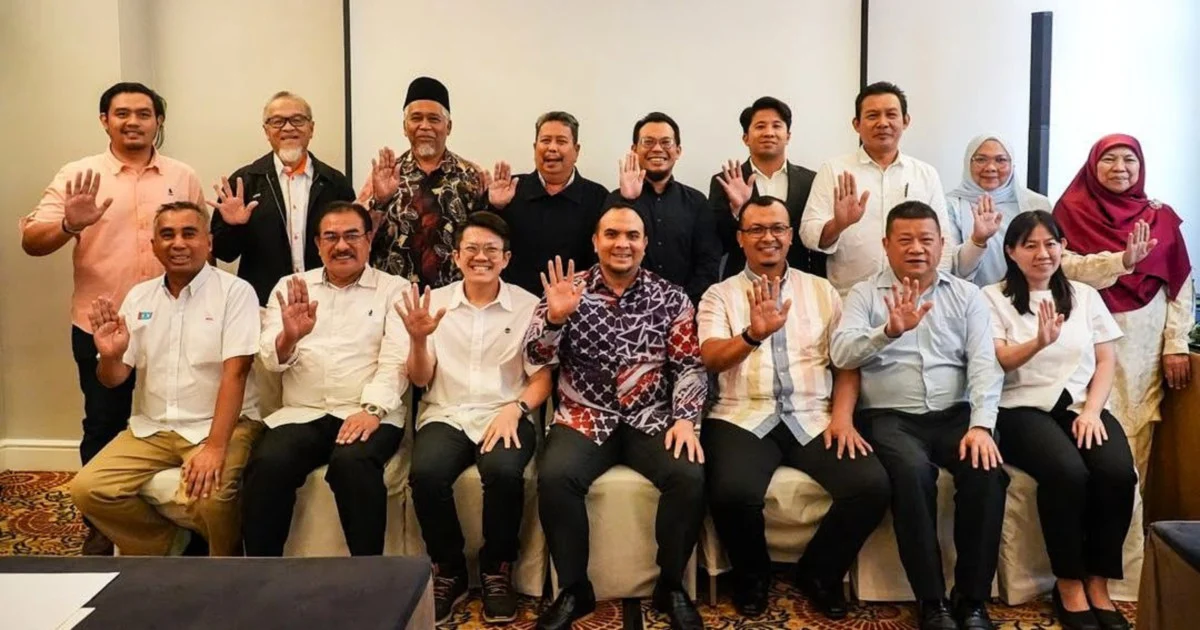
Datuk Ahmad Farhan Fauzi, who serves as political secretary to Prime Minister Datuk Seri Anwar Ibrahim, has assumed the position of Pahang Pakatan Harapan chairman, according to an announcement in Kuantan. The appointment represents a notable development in the coalition's organisational structure as it seeks to strengthen its political foothold in the East Coast state.
The move reflects Anwar's strategic effort to consolidate party leadership at the state level by placing a trusted aide in a crucial position. As the Prime Minister's political secretary, Ahmad Farhan Fauzi has direct access to Anwar's inner circle and serves as a conduit for party directives from the federal level. His elevation to the Pahang PH chairmanship suggests the leadership views the East Coast state as a priority battleground for the coalition's future political ambitions.
Pahang holds considerable strategic importance within Malaysia's political landscape. As the nation's largest state by area and home to a substantial population spread across diverse constituencies, the state represents both an opportunity and a challenge for Pakatan Harapan. The coalition's performance in Pahang during recent electoral cycles has been mixed, making strong leadership at the state level essential for reversing any ground that might have been lost to rival coalitions.
The appointment comes amid broader discussions within PH about revitalising its state-level apparatus. Political observers have noted that the coalition faces pressure to demonstrate effective governance at the state level, particularly in states where it holds executive power or significant representation. Pahang's internal party management and public-facing messaging can significantly influence voter sentiment across the wider East Coast region, which includes neighbouring states like Terengganu and Kelantan.
Ahmad Farhan Fauzi's background and proximity to Anwar Ibrahim indicate that the Prime Minister is investing considerable political capital in reshaping Pahang's PH structure. Those close to the party apparatus note that direct appointments of federal figures to state positions often signal that the centre believes a state party chapter requires significant attention or restructuring. The choice of someone from the Prime Minister's own office underscores the seriousness with which the leadership intends to approach this role.
The timing of this appointment carries implications for internal party dynamics within PH. The coalition comprises several distinct political entities, including PKR, DAP, Amanah, and several smaller parties. Ensuring cohesion among these components at the state level requires astute political management and someone with both grassroots credibility and access to power. Ahmad Farhan Fauzi's positioning between the federal centre and state operations positions him to help negotiate the often-delicate balance between these competing interests.
For Malaysian politics more broadly, this development illustrates how federal administrations typically approach governance at the state level. By installing trusted operatives in key state positions, the federal leadership can ensure alignment with national political strategies while maintaining the appearance of local party autonomy. This pattern is common across political systems but warrants scrutiny regarding whether it genuinely strengthens state-level decision-making or merely centralises power further.
The significance of this appointment extends to Malaysian voters in Pahang who are assessing how well the PH-led federal government translates its national agenda into tangible improvements at the state level. Effective state leadership requires not just access to federal resources but also understanding of local concerns and the ability to build consensus among diverse communities. Ahmad Farhan Fauzi's success in this role will partly depend on whether he can balance his responsibilities to the Prime Minister's office with genuine responsiveness to Pahang's unique political and economic circumstances.
Looking ahead, observers will monitor whether this leadership change translates into renewed momentum for PH in Pahang. The appointment suggests the coalition recognises that its performance in the state requires elevated attention. Whether Ahmad Farhan Fauzi can energise the party machinery, rebuild damaged voter relationships, and navigate factional tensions within PH's component parties will become evident in coming months through party activities and, ultimately, electoral outcomes.
The broader regional implications also merit consideration. The East Coast has historically represented a complex political terrain where different parties maintain varying levels of influence across constituencies. A well-managed Pahang PH operation could potentially influence political dynamics in Terengganu and even Kelantan, while organisational weakness in Pahang would signal vulnerability across the region and potentially embolden opposition forces competing for East Coast influence.