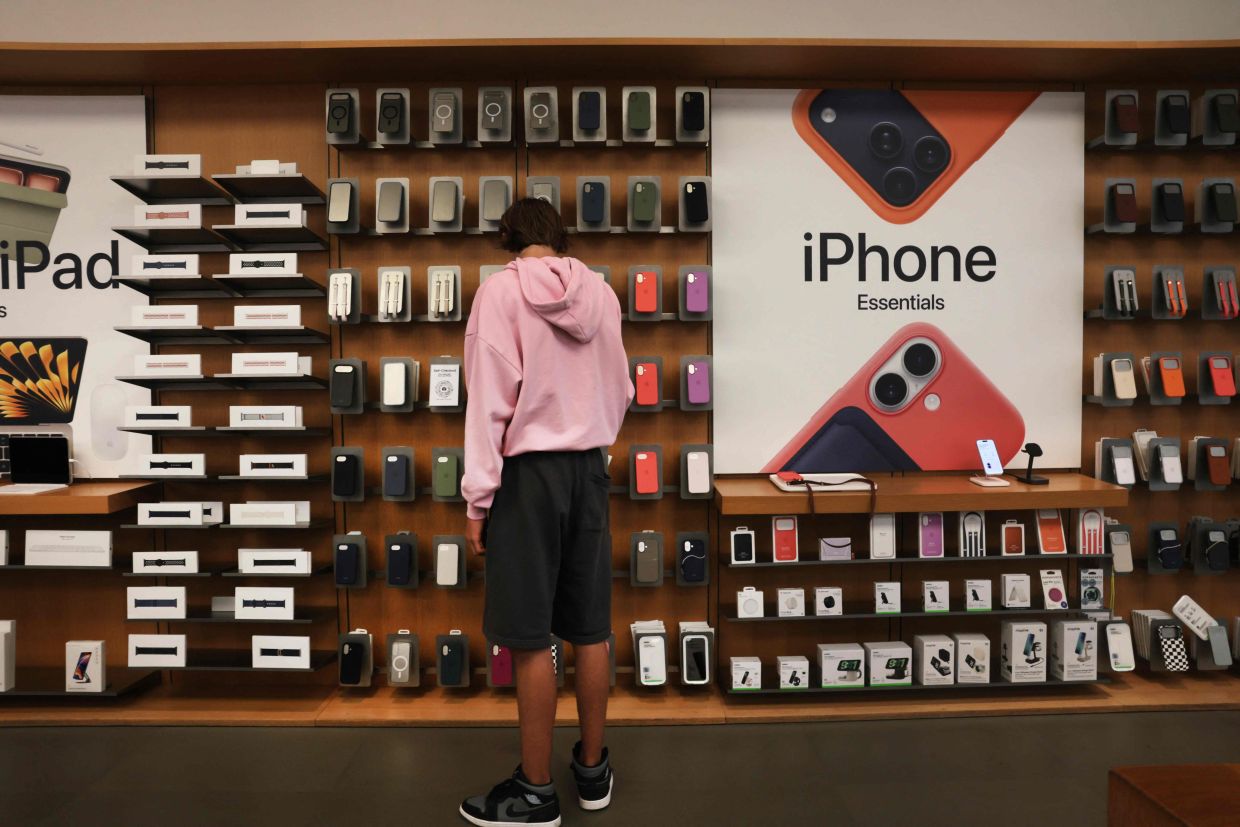
The rivalry between Apple and OpenAI has moved into courtrooms in San Jose, California, marking a significant escalation in what appears to be a strategic conflict over artificial intelligence hardware development. Apple initiated legal proceedings last month with serious accusations that OpenAI has systematically recruited its former employees to extract confidential information about unreleased products and design methodologies. The iPhone maker filed a subsequent court document on August 3rd characterising OpenAI's conduct as repeated deliberate theft, arguing that the AI company should be barred from leveraging Apple's proprietary knowledge to accelerate its own consumer device ambitions.
OpenAI's response, filed just two days later, sought to dismiss the case entirely—a legal maneuver that would prevent Apple from pursuing similar claims in the future. The company's legal team deployed sharp language, describing Apple's lawsuit as fundamentally flawed and accusing the technology giant of using litigation as a smokescreen for its own struggles in retaining talent and developing competitive AI products. This tit-for-tat filing sets the stage for a crucial hearing scheduled for October 1st before Federal Judge Edward Davila, who will determine whether the case proceeds or faces dismissal. The timing is critical for both companies as they navigate an increasingly complex relationship where partnership and competition coexist uneasily.
What makes this dispute particularly noteworthy for Southeast Asian observers is the underlying dynamic it reveals about talent mobility and competitive advantage in the global technology sector. OpenAI's legal team invoked California employment laws that explicitly protect workers' rights to change jobs and transfer to competitors, framing such mobility as foundational to the state's technological dominance. The argument carries weight in Silicon Valley jurisprudence, yet Apple's counter-position raises legitimate concerns about the distinction between employee mobility and the systematic extraction of proprietary information. This tension reflects broader questions about how companies should balance fostering innovation through talent circulation against protecting genuine intellectual property rights—questions increasingly relevant as Southeast Asian technology hubs develop more sophisticated innovation ecosystems.
Apple's allegations focus particularly on Tang Tan, OpenAI's head of hardware and a former Apple vice president of design. According to the filing, Tan allegedly used his knowledge of unreleased Apple products during recruitment interviews, where candidates were invited to participate in "show and tell" sessions featuring prototypes and design files. This characterisation suggests a deliberate pattern rather than incidental information sharing. Apple's lawyers emphasise the urgency of their request for an injunction, warning that each passing day allows OpenAI to embed stolen information deeper into its hardware development processes. The company submitted supporting evidence including leaked details from technology media outlets describing OpenAI's forthcoming screenless speaker device—a circular, hockey-puck-sized device designed with prominent designer Jony Ive's studio LoveFrom, with an anticipated price range of US$300 to US$400 and launch date in 2027.
OpenAI's defence strategy operates on multiple levels. The company flatly denies any improper use of Apple's secrets, asserting that it is "building something entirely new and different" and has no need for Apple's proprietary information. The AI company points out that Apple has failed to identify specific copied products, such as particular iPhone models, which weakens the claim of concrete harm. More aggressively, OpenAI's lawyers argue that Apple itself has inadequate data protection practices, noting that the company encouraged employees to use personal iCloud accounts for work, effectively blending corporate and personal data while failing to maintain clean access controls when employees departed. This counter-argument suggests that if information did flow to OpenAI, Apple bears significant responsibility for not securing its own environment.
The presence of more than 400 former Apple employees at OpenAI, according to Apple's initial complaint, provides statistical context for both parties' positions. OpenAI interprets this as evidence of legitimate talent migration that fuels innovation, while Apple views it as a coordinated recruitment operation targeting sensitive knowledge. For Malaysian readers following this case, the numbers highlight how global technology competition increasingly hinges on human capital rather than purely on patents or infrastructure. The recruitment of experienced designers, engineers, and product strategists represents a form of knowledge transfer that existing legal frameworks struggle to regulate, particularly when employees legitimately move between employers in the same industry.
The irony underlining this conflict is that Apple and OpenAI remain formal partners. ChatGPT integration into Apple products has been in place since 2024, meaning the two companies maintain collaborative relationships even as they pursue aggressive litigation. This dynamic mirrors similar tensions in the technology industry where competitors frequently maintain business partnerships while competing fiercely in adjacent markets. The arrangement suggests that the dispute, however legally contentious, may ultimately be resolved through settlement or court judgment without fundamentally fracturing the commercial relationship. However, the reputational damage and trust erosion from such public litigation can have longer-term implications for partnership effectiveness.
OpenAI's current trajectory makes this lawsuit particularly consequential for the company's future. Valued at approximately US$852 billion, OpenAI is preparing for a potential initial public offering that will subject its governance practices and legal compliance to intense scrutiny from potential investors and regulators. A costly protracted lawsuit or major judgment against the company could complicate fundraising efforts and valuation discussions. Simultaneously, OpenAI faces fierce competition from Anthropic, a rival AI laboratory founded by former OpenAI employees based in San Francisco, making the talent competition especially intense. This triangular dynamic between Apple, OpenAI, and Anthropic illustrates how the artificial intelligence sector has become a magnet for competitive recruitment that occasionally tips into legal disputes.
The October 1st hearing will determine not just the fate of this particular case but may also establish precedent for how courts adjudicate similar disputes in the AI and technology sectors. If Judge Davila allows the case to proceed, Apple will need to present convincing evidence that specific trade secrets were stolen rather than general design principles or industry knowledge. Conversely, if the judge grants OpenAI's dismissal motion, it would signal that California's employment protections override concerns about systematic information extraction by competing firms. The decision will likely influence how other technology companies approach hiring from competitors and how they structure confidentiality agreements and knowledge transfer protocols.
For Malaysian technology companies and policymakers, this case offers instructive lessons about the evolving nature of intellectual property disputes in the AI era. As Malaysia develops its own technology sector and attracts international talent, questions about how to balance employee mobility with trade secret protection will become increasingly pressing. The Apple-OpenAI dispute demonstrates that even the world's most sophisticated companies struggle with these boundaries, suggesting that Southeast Asian firms should invest in clear contractual frameworks, robust data security practices, and transparent recruitment policies that protect legitimate business interests without creating the appearance of systematic information extraction. The case also highlights the importance of understanding how different jurisdictions handle employment law and intellectual property conflicts, particularly as companies operate across multiple regulatory environments.

