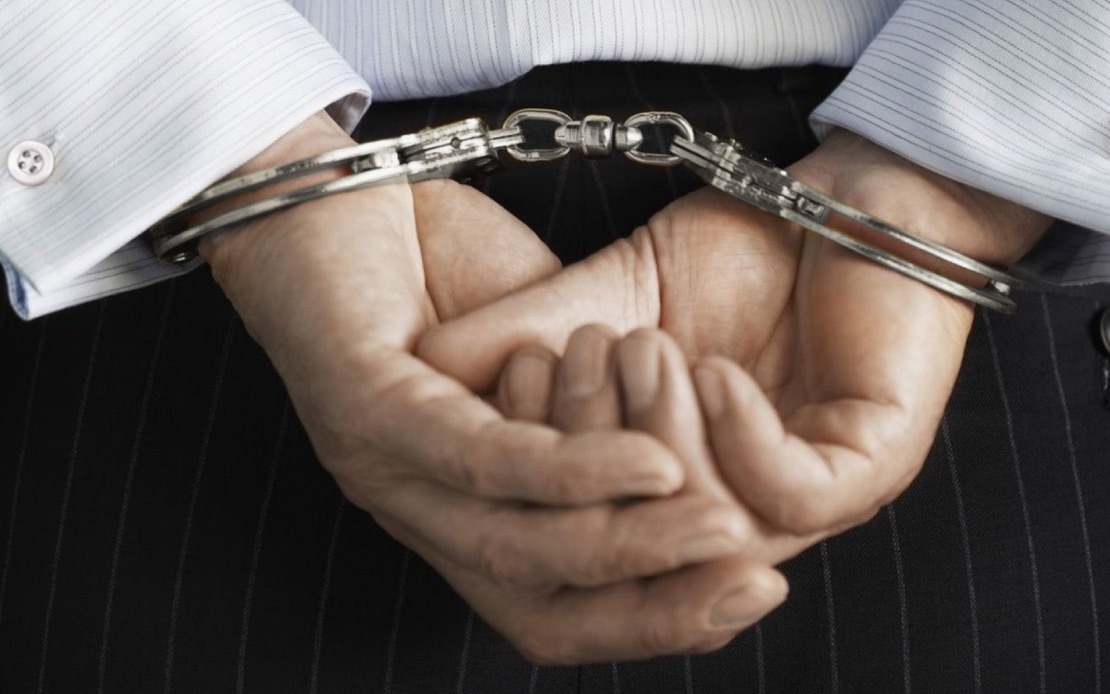
An armed individual was taken into custody at Donald Trump's golf course in California days before the former president was scheduled to attend a Republican Party fundraising dinner, law enforcement authorities confirmed this week. The Los Angeles County Sheriff's Department disclosed that plainclothes officers spotted the suspicious man at Trump National Golf Course in Rancho Palos Verdes on Sunday afternoon, where he appeared to be engaged in photographing and recording video while simultaneously observing security preparations at the venue.
The initial apprehension at the golf course itself yielded significant findings that immediately raised alarm among security personnel. When officers detained the individual, they discovered ammunition and a 16-round magazine in his immediate possession. The discovery prompted an expanded investigation that extended beyond the golf course grounds to the suspect's vehicle, parked nearby, where investigators located a loaded pistol along with another loaded magazine, further indicating preparedness for armed confrontation.
The scope of concern widened considerably when authorities executed a search warrant at the man's residence, uncovering an extensive cache of weapons and ammunition stockpiled there. Beyond the firearms themselves, officers recovered body armour, radio signal devices apparently designed for surveillance or communication purposes, and multiple notebooks containing statements authorities deemed sufficiently concerning to warrant further investigation and documentation. The discovery of this material suggested a level of planning and ideological motivation that transcended opportunistic criminal activity.
The timing of the arrest proved significant, as Trump was expected to appear at the golf course on Tuesday evening as part of the Republican Party's fundraising operations. Security officials moved swiftly to assess whether the detained individual posed a direct threat to the former president's movements or whether his reconnaissance activities had specific operational targets. The incident highlighted the persistent vulnerability of high-profile political figures despite substantial security investments and protective protocols.
This arrest represents merely the latest in a troubling pattern of security breaches and violent incidents that have involved Trump over recent years, reflecting a broader environment of political tension and polarization affecting the United States. In April of this year, gunfire erupted during a press dinner held in Washington, necessitating immediate evacuation of Trump and his wife while attendees scrambled for safety, ultimately forcing abandonment of the formal event. The incident underscored how venues traditionally considered secure could become sites of danger without adequate preventive measures.
The challenges facing presidential protection intensified further in February when armed individuals attempted to breach security at Trump's Mar-a-Lago estate in Florida, resulting in law enforcement fatally shooting an armed man who penetrated the compound's perimeter. These Florida incidents, combined with the California arrest, demonstrate how Trump's properties have emerged as focal points for security incidents across multiple states and jurisdictions, stretching protective resources and complicating threat assessment protocols.
The scope of these incidents expanded dramatically in 2024 when Trump himself became the target of gunfire while conducting a campaign event in Pennsylvania, sustaining a wound to his ear that, while not life-threatening, represented a chilling demonstration of real violence directed at the political figure. The incident catalyzed emergency response protocols while generating substantial debate regarding the adequacy of Secret Service protection and the challenges posed by outdoor campaign events in an environment of heightened political hostility.
Later that same year, Secret Service personnel located and fatally shot an armed individual who had concealed himself in vegetation near Trump's golf course in West Palm Beach, Florida. Intelligence suggested the individual harboured intentions to execute a planned attack, making the proactive discovery and interdiction potentially lifesaving. The incident illustrated how security personnel must maintain continuous vigilance even in locations Trump frequented regularly, where routines could be studied and exploited by those with malicious intent.
The California arrest exemplifies how security threats against political figures have evolved beyond isolated incidents to constitute a persistent vulnerability requiring sustained attention and resources. Malaysian and Southeast Asian observers of American political dynamics may recognize parallels with security challenges facing prominent figures in their own regions, where political polarization and access to weapons create comparable vulnerabilities. The incident demonstrates that even wealthy individuals with considerable resources for private security face difficulties protecting themselves and family members from determined individuals with reconnaissance capabilities and access to weapons.
For security professionals worldwide, the sequence of incidents involving Trump underscores fundamental challenges in protecting high-profile individuals operating in democratic societies where public access and movement cannot be entirely eliminated. The balance between security and the demands of political campaigning, public fundraising, and personal recreation creates inherent vulnerabilities that comprehensive security protocols struggle to fully mitigate. Each incident generates fresh assessment of protective measures and occasionally forces modification of schedules or venues, yet the underlying vulnerability persists.

