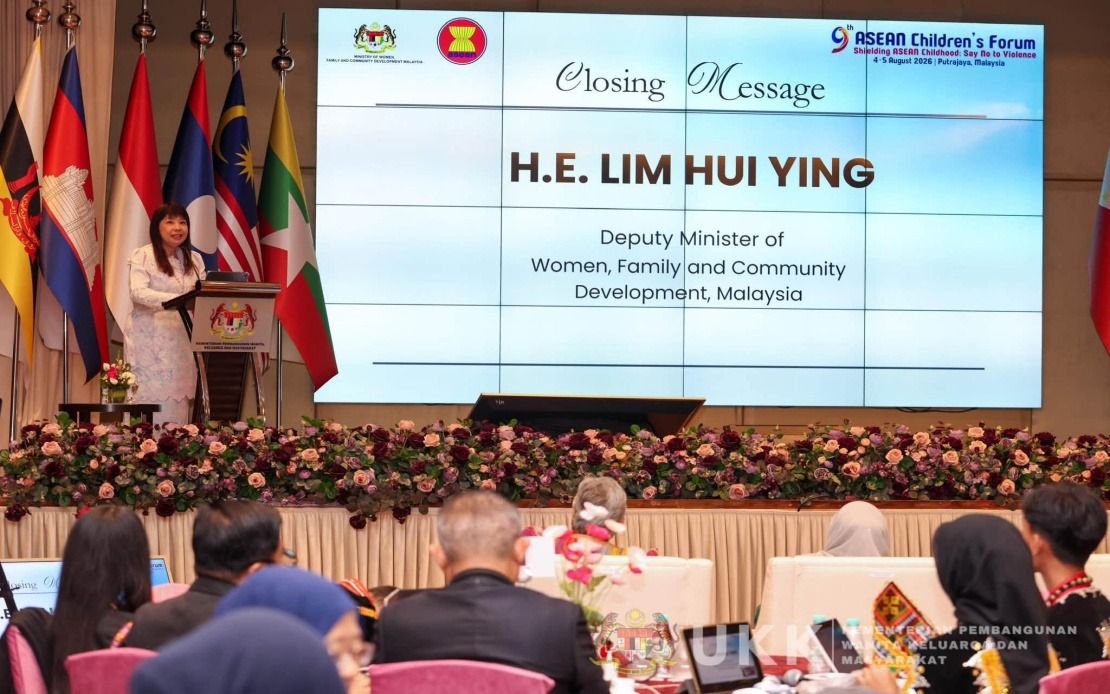
Regional policymakers have received a clear mandate to strengthen child protection frameworks across ASEAN following recommendations emerging from the 9th ASEAN Children's Forum held in Putrajaya. The hybrid gathering, which drew child participants from all member states, prioritised safeguarding measures against physical, emotional, psychological and sexual violence—issues affecting millions of young people throughout the region.
Deputy Women, Family and Community Development Minister Lim Hui Ying stressed that the recommendations deserve serious attention from both national governments and ASEAN institutional bodies. Rather than treating the forum's output as advisory, she called for concrete translation of these child-informed proposals into actionable policies and programmes that could meaningfully reduce harm to vulnerable young people. The minister's emphasis on implementation reflects growing regional recognition that child welfare cannot remain aspirational rhetoric but must drive budgets, legislation and enforcement mechanisms.
The forum identified four critical environments requiring urgent protective measures: homes, schools, digital spaces and broader community settings. Each domain presents distinct challenges requiring tailored interventions. Domestic violence and abuse, school bullying, online exploitation and community neglect represent interconnected threats that demand coordinated responses rather than siloed interventions. This holistic framework offers ASEAN governments a roadmap for comprehensive reform rather than piecemeal adjustments that leave protection gaps.
Strengthening child protection legislation emerged as the cornerstone recommendation. Many ASEAN nations maintain laws written before digital communication, online grooming and modern trafficking methods became prevalent. Harmonising standards across the bloc while respecting national contexts could establish minimum protections while preventing jurisdictional gaps that predators exploit. Regional cooperation on legal frameworks could enable ASEAN to move beyond individual nation responses toward coordinated enforcement that recognises children's borderless vulnerability in the digital age.
The forum emphasised establishing child-friendly reporting mechanisms—a critical barrier currently preventing many young people from disclosing abuse. Fear of authorities, shame, cultural stigma and previous negative experiences with law enforcement keep abuse hidden. Creating accessible, confidential channels staffed by trained personnel who listen without judgment could transform reporting culture. Malaysia and other advanced economies might mentor regional peers on implementing specialised child victim units and trauma-informed interviewing practices that protect dignity while gathering evidence.
Anti-bullying policy enforcement received particular attention, reflecting the documented mental health impacts of peer harassment across the region. While many schools have bullying policies, implementation remains inconsistent and consequences often inadequate. The forum's emphasis on active enforcement rather than passive policies suggests participants recognised that written rules mean little without consistent application, teacher training and accountability mechanisms. Regional research into bullying's prevalence and its particular manifestations in different cultural contexts could strengthen evidence-based interventions.
Psychosocial support expansion represents another priority with profound implications for post-trauma recovery. Many ASEAN nations face acute shortages of trained child psychologists, counsellors and mental health services capable of addressing abuse trauma. Building capacity through regional training initiatives, tele-counselling platforms and community health worker training could extend support beyond urban centres. The recognition that children in vulnerable situations—migrants, ethnic minorities, those in poverty—require inclusive services suggests targeted investment rather than one-size-fits-all approaches.
The forum's acknowledgment of stakeholder roles beyond government demonstrates sophisticated understanding that child protection requires ecosystem change. Parents need education on positive discipline alternatives, teachers require training on recognising and reporting abuse, media must scrutinise harmful content, civil society plays accountability roles, and peers themselves become agents of cultural change toward zero tolerance for violence. This stakeholder engagement approach has proven more sustainable than relying solely on government enforcement in Southeast Asian contexts where informal networks often hold greater community influence than formal institutions.
The participants' pledge to foster mutual support and care culture reflects a bottom-up dimension to change that complements top-down policy reform. When children themselves commit to supporting peers and building respectful communities, they become protection system participants rather than passive beneficiaries. Translating this youthful commitment into sustained peer education programmes, youth-led monitoring initiatives and intergenerational dialogue could amplify protection efforts beyond what adults alone can accomplish.
For Malaysia specifically, these recommendations align with existing policy directions yet highlight implementation gaps. The nation leads ASEAN in some areas—its online grooming laws and specialised courts represent regional examples—yet gaps remain in rural areas, among indigenous communities and in migrant protection. The regional forum provides opportunity for Malaysian expertise to contribute while learning from peers' innovations. Thailand's network of child advocacy centres or Philippines' child-friendly police stations offer models Malaysian authorities might adapt to local contexts.
Implementation now represents the critical challenge. Regional institutional mechanisms for translating forum recommendations into ASEAN sectoral body workplans remain underdeveloped. Without dedicated funding, timelines and accountability mechanisms, these child-informed recommendations risk becoming archived reports rather than catalysts for transformation. ASEAN's SOMCHD (Senior Officials Meeting on Children) and related bodies require strengthened mandates and resources to monitor implementation across member states and facilitate knowledge-sharing on effective practices.
The forum's significance extends beyond formal policy. By centring children's voices in regional deliberations, ASEAN signals that youth participation in governance is non-negotiable. This sets precedent for including young people in designing solutions to problems affecting their lives, whether child protection, climate action or education reform. The 9th ASEAN Children's Forum demonstrates that children understand their own realities and can articulate sophisticated solutions when given genuine platforms—challenging adult-centric governance models throughout the region.

