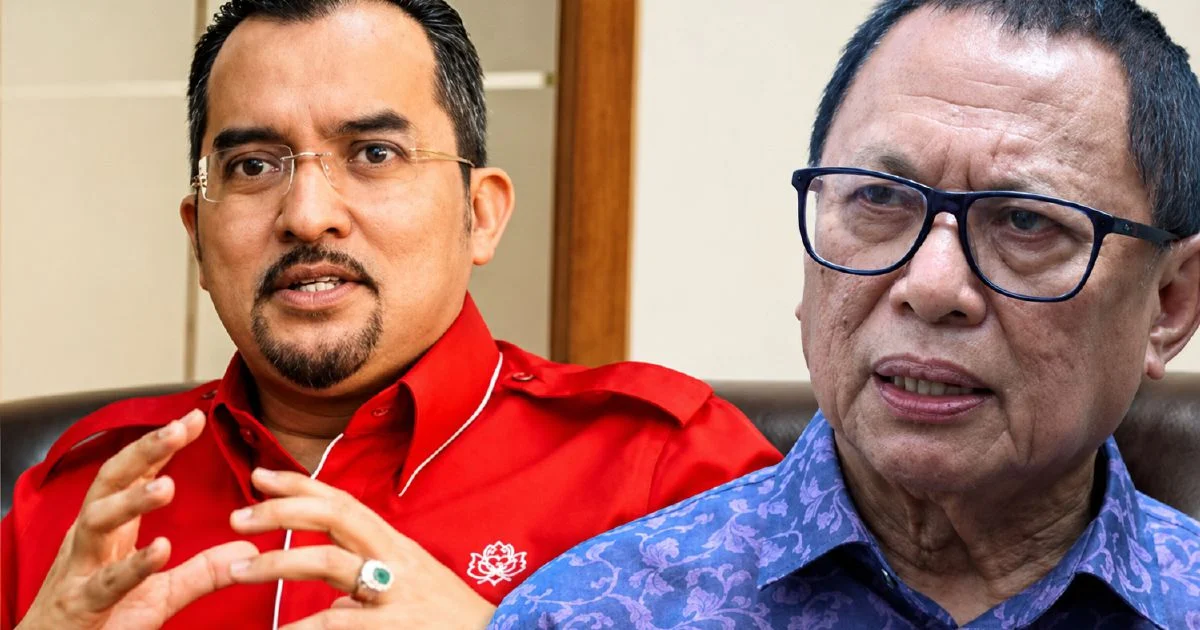
The leadership of Malaysia's largest Malay-Muslim political party has descended into public acrimony as Datuk Dr Asyraf Wajdi Dusuki, UMNO's secretary-general, issued a pointed response to Datuk Dr Mohd Puad Zarkashi in the wake of the latter's exit from the organisation. The dispute marks another visible fracture within the party's upper echelons at a time when UMNO's internal cohesion remains scrutinised by both supporters and detractors seeking signs of institutional stability.
The resignation of Puad Zarkashi, whose departure was announced in Johor Baru, has triggered significant reverberations within party circles. Rather than allowing the matter to fade quietly, Asyraf Wajdi chose to engage directly with the assertions made by his now-former colleague, suggesting that tensions underlying the split run considerably deeper than typical leadership disagreements. Such public disputes between senior figures carry particular weight in UMNO, an organisation that has historically emphasised party discipline and hierarchical respect, making any visible rupture noteworthy.
Puad Zarkashi's resignation statement apparently contained allegations or references concerning the Johor palace, matters that Asyraf Wajdi has sought to address directly rather than through intermediaries. The decision to respond with vigour rather than restraint indicates that UMNO's leadership views these claims as sufficiently serious to warrant immediate clarification and rebuttal. For Malaysian observers accustomed to the measured nature of official party communications, such directness suggests genuine concern about reputational implications.
The Johor palace holds tremendous symbolic and political significance within Malaysia's constitutional monarchy framework, particularly in peninsular politics where the Johor royal household maintains substantial influence. Any allegations or implications involving royal institutions typically trigger heightened sensitivity among party officials and government figures, as breaches of protocol or respect towards the monarchy carry serious consequences. Asyraf Wajdi's apparent determination to distance UMNO from such claims underscores the gravity with which the party's leadership regards any hint of impropriety in this domain.
Within UMNO's broader context, departures of senior figures frequently signal underlying factional tensions that have accumulated over time. Puad Zarkashi's exit may reflect not simply a personal disagreement but rather a crystallisation of broader concerns about party direction, leadership succession, or policy orientation that have troubled various segments of the membership. The public nature of his departure and the allegations he has apparently raised suggest that consensual and amicable separation was not achievable between the parties involved.
For Southeast Asian observers, such internal party dynamics in Malaysia's dominant Malay-Muslim organisation possess regional significance. UMNO remains the cornerstone of Malaysian coalition politics and its Barisan Nasional alliance, meaning that internal fractures can reverberate through government stability and policy continuity. Moreover, UMNO's trajectory influences the broader balance between religious conservatism and secular governance across the region, making its institutional health a matter extending beyond domestic Malaysian concerns.
Asyraf Wajdi's emergence as the principal respondent to these allegations reflects his position as one of UMNO's chief administrative officers, responsible for maintaining party discipline and managing internal communications. His willingness to enter the fray publicly rather than delegate the response suggests he views the matter as requiring immediate and authoritative clarification from the highest administrative levels. This approach may be intended to limit further damage to party reputation whilst simultaneously signalling to other potential dissenters that such criticism will be contested robustly.
The timing of Puad Zarkashi's resignation merits consideration within UMNO's recent political trajectory, particularly the party's ongoing efforts to navigate post-election positioning and leadership developments. Whether the resignation stems from long-standing ideological differences, personal ambition thwarted, or genuine concern about party direction remains unclear from available public statements. The emergence of palace-related allegations in this context adds an additional layer of complexity that extends beyond simple intra-party disagreement.
Looking forward, the extent to which this public dispute can be contained or whether it signals the beginning of further departures within UMNO's leadership circles remains to be determined. Malaysian political history demonstrates that visible fissures among senior figures often indicate deeper institutional strains that take considerable time to fully manifest. The party's ability to absorb Puad Zarkashi's departure whilst maintaining public unity and messaging coherence will influence perceptions of UMNO's strength heading into future electoral cycles and coalition negotiations that will shape Malaysian governance patterns.

