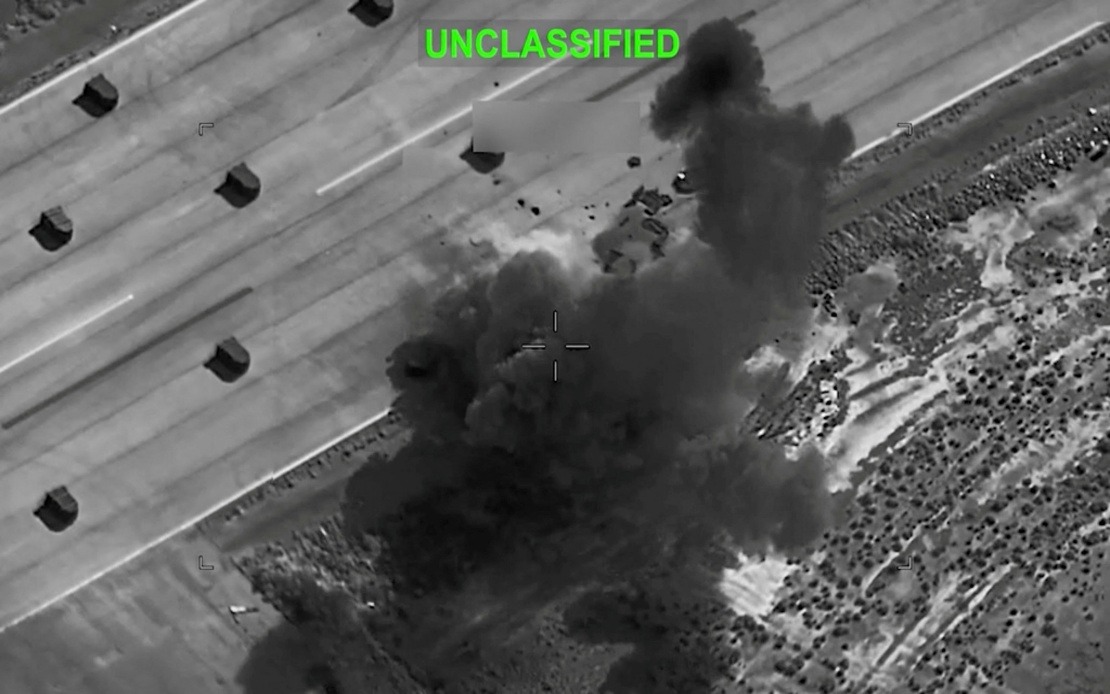
Iranian authorities reported significant casualties from military strikes carried out by the United States on July 8 and 9, 2026, with the country's Health Ministry confirming at least 14 fatalities and 78 people wounded across multiple regions. The strikes targeted five provinces and occurred during what Iranian officials characterized as an active ceasefire period, raising questions about the circumstances surrounding the military operations and their timing relative to diplomatic efforts.
Hossein Kermanpour, spokesman for Iran's Health Ministry, disclosed the casualty figures through a statement posted on social media platform X, providing what appears to be the first official assessment of the human toll from the attacks. According to his account, the medical system has been mobilized to manage the aftermath, with 47 of the injured individuals currently requiring hospitalization while the remainder have been treated and released from healthcare facilities.
The targeting of five provinces simultaneously suggests a coordinated military campaign rather than isolated incidents. The scope of the operation raises significant implications for regional stability and the broader geopolitical tensions between the United States and Iran that have periodified international relations for decades. The involvement of multiple provinces indicates that the strikes were distributed across Iranian territory, potentially affecting civilian infrastructure and population centers beyond military installations.
The designation of this period as a ceasefire by Iranian officials adds a diplomatic dimension to the military action. If accurate, this characterization suggests that prior agreements or understandings existed regarding a pause in hostilities, making the timing of these strikes particularly contentious. The violation of such an arrangement would represent a significant escalation in tensions and could complicate any ongoing diplomatic channels attempting to de-escalate the situation.
For Southeast Asian nations like Malaysia, which maintains complex diplomatic relationships with both Western powers and Iran, such developments carry strategic implications. The region has long sought to maintain balanced ties across different geopolitical blocs, and escalating US-Iran tensions threaten that equilibrium. Malaysian policymakers will be monitoring how this incident affects broader Middle Eastern stability and whether it impacts regional shipping lanes, energy security, and investment flows that are critical to Southeast Asian economies.
The hospitalization of a significant portion of the injured, with 47 individuals remaining in medical care, suggests that many sustained serious injuries requiring sustained treatment and recovery. This figure reflects the severity of the strikes and indicates that Iranian medical facilities are being strained by the sudden influx of trauma cases. The distribution of wounded individuals across multiple provinces also complicates medical responses, as smaller regional hospitals may lack the capacity to handle mass casualty incidents effectively.
The speed with which Iranian officials released casualty figures indicates an attempt to shape the international narrative surrounding the strikes. By providing specific numbers and details about hospital admissions, Tehran seeks to document the humanitarian cost and establish a record of the incident that can be referenced in future diplomatic discussions or international forums. This approach reflects standard practices in contemporary conflict zones where information warfare accompanies military operations.
The context of these strikes within broader US-Iran relations suggests they may be connected to ongoing tensions over nuclear programs, regional proxy conflicts, or previous military incidents. However, the specific trigger for this particular operation remains unclear from available information. Understanding the catalyst for these strikes is essential for assessing whether this represents an isolated action or the beginning of a new phase in US-Iran confrontation.
Regional observers in Southeast Asia are particularly concerned about how such military escalations might affect international stability and economic conditions. Disruptions to Middle Eastern stability can ripple outward through global supply chains, energy markets, and security arrangements that touch every nation in the region. Malaysian businesses with interests in Iran or dependent on stable Middle Eastern conditions face potential economic headwinds if tensions continue to escalate.
The incident underscores the fragility of international agreements and ceasefire arrangements in conflict zones where multiple parties with divergent interests operate. The apparent breach of a ceasefire, if confirmed, demonstrates how easily diplomatic progress can be undone through military action, a lesson relevant to various regional disputes in Southeast Asia where similar arrangements have been attempted.
Longer-term implications for Malaysian foreign policy include potential pressure to take positions on the incident through various international forums. Malaysia's historical approach of maintaining nonalignment while engaging constructively with diverse partners will be tested as international actors seek responses and statements regarding the strikes. The incident may also prompt discussions within ASEAN about the bloc's approach to extraregional military conflicts and their potential spillover effects on member states.

