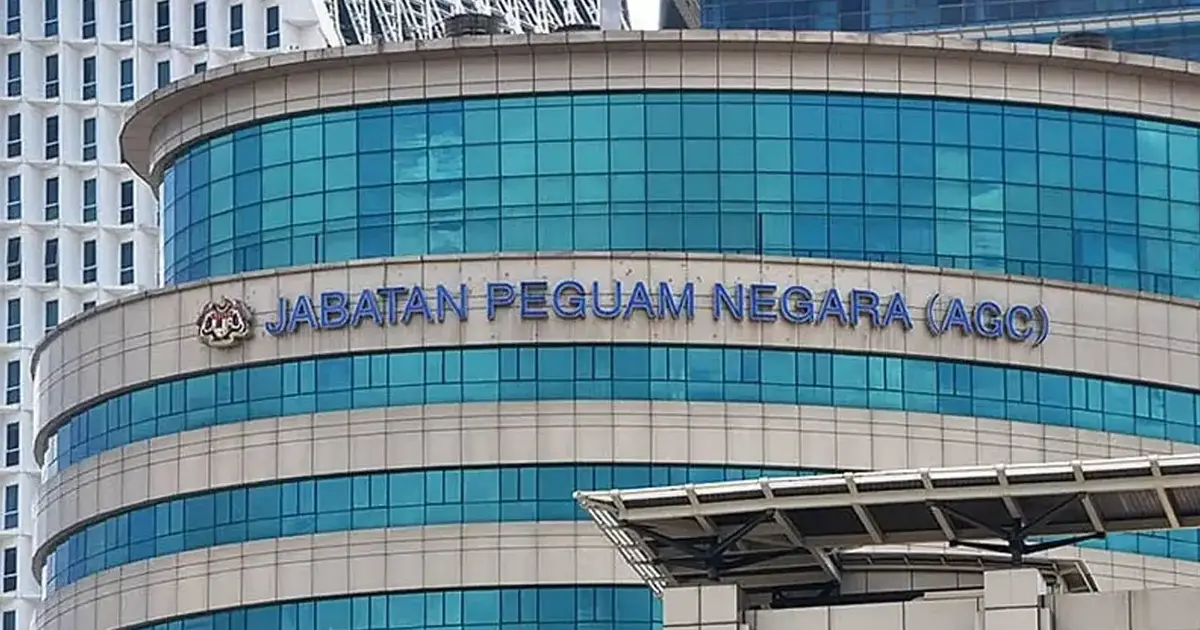
A significant delay has emerged in the legal examination of the Durian Tunggal investigation, with Malaysia's Attorney General's Chambers still conducting its assessment more than four weeks after receiving the latest batch of case papers. The prolonged review process underscores the complexity surrounding this matter, which has drawn considerable attention from multiple quarters seeking clarity on the investigation's direction and potential outcomes.
The sequential resubmissions of investigation documents point to an iterative process within the AGC's office, suggesting that earlier versions of the papers may have required additional work or clarification before proceeding further. This pattern of multiple submissions is not uncommon in high-profile cases where authorities must ensure all procedural requirements are meticulously satisfied before making determinations that could carry significant legal and political ramifications.
The home minister's recent appeal for restraint reflects the delicate position of government officials overseeing sensitive matters. By publicly urging all stakeholders to permit the legal machinery to operate without external pressure, the minister seeks to insulate the investigative and prosecutorial processes from political interference or public clamour. Such statements serve a dual purpose: they signal commitment to rule of law while simultaneously managing expectations about timelines for resolution.
For Malaysian citizens accustomed to faster case dispositions, the month-long review period may seem protracted. However, the AGC faces considerable responsibility when evaluating complex investigations, particularly those with potential implications for national interests or involving multiple parties. The careful examination of evidence, witness statements, legal precedents, and prosecutorial strategy requires thorough deliberation rather than expeditious shortcuts.
The Durian Tunggal case has captured public interest partly because of its apparent significance and partly because of the information vacuum surrounding its specifics. The controlled release of information through official channels contrasts sharply with speculation circulating through media and social networks. This communication gap often prolongs public curiosity and creates space for unfounded rumours to flourish, making transparent updates particularly valuable for maintaining public confidence in institutions.
The regional context matters here as well. Southeast Asian nations frequently grapple with balancing investigative rigour against public expectations for swift justice. Malaysian authorities, drawing from both common law traditions and contemporary governance practices, operate within frameworks that demand thorough documentation and legal scrutiny before prosecutorial decisions. This methodical approach, while sometimes frustrating to observers, reflects international best practices for ensuring justice system integrity.
The four submissions themselves suggest that the case file has evolved, possibly through additional investigations conducted by the responsible enforcement agencies. Each resubmission may incorporate newly gathered evidence, refined legal arguments, or responses to questions raised during previous AGC examinations. Such iterative refinement, though time-consuming, ultimately strengthens the foundation upon which any legal action would rest.
From a broader institutional perspective, the extended timeline also reflects the AGC's caseload and resource constraints. Malaysia's attorney general's office manages numerous high-priority matters simultaneously, from criminal prosecutions to regulatory enforcement. The allocation of senior legal expertise to particular cases necessarily extends review periods when multiple complex matters compete for attention.
The home minister's statement carries implicit messaging for various audiences. To those demanding swift action, it signals that authorities are actively engaged. To those concerned about hasty or politically motivated prosecution, it emphasises measured deliberation. To international observers monitoring Malaysian governance, it demonstrates adherence to procedural propriety. Such multi-layered communication is characteristic of government statements on sensitive matters.
Looking ahead, the significant question for stakeholders involves not whether the AGC will eventually conclude its review, but what that conclusion will entail. Options range from directing prosecution, requesting further investigations, or declining to proceed altogether. Each outcome carries distinct implications for the individuals and entities involved, as well as for public perception of investigative and prosecutorial independence.
The patience urged by the home minister represents an implicit acknowledgment that rushed decisions would invite criticism regardless of their substance. In an era of intense public scrutiny and instant communication, government bodies increasingly recognise that taking adequate time to reach considered conclusions enhances legitimacy and reduces vulnerability to challenges based on procedural grounds.
As the AGC continues its deliberations on the Durian Tunggal matter, observers across Malaysia and the broader region watch to understand how this case ultimately unfolds. The institutional credibility of Malaysia's legal system may itself depend not solely on the final outcome, but on the demonstrable integrity and thoroughness of the process through which authorities reach their decision.

