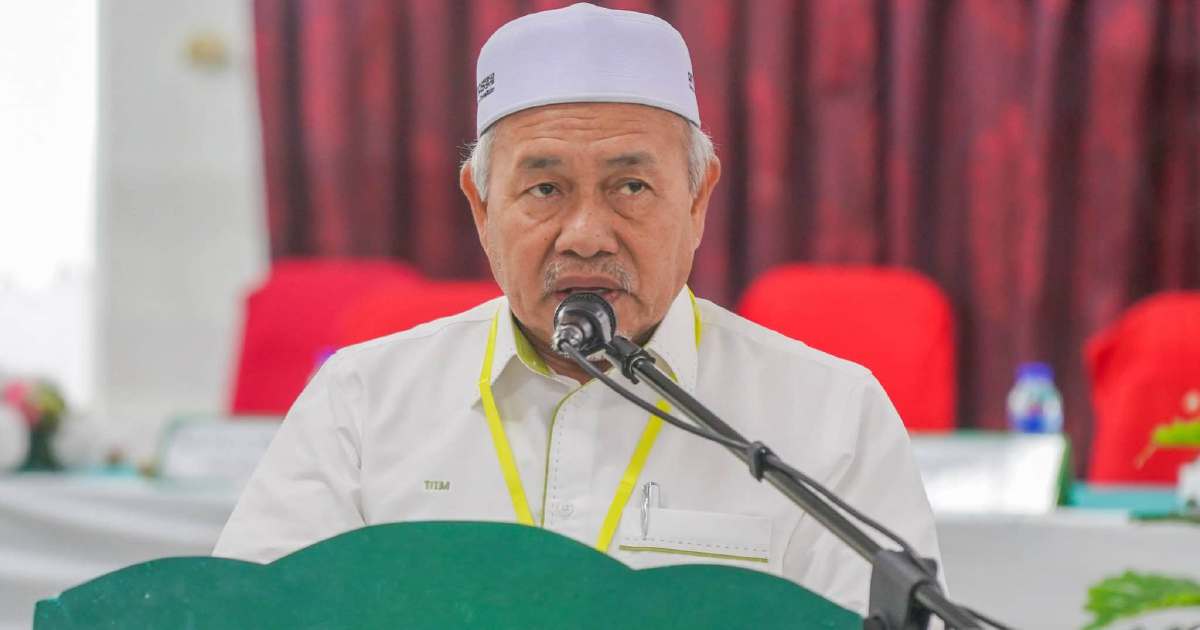
The Islamic PAS party faces a generational engagement gap that threatens to limit its growth trajectory in the upcoming Johor state election, according to senior party leadership. Datuk Seri Tuan Ibrahim Tuan Man, serving as the party's deputy president, made the candid admission from Kota Baru that mobilising younger voters remains the organisation's central vulnerability as it endeavours to expand its political footprint beyond traditional strongholds.
Youth participation in electoral campaigns has emerged as a defining variable across Malaysian political contests, particularly as demographic shifts create larger cohorts of first-time voters. For PAS, which has historically drawn strength from older, more religiously observant communities, the challenge of communicating its political platform to voters under 40 presents a strategic conundrum. The party's messaging, organisational culture, and policy emphasis have traditionally resonated most powerfully with established demographic blocs, potentially leaving younger constituencies without adequate connection points.
The Johor election provides a critical testing ground for the party's ability to adapt its appeal across generational lines. As one of Malaysia's most economically dynamic states and home to significant urban centres, Johor contains substantial populations of educated, digitally-native voters whose political priorities may diverge from conventional religious or communal frameworks. PAS must demonstrate that it can address contemporary concerns around employment prospects, educational access, and economic mobility that preoccupy younger citizens.
The party's candidacy strategy and campaign positioning will likely reflect efforts to address this acknowledged weakness. Fielding younger candidates, emphasizing forward-looking policy initiatives, and establishing stronger digital presence through social media platforms represent conventional responses to youth engagement deficits. However, substantive policy articulation around issues affecting younger Malaysians—economic diversification, skills training alignment with industry demands, and quality-of-life improvements—remains essential for authentic connection rather than superficial outreach.
PAS's broader coalition strategy within Johor also intersects with youth mobilisation efforts. Partner parties and alignment choices communicate implicit messages about the party's vision for governance and modernisation. Younger voters often assess electoral choices through the lens of coalition stability, governmental competence, and inclusive policy-making. Therefore, the party's positioning within whatever electoral grouping it contests under carries consequences for intergenerational appeal.
Regional context amplifies the significance of this acknowledgment. Throughout Southeast Asia, political parties have grappled with declining youth participation and engagement with institutional politics more broadly. Malaysia reflects this pattern, with younger voters demonstrating greater volatility in electoral preferences and lower turnout rates than older cohorts. PAS's explicit recognition of this challenge suggests internal awareness that conventional organisational strategies require substantive evolution.
The party's experience in other states provides instructive precedents. Variations in youth engagement across different electoral contexts offer potential lessons regarding messaging approaches, organisational structures, and policy priorities that resonate with younger demographics. Learning from both successful mobilisation efforts and shortcomings in previous campaigns could inform Johor strategy development.
Digital communication capabilities have become increasingly critical for political parties seeking youth engagement. Younger Malaysians consume political information through platforms markedly different from traditional media channels, creating both opportunities and challenges for established parties. PAS's capacity to leverage digital tools authentically—avoiding tone-deaf or obviously manufactured appeals—will significantly influence effectiveness in reaching these voters.
The broader political economy of Johor creates additional pressure for PAS to demonstrate broad-based appeal. As a state containing diverse communities with varied economic interests and educational backgrounds, single-focused messaging proves insufficient for competitive positioning. Youth voters particularly expect nuanced engagement with complexity and rejection of simplistic political framing.
Tuan Ibrahim's candid admission about this challenge reflects welcome institutional self-awareness within PAS leadership. Acknowledging weaknesses represents necessary precondition for developing strategic responses. Whether the party translates this recognition into meaningful organisational and communicative adaptation will substantially determine its electoral fortunes in Johor and broader political trajectory.
The generational divide in Malaysian politics extends beyond any single party, reflecting demographic and cultural shifts reshaping the electorate. PAS's specific struggle with youth engagement illustrates how established political organisations must continuously evolve positioning and approach to maintain relevance across expanding and diversifying voter populations. For Malaysian politics more broadly, successful party adaptation to changing demographics remains essential for democratic vitality and genuine representation of national interests.

