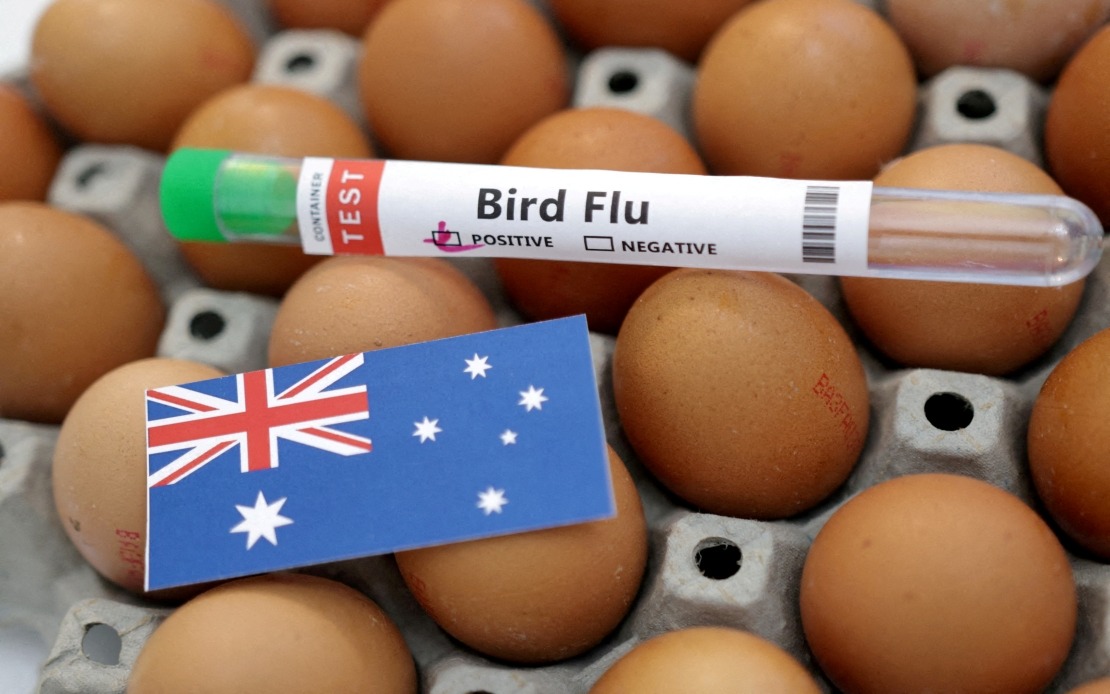
Australian authorities have confirmed the detection of H5N1 avian influenza in mainland wildlife for the first time, marking a significant development in the country's ongoing monitoring of the deadly bird flu strain. The positive test result came from a non-migratory greater crested tern discovered dead near the coastal town of Robe in South Australia, Agriculture Minister Julie Collins announced on Friday. This finding represents a watershed moment for the nation's biosecurity landscape, as all previously detected cases of the highly pathogenic strain had been identified in migratory birds originating from the sub-Antarctic region.
The detection underscores a critical shift in how H5N1 has established itself across geographical boundaries. Prior to this discovery, Australia remained the sole continent without a confirmed case of the strain in its wildlife population, a distinction that ended when Western Australia reported its first detection in June. The emergence of the virus in a non-migratory bird species is particularly noteworthy, as it suggests potential transmission pathways beyond the traditional routes associated with seasonal bird migration patterns. Collins emphasised that scientists are actively investigating how the seabird contracted the infection, with researchers undertaking detailed analysis to identify the specific mechanisms that led to the bird's infection.
Authorities in South Australia have moved swiftly to implement enhanced surveillance measures in the vicinity where the greater crested tern was found. These precautionary steps reflect the serious nature of H5N1 transmission among wild bird populations and the potential for rapid spread if containment protocols are not rigorously maintained. The enhanced monitoring programme will focus on identifying any additional positive cases in the local avian population and tracking patterns that might indicate further transmission events.
Beyond the initial greater crested tern case, South Australian health officials have confirmed two additional H5N1 cases within the state, while Western Australia has reported one more positive result. These three supplementary cases bring the total number of confirmed H5N1 infections on the Australian mainland to twelve, demonstrating that the virus has already established multiple points of presence across the continent's wildlife. The rapid increase in confirmed cases over a short timeframe suggests that surveillance efforts are effectively identifying infected birds, though it also indicates broader environmental circulation of the pathogen.
For Southeast Asian observers, Australia's experience offers important lessons about disease preparedness and cross-border biosecurity challenges. The region has faced H5N1 outbreaks in both poultry and wild bird populations repeatedly over the past two decades, making the Australian situation a mirror held up to potential vulnerabilities closer to home. Malaysia and neighbouring countries rely on sophisticated avian surveillance networks and rapid response protocols, yet the Australian case demonstrates how a virus can establish itself in unexpected species and locations despite robust monitoring systems.
The appearance of H5N1 in a non-migratory bird species raises questions about whether the virus has found new ecological niches or transmission routes previously unknown to researchers. Greater crested terns are coastal seabirds with specific habitat preferences, and their infection could indicate either direct transmission from an external source or the presence of virus in local prey species or shared environments. Understanding these pathways will be crucial not only for Australia but for other regions where similar bird species exist.
Minister Collins characterised the discovery as concerning but not entirely unexpected, framing it as evidence that Australia's biosecurity infrastructure is functioning as designed. This measured assessment reflects an understanding that virus detection represents success for surveillance systems rather than their failure. However, the statement also acknowledges that H5N1 presents an evolving challenge that requires continuous adaptation of monitoring and response strategies. The confidence in biosecurity systems will be tested as authorities determine whether the virus becomes endemic in Australian wildlife or whether containment remains possible.
For neighbouring Southeast Asian nations, the Australian situation reinforces the transnational nature of avian influenza threats. Despite geographic separation, the movement of birds and the global circulation of the virus mean that developments in the region inform understanding of regional risks. Malaysia, with its tropical environment and diverse bird populations, faces particular exposure to avian influenza variants. The Australian experience suggests that even countries with advanced detection capabilities may face unexpected virus transmission events, highlighting the importance of maintaining sustained investment in surveillance infrastructure and cross-border information sharing.
The H5N1 outbreak trajectory in Australia also has implications for regional poultry industries and biosecurity frameworks across Southeast Asia. Any evidence that the virus is establishing itself more broadly in wild bird populations could influence policies governing the movement of poultry products and the management of domestic flocks in proximity to wild bird habitats. Australia's response measures may provide a template for other nations considering enhanced preventive strategies.

