Australia is seriously contemplating the most significant structural intervention into its accounting profession in decades, with Treasury officials examining whether to dismantle the Big Four firms or impose strict operational constraints following a cascade of ethical breaches that have shaken investor and public confidence. The government released detailed proposals this week that would fundamentally reshape how Deloitte, EY, KPMG and PwC operate, signalling a decisive shift away from the hands-off regulatory approach that has defined the sector for years.
The blueprint emerging from Treasury encompasses multiple options ranging in severity, with the most aggressive involving forced structural separation that would require firms to completely disentangle their audit operations from their lucrative consulting divisions. This nuclear option reflects growing frustration among policymakers with what they view as irreconcilable conflicts of interest that have compromised audit quality and market integrity. A less stringent alternative being examined is operational separation, which would prevent the same firm from simultaneously auditing a client while providing that client with consulting services, though the parent company could remain intact.
The Australian government is also considering reducing the partnership cap from the current 1,000 partners to 400, a threshold that would dramatically limit the scale and influence of these firms and bring Australian regulation in line with professional services sectors such as law. This measure would fundamentally reshape the economics of these businesses, potentially forcing divestitures and restructuring that would ripple through the profession. The proposals also contemplate bringing these firms under the purview of the Australian Securities and Investments Commission, Australia's federal corporate regulator, ending a peculiar regulatory vacuum where the Big Four operate as partnerships governed primarily by state-based laws rather than comprehensive national oversight.
Assistant Treasurer Daniel Mulino articulated the government's concerns with unusual directness, characterising recent conduct from these firms as falling short of basic standards of fairness and honesty. His comments reflected broader anxiety within the corridors of power about the resilience of regulatory frameworks designed to protect market integrity. The government's position draws implicit parallels with how Britain and the United States regulate equivalent firms, suggesting that Australia's current approach is anomalously permissive by international standards.
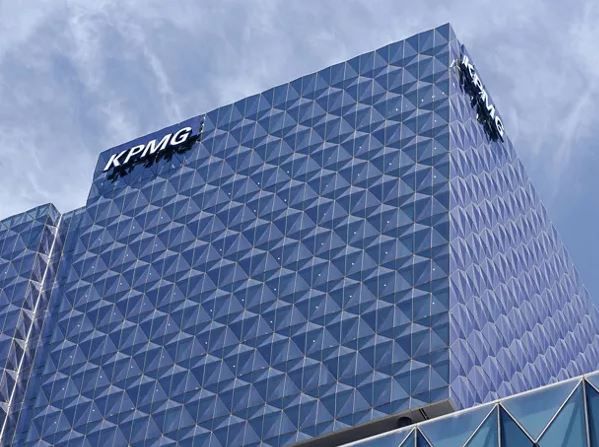
The trigger for this regulatory reckoning extends back to the PwC tax leaks scandal of 2023, an affair that exposed how the firm had systematically shared confidential government policy information with prospective private-sector clients to secure lucrative contracts. That bombshell prompted parliamentary inquiries that produced numerous recommendations, most of which have languished unimplemented. More recently, KPMG has found itself ensnared in a separate controversy involving allegations that it shared confidential company information with prospective clients pursuing auditing work, suggesting the problems identified in 2023 were not isolated incidents but symptomatic of deeper institutional rot.
These scandals have intersected with a broader erosion of professional standards that has damaged the reputation of Australia's accounting establishment. The repeated discovery of ethical violations has prompted serious questions about whether existing regulatory mechanisms can adequately protect the public interest, or whether more muscular intervention is necessary. The Treasury's willingness to contemplate breakup scenarios indicates that senior officials no longer view incremental reforms as sufficient remedies.
The Big Four firms have adopted a cautiously welcoming posture toward the consultation, with most signalling openness to engagement while stopping short of endorsing any specific option. Deloitte released a statement indicating support for measures that would strengthen professional trust, while EY's Oceania chief David Larocca expressed willingness to engage constructively with proposals from the options paper. PwC framed the consultation as an opportunity to rebuild industry credibility, noting that the firm has undergone significant transformation in recent years. KPMG, facing its own immediate reputational challenges, declined to comment immediately on the proposals.
For Malaysian and Southeast Asian observers, the Australian debate carries instructive weight regarding how mid-sized democracies approach professional services regulation. Malaysia's own accounting sector operates within a regulatory environment shaped by the Malaysian Institute of Accountants and the Audit Oversight Board, and the Australian experience may prompt reflection about whether similar vulnerabilities exist locally. The concentration of audit and consulting services within a handful of multinational firms is a phenomenon affecting Southeast Asia broadly, and regulatory innovations in one major economy frequently influence approaches elsewhere in the region.
The consultation process closing on August 12 will determine whether Australia ultimately pursues structural reform or opts for less disruptive regulatory modifications. However, the very fact that the government has published detailed options for breaking up these firms signals a fundamental shift in political appetite for constraint. The era of self-regulation and state-based oversight in Australia's accounting profession appears to be drawing to a close, replaced by a framework that treats these firms as systemically important entities requiring federal supervision comparable to banks and financial institutions.

