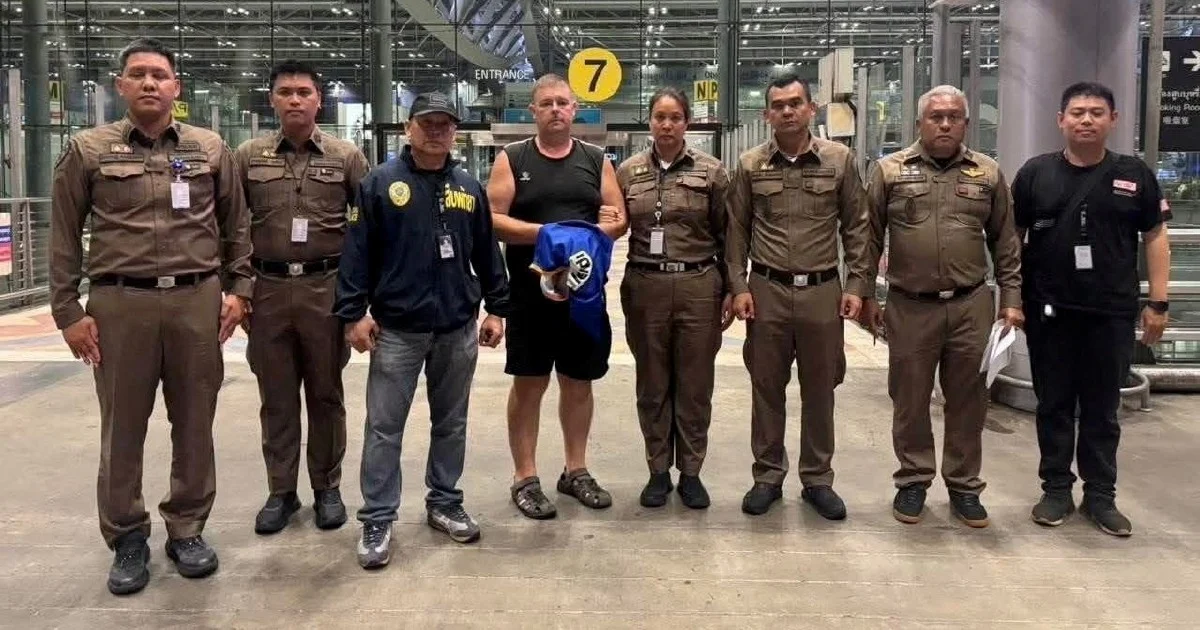
The family of a 17-year-old Thai girl whose body was discovered inside a suitcase in Pattaya is reeling from the shock of her sudden and brutal death. An Australian man has been arrested in connection with the incident and now faces serious criminal charges of murder, intensifying scrutiny on how foreign nationals in Thailand's notorious beach resort destinations interact with young Thai women.
The discovery of the teenager's remains sent shockwaves through Pattaya, the sprawling coastal city in Rayong province that draws millions of international visitors each year. Located approximately 150 kilometres southeast of Bangkok, Pattaya has long struggled with issues surrounding exploitation and trafficking, despite extensive efforts by Thai authorities to crack down on criminal activity. The circumstances surrounding this particular case underscore the vulnerability of young Thai girls and the dangers they face in tourist-heavy areas where law enforcement presence sometimes proves insufficient.
Details surrounding the arrest reveal the gravity with which Thai investigators have approached the matter. The Australian detainee is currently in custody pending formal charges, and Thai police have begun building their case with assistance from forensic specialists. The decision to charge with murder rather than lesser offences indicates that investigators have gathered substantial evidence pointing to intentional and unlawful killing.
For the family, the anguish extends beyond the loss itself. The manner in which their daughter was discovered—hidden away in luggage rather than receiving proper funeral rites—adds another dimension of psychological trauma. In Thai culture, treatment of the deceased carries deep spiritual and familial significance, making the callous disrespect shown to the victim's remains a compounded violation that will resonate throughout the grieving process.
The case highlights ongoing challenges Thailand faces in protecting its citizens, particularly vulnerable youth in areas heavily dependent on tourism revenue. Pattaya, once a quiet fishing village before transformation into a major international resort, has expanded rapidly without corresponding investment in comprehensive social support systems for at-risk young people. Poverty, limited educational opportunities, and family instability in surrounding provinces push some teenagers toward the city in search of income, where they encounter predatory individuals who exploit their desperation.
Australian officials will likely coordinate with Thai counterparts as legal proceedings advance. Extradition protocols and consular support arrangements typically come into play when foreign nationals face serious charges abroad. The involvement of an Australian citizen also draws attention to how various countries' nationals operate within Thailand's tourist ecosystem and whether their home governments adequately warn citizens about criminal liability under Thai law.
Thailand's criminal justice system has faced international criticism regarding case handling and witness protection, though homicide investigations typically receive elevated attention from senior law enforcement officials. The suitcase discovery method suggests premeditation and deliberate effort to conceal evidence, factors that prosecutors will emphasise when building their case. Forensic examination of the luggage and surrounding crime scene will prove crucial in establishing the precise sequence of events.
The tragedy serves as a grim reminder of risks that extend beyond the sanitised tourism experience promoted by resorts and travel agencies. Behind Pattaya's neon-lit entertainment districts and luxury hotels exists a parallel reality where economic inequality and lax enforcement create conditions enabling violence against marginalised populations. Young Thai women without stable family structures or adequate income often find themselves in exploitative situations with few recourse options.
Community organisations and human rights groups operating in Thailand have long advocated for enhanced victim support services and better coordination between tourism authorities and social welfare agencies. This case may reignite discussions about whether Thailand's regulatory framework adequately protects vulnerable young people or whether additional safeguards are needed in beach resort destinations.
As the investigation progresses, the Australian man's defence team will likely present their own version of events. Thai courts will weigh evidence and testimony to determine guilt beyond reasonable doubt. Regardless of the trial's outcome, the broader tragedy encompasses not only the loss of a young life but also the systemic failures that allowed such circumstances to develop.
The family's grief carries implications beyond their household. It represents the collective anguish of communities throughout Thailand where similar vulnerabilities persist. International attention to this case may pressure Thai authorities to demonstrate commitment to criminal justice processes that deliver justice while simultaneously addressing the root causes of exploitation that make tragedies like this possible in the first place.

