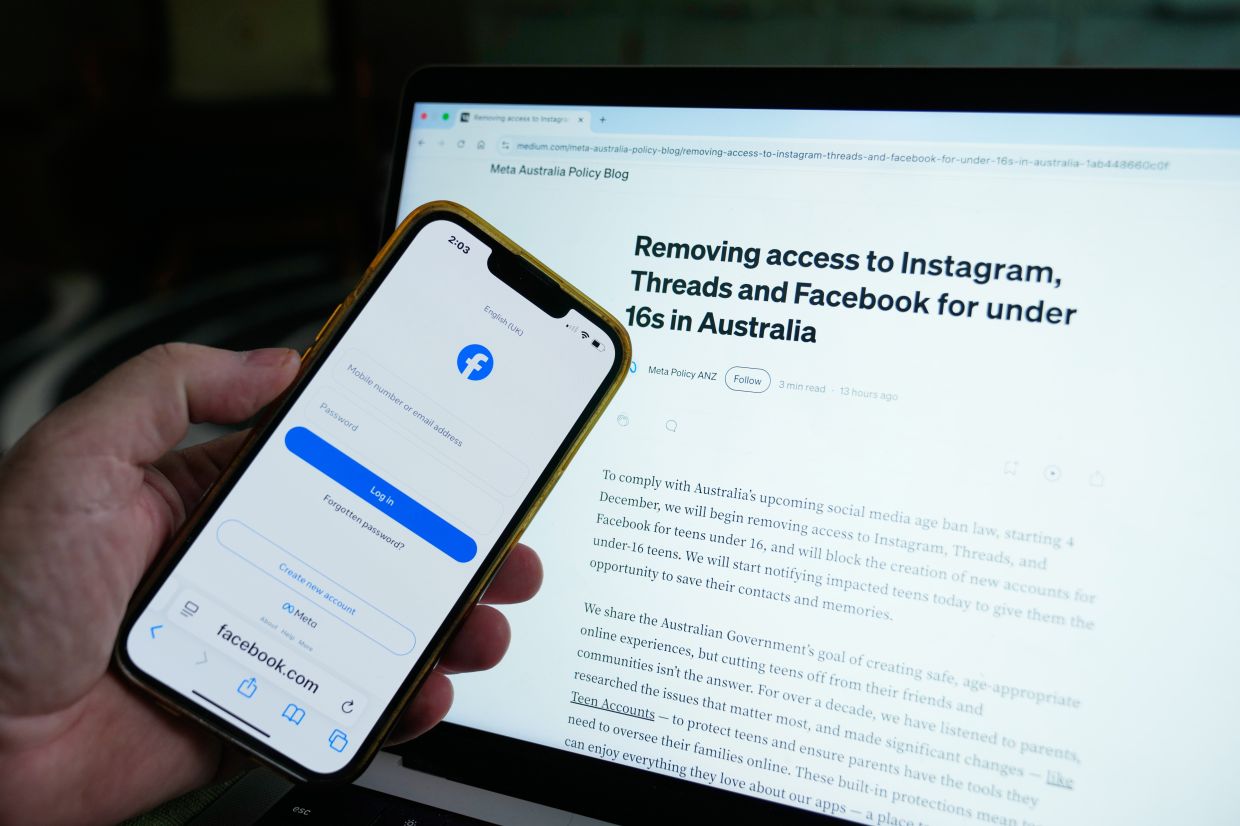
Australia's prime minister has denounced the referral of critical enforcement amendments to parliamentary inquiry, warning that the delay will enable social media platforms to erase documentation of their non-compliance with the nation's landmark ban on accounts for children under 16. The amendments, introduced to Parliament this week, seek to significantly expand the investigative arsenal available to eSafety Commissioner Julie Inman Grant, who oversees Australia's online safety framework. These changes would authorise the commissioner to compel platforms to produce documents and detailed information about their age-verification systems and compliance efforts—powers currently limited to information demands alone. Prime Minister Anthony Albanese expressed particular frustration with the Senate referral, emphasising that once legislation passes, the date it becomes law marks the point from which the commissioner can begin issuing enforcement demands and subsequently levy financial penalties against non-compliant platforms.
The delay represents a significant procedural setback for a government dealing with widespread implementation failures of its ambitious social media restrictions, which came into effect in December after receiving overwhelming parliamentary support in 2024. The coalition Liberal Party and the Greens party jointly referred the draft legislation to an eight-week Senate inquiry on July 2, a move that effectively postpones consideration until September. This procedural tactic carries particular significance because the centre-left Labour government lacks Senate control, rendering it vulnerable to obstruction by the combined conservative and minor-party opposition. The government fears that this extended timeline will afford digital platforms ample opportunity to purge records and communications that might otherwise serve as evidence of their failure to comply with the ban, potentially undermining future enforcement action and financial penalties.
The proposed amendments would substantially heighten regulatory pressure on non-compliant platforms by doubling maximum penalties to A$99 million (US$68 million or approximately RM276.56 million) for companies demonstrating inadequate compliance efforts. Beyond penalty escalation, the legislation would grant the commissioner unprecedented authority to demand information from third-party providers—particularly age assurance technology vendors—enabling independent verification of platform claims regarding their technical efforts to prevent underage access. This expanded investigative power addresses a critical gap in the current regulatory framework, where platforms have made various claims about their compliance mechanisms without meaningful independent oversight capacity. The amendments represent an incremental but significant tightening of enforcement infrastructure, though debate continues about whether they address fundamental design flaws in the original legislation.
However, opposition voices argue that the amendments remain insufficiently robust to address systemic failures in the ban's implementation. Liberal communications spokesperson Senator Sarah Henderson characterised the original legislation as "a half-baked law which is poorly designed, which was rushed, which is badly implemented and which is not working," contending that the proposed amendments themselves require strengthening before parliamentary passage. Her commentary reflects frustration not merely with government policy but with the fundamental structural inadequacies that have plagued the ban since its inception. Even within the Greens party, which has consistently opposed the entire social media restriction framework, skepticism prevails regarding the effectiveness of increased penalties. Senator David Shoebridge questioned the meaningfulness of doubling fines that have never been issued in practice, arguing that escalated financial penalties represent a superficial response to deeper problems that threaten child safety online.
The credibility of enforcement mechanisms faces serious challenges based on implementation data gathered over the ban's first seven months of operation. While the government initially reported that more than five million child accounts were removed, deactivated, or restricted following the December commencement of the ban, subsequent monitoring by the eSafety Commissioner revealed far more troubling patterns. A March report indicated that seven in ten children who possessed accounts on restricted platforms on December 10 when the ban took effect remained active on Facebook, Instagram, Snapchat, and TikTok. These figures demonstrate that the platforms' age-verification systems and enforcement mechanisms have proven substantially ineffective, allowing the vast majority of underage users to retain access through various circumvention techniques including false age declarations and account manipulation.
This implementation failure has prompted the commissioner to contemplate legal proceedings against the major non-compliant platforms. In April, Inman Grant indicated that she was considering court action against Facebook, Instagram, YouTube, and TikTok, alleging they had neglected to exercise reasonable efforts in excluding child users from their services. The threshold of "reasonable steps"—a concept central to the legislation—has emerged as contentious precisely because platforms have deployed token compliance measures that appear designed to generate statistical compliance claims rather than meaningfully restrict access. Simultaneously, Inman Grant reported satisfaction with implementation progress on alternative platforms including X, Kick, Reddit, Threads, and Twitch, suggesting that compliance outcomes vary considerably across the digital ecosystem. This uneven enforcement landscape underscores both the technical complexities of age verification at scale and the varying institutional capacities different platforms bring to compliance challenges.
Communications Minister Anika Wells confirmed in Parliament that monthly updates from the eSafety Commissioner since March have consistently indicated stagnation rather than improvement in platform compliance metrics. This persistent failure to achieve meaningful implementation progress within seven months of the ban's commencement has prompted heightened urgency around enforcement powers, creating the government's justification for the proposed amendments. The legislative delay now confronting these amendments occurs within a context of mounting evidence that current enforcement powers have proven inadequate to compel platform compliance with the ban's fundamental objectives. The Senate inquiry process, while potentially providing opportunity for careful legislative scrutiny, simultaneously creates windows for platforms to take actions—including the deletion of documentary evidence—that would impede future enforcement proceedings.
The Australian situation carries particular significance for regional jurisdictions monitoring similar regulatory approaches to youth online safety. Many countries throughout Southeast Asia and the Asia-Pacific region have observed Australia's implementation experience with considerable interest, seeking lessons regarding the feasibility of comprehensive age-based platform restrictions. The substantial gap between statutory ban provisions and actual enforcement outcomes has complicated the instructional value of the Australian case, demonstrating that legislative design represents merely the preliminary phase of a complex multi-year implementation process. Malaysia and other regional nations evaluating comparable restrictions must contend with not merely legislative drafting but the sustained institutional capacity required for meaningful platform compliance across diverse digital contexts. The Australian experience illuminates both the theoretical promise and practical challenges of legislatively mandating technology platforms to exclude users based on age, a distinction that regional policymakers would be prudent to incorporate into their own regulatory deliberations.

