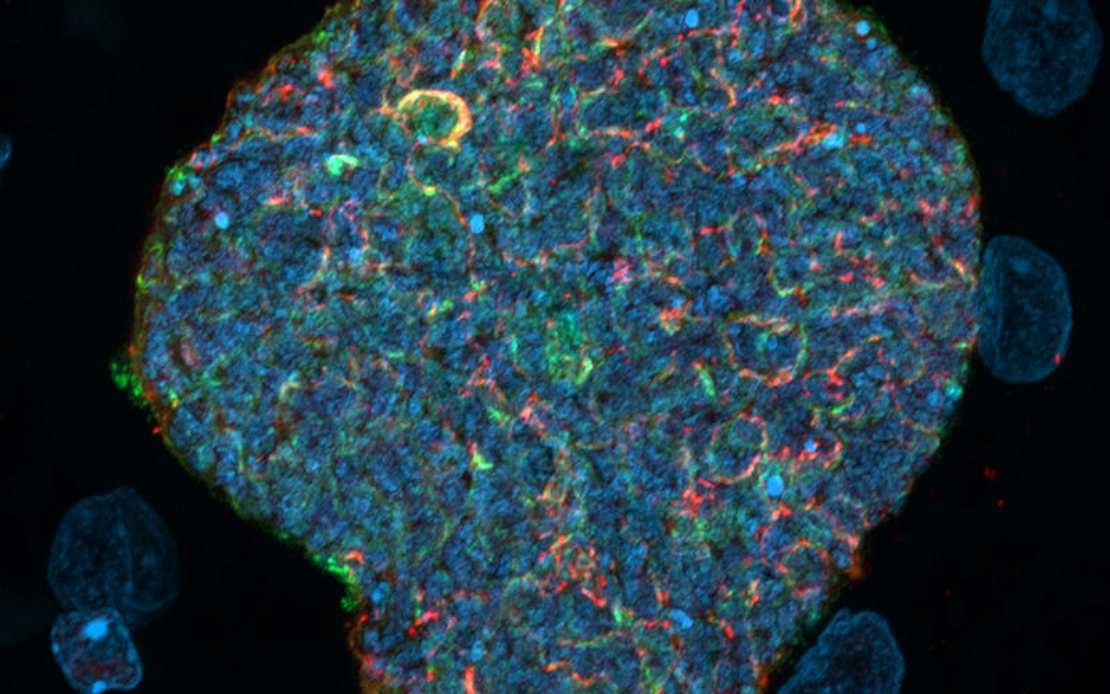
Scientists at Australia's Walter and Eliza Hall Institute of Medical Research have unveiled a groundbreaking approach to malaria prevention that fundamentally reimagines how the disease might be controlled in tropical and subtropical regions where it remains endemic. Rather than viewing mosquito bites merely as a vector for infection, the research team has developed a vaccination strategy that harnesses these bites to progressively strengthen the body's immune defences against the parasite, reported Xinhua news agency on Friday.
The innovation centres on a novel immunisation method that combines two complementary elements: an initial vaccination phase to prime the immune system, followed by natural reinforcement through subsequent mosquito exposures in endemic areas. This approach represents a departure from conventional vaccination strategies that attempt to eliminate pathogen exposure entirely, instead working with the natural epidemiology of malaria transmission to build cumulative protection.
The cornerstone of this breakthrough involves experimental antimalarial compounds developed collaboratively by the Walter and Eliza Hall Institute and pharmaceutical company MSD. These compounds possess a remarkable capability: they can intercept malaria parasites at a critical juncture in their lifecycle, specifically during the late liver stage, just before the organisms would breach into the bloodstream and initiate symptomatic disease. By trapping parasites at this vulnerable point, the compounds allow the immune system to mount a vigorous response that generates lasting protection without the patient experiencing clinical malaria.
The mechanism underlying this strategy offers compelling advantages for malaria-endemic regions, particularly across Southeast Asia and sub-Saharan Africa where transmission remains persistent. Once the initial vaccination establishes baseline immunity, each naturally occurring mosquito bite in endemic areas effectively functions as a booster dose, progressively strengthening the immune response without requiring deliberate intervention. This "vaccinate and boost naturally" paradigm could significantly reduce the burden of maintaining regular vaccination schedules in resource-constrained healthcare systems.
For Malaysia and the broader Southeast Asian region, where malaria persists in remote forested areas despite significant progress in elimination efforts, this approach holds considerable promise. Countries like Malaysia that have achieved substantial control but face ongoing transmission in indigenous populations could potentially leverage this strategy to achieve durable immunity in vulnerable communities while minimising the need for repeated clinical interventions.
The researchers have advanced their findings beyond theoretical demonstration; they are currently developing a long-acting injectable formulation based on the investigational compounds. This pharmaceutical form would deliver the necessary priming dose and potentially extend protection through sustained drug release, combining the benefits of conventional vaccination with the natural booster effect of endemic transmission. The preclinical development stage indicates that clinical trials may follow within the foreseeable future.
The global burden of malaria underscores the urgency of such innovations. The World Health Organisation recorded approximately 610,000 deaths attributable to malaria worldwide in 2024, a sobering figure that reflects the disease's continued devastation despite existing control measures. While artemisinin-based combination therapies have transformed treatment outcomes and insecticide-treated nets have reduced transmission, a vaccine approach that works synergistically with endemic transmission patterns could provide an additional critical tool.
This research also addresses a persistent challenge in malaria vaccine development: the need for sustained protection in populations with continuous exposure. Traditional vaccines often show waning immunity over time, requiring periodic boosters that may be difficult to deliver in remote endemic areas. By transforming endemic transmission itself into the booster mechanism, this approach elegantly circumvents that logistical obstacle while maintaining immunological pressure against the parasite.
The collaboration between the Walter and Eliza Hall Institute and MSD exemplifies the international scientific cooperation necessary to combat diseases of global health significance. Such partnerships leverage Australia's research excellence with pharmaceutical expertise required for drug development and commercialisation, creating a pathway from laboratory discovery to practical implementation in endemic regions.
Looking forward, successful clinical trials could fundamentally reshape malaria control strategies across the tropics and subtropics. Rather than viewing indigenous transmission as purely a threat requiring elimination, health authorities might strategically harness natural transmission patterns to maintain population immunity in areas where elimination remains impractical. This represents a subtle but significant philosophical shift in disease management—from attempting to eradicate all exposure to strategically managing exposure for protective benefit.
The pathway to implementation remains complex, requiring not only scientific validation but also regulatory approval and equitable access mechanisms ensuring that populations in resource-limited endemic countries can benefit from the innovation. Nevertheless, the potential to transform mosquito bites from harbingers of infection into instruments of protection represents a promising frontier in global malaria control efforts.

