Researchers at Edith Cowan University in Western Australia have made a significant discovery that could reshape the region's energy landscape: magnetite, an iron oxide mineral abundant in the state's vast iron ore deposits, can generate hydrogen gas through reactions with hot water occurring naturally deep beneath the Earth's surface. This finding represents a pivotal moment for the global search for low-emission energy alternatives, particularly for a state whose economy has long been tied to resource extraction. The research team from ECU's School of Engineering has demonstrated that these underground chemical processes, occurring under specific temperature and pressure conditions, could be harnessed to produce hydrogen—a fuel increasingly sought after as nations transition away from fossil fuels.
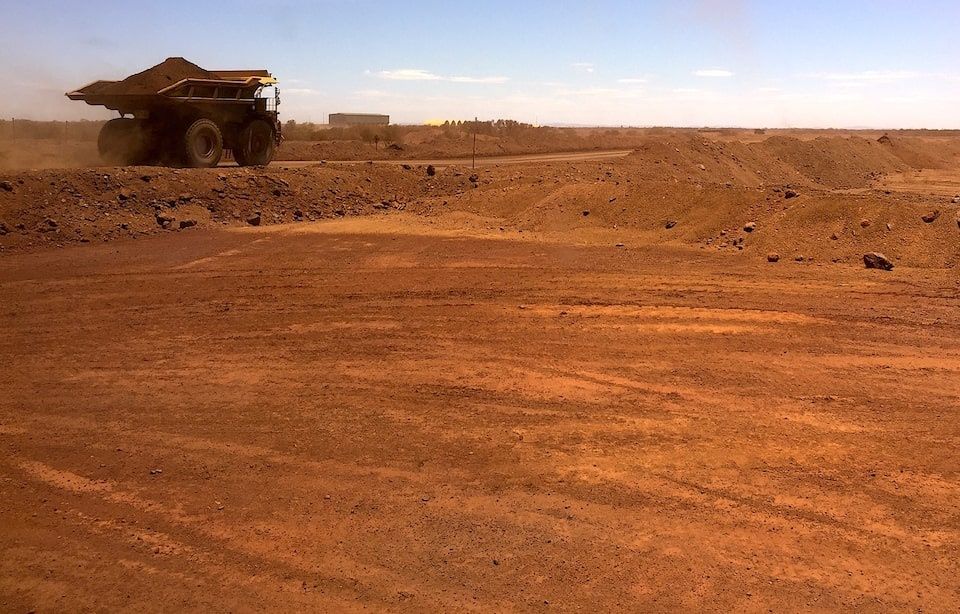
The mechanism underlying this discovery centres on the interaction between magnetite and water at elevated temperatures in the subsurface environment. When hot water comes into contact with fresh magnetite mineral surfaces deep underground, a chemical reaction occurs that liberates hydrogen gas. Western Australia's geological profile makes it particularly suited to this type of natural hydrogen generation, given that the state contains some of the world's largest banded iron formations—layered deposits of iron-rich minerals that accumulated billions of years ago. These formations, which lie beneath the distinctive red soil characteristic of much of the Pilbara and other regions, represent an enormous potential resource that until now has been primarily valued for conventional iron ore mining.
To validate their hypothesis and understand the parameters governing hydrogen production, the ECU research team conducted controlled laboratory experiments that simulated the extreme conditions found kilometres below the surface. They exposed samples of magnetite to water at temperatures reaching 200 degrees Celsius while maintaining high pressure conditions for a sustained 60-day period. This extended timeframe allowed the researchers to observe how the mineral-water interaction progressed and to gather sufficient data on hydrogen yield. The experimental design effectively recreated the geological environment where these natural processes occur, lending credibility to the team's findings and providing a foundation for further investigation into commercial viability.
The results of this research, published in the International Journal of Hydrogen Energy, reveal important nuances about how natural hydrogen formation operates at scale. The quantity of hydrogen produced is not determined solely by the abundance of magnetite present in a given location. Rather, the study found that the accessibility of water to fresh mineral surfaces plays an equally critical role in sustaining production rates. This accessibility is governed by the geological structure of the formations themselves—specifically the existence of fractures, pores, and permeable pathways through which water can percolate and repeatedly encounter unaltered mineral surfaces. Understanding this relationship between mineral availability and water access is essential for assessing which locations within Western Australia's iron formations might be most productive for natural hydrogen extraction.
The implications of this research extend beyond pure scientific interest into the practical realm of energy policy and resource development. Natural hydrogen sources could complement existing renewable energy infrastructure by providing a stored, dispatchable form of clean energy—a significant advantage over intermittent solar and wind generation. For Western Australia, a state with extensive expertise in large-scale resource extraction and processing, the development of natural hydrogen production could represent an evolution of existing industrial capabilities rather than an entirely new departure. The region's existing mining infrastructure, geological knowledge, and technical workforce could be redirected toward hydrogen production with relative efficiency.
From a Southeast Asian perspective, this development carries noteworthy strategic implications. As ASEAN nations grapple with energy security challenges and climate commitments, the discovery of natural hydrogen sources in a neighbouring region influences regional energy dynamics. Australia has already positioned itself as a potential hydrogen exporter through green hydrogen projects, and the existence of natural hydrogen sources could substantially alter the economics and feasibility of this export vision. Malaysia and other regional economies investing in hydrogen fuel cell technology and infrastructure could potentially benefit from diversified hydrogen supply sources, reducing reliance on a single production method or supplier.
The research team's findings regarding the importance of geological permeability also suggest that not all iron ore deposits are equally suitable for hydrogen production. This creates opportunities for more targeted exploration and assessment of specific formations across Western Australia. Companies and research institutions may now focus on mapping the precise locations where mineral abundance coincides with optimal water access conditions, potentially leading to a more strategic approach to future resource development decisions in the state. This knowledge could help prioritise which areas warrant investment in pilot projects and demonstration facilities.
The publication of these findings in a peer-reviewed international journal represents an important validation of the research methodology and results, inviting scrutiny and replication from the global scientific community. The next logical steps involve scaling up from laboratory experiments to field-based demonstrations that test whether the observed hydrogen-generating processes can function reliably and economically at commercial scale. Such pilot projects would need to contend with practical challenges including drilling costs, water source reliability, and the engineering systems required to capture and utilize the hydrogen produced.
Looking forward, the discovery opens multiple research pathways. Scientists must better understand the long-term sustainability of natural hydrogen production from a single location, the environmental impacts of extracting hydrogen through water injection, and the optimal operational parameters for maximizing yield. These questions will occupy researchers over the coming years as the field develops from laboratory curiosity to potential industrial reality. For Western Australia, this research potentially positions the state as a pioneer in a novel energy sector that could complement its traditional mining economy and provide new impetus for industrial development centred on clean energy.

