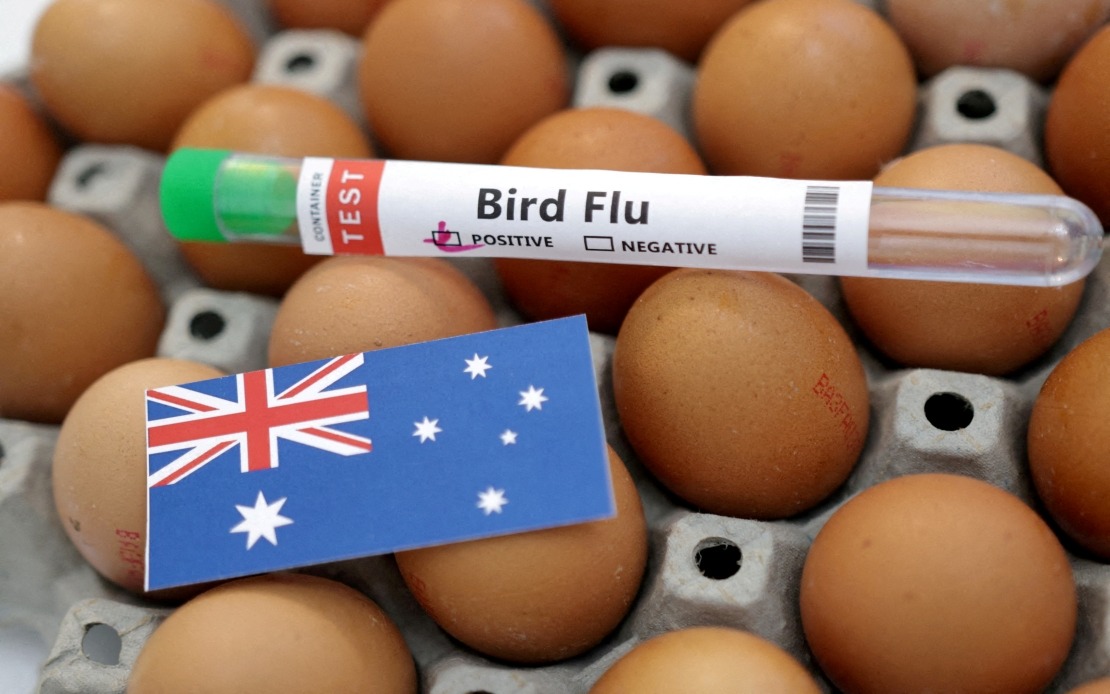
Australia's bird flu crisis has intensified dramatically, with confirmed and suspected H5N1 cases now surpassing 200 across the country. The federal Department of Agriculture, Fisheries and Forestry reported 203 cases as of Saturday, marking a critical escalation in a disease outbreak that has spread rapidly through wild seabird populations and threatens the nation's poultry industry.
The acceleration of the outbreak has been particularly alarming when viewed against the timeline of just the past month. Australia recorded only 52 cases by the end of July, meaning the number of infections has jumped nearly 290 per cent within August alone. This dramatic surge underscores how quickly the H5N1 strain can propagate through bird populations, a concern that extends beyond Australia to neighbouring countries in the Asia-Pacific region, where poultry farming underpins rural livelihoods across countries like Malaysia, Thailand, and Indonesia.
South Australia has emerged as the outbreak's epicentre, accounting for nearly three-quarters of all cases with 147 infections documented so far. On a single day, authorities confirmed 28 additional cases in the state, all involving wild seabirds. The concentration of cases in South Australia suggests that certain environmental or ecological factors in the region may be facilitating transmission among seabird populations, which often congregate in coastal areas and waterways where the virus spreads more readily.
Victoria, Australia's second-most affected state, has recorded 43 cases to date. The sudden detection of 36 birds in a single reporting period—confirmed on Thursday and Friday—demonstrates how swiftly the virus can be identified once surveillance systems locate infected animals. These infections were discovered in Victoria's western regions near the border with South Australia, indicating the outbreak is not contained within state boundaries and may continue migrating along natural migration routes and geographic corridors.
Recognising the escalating threat to commercial poultry operations, the Victorian government moved decisively on Friday to introduce mandatory housing requirements. Under the new directive, all poultry producers along the state's southern coast and metropolitan Melbourne with flocks of 50 birds or more must house their birds indoors for a minimum of 14 days. This preventive measure represents a shift from monitoring to active intervention, designed to create physical barriers that isolate domestic poultry from contact with wild birds carrying the virus.
Victorian Agriculture Minister Michaela Settle framed the housing requirement as a precautionary step intended to shield the poultry sector from the spreading H5N1 strain. The rationale is straightforward: by confining birds to enclosed spaces, authorities reduce the likelihood of direct contact with infected wild seabirds or contaminated environments. The 14-day initial period allows time for the outbreak situation to be reassessed before potentially easing restrictions, though this timeframe may be extended if the viral spread continues unchecked.
The strategic focus on poultry producers with substantial flocks reflects the potential economic damage that widespread avian influenza can inflict on the agricultural sector. Large-scale farm closures and mass culling operations have historically devastated poultry industries across Asia and Europe. By targeting operations with 50 or more birds, authorities are prioritizing the protection of commercial viability while acknowledging that smaller backyard operations may present lower transmission risks.
For Malaysia and other Southeast Asian nations, Australia's escalating outbreak carries important implications. The region's densely concentrated poultry farming, combined with significant bird migration patterns and frequent trade in poultry products, creates conditions where avian influenza can spread rapidly across borders. Australia's outbreak demonstrates that even developed nations with sophisticated veterinary surveillance systems can face rapid viral escalation, underscoring the need for heightened vigilance throughout Southeast Asia's farming communities.
The shift from wild bird monitoring to mandatory farming restrictions also signals how health authorities worldwide are recalibrating their response strategies as H5N1 circulates more widely. Rather than relying solely on detecting cases in wild populations, governments increasingly recognize the need for proactive measures in domestic poultry operations. Malaysia's agricultural authorities may draw lessons from Victoria's approach as they consider whether similar precautionary measures should be implemented domestically.
The coming weeks will be critical in determining whether Victoria's containment measures prove effective in halting transmission to domestic flocks. Should the outbreak breach commercial poultry operations, the economic and food security consequences could extend far beyond Australia. Regional supply chains, trade relationships, and consumer confidence in poultry products could all face disruption, making this an issue of genuine concern not only to Australian farmers but to the broader Indo-Pacific region's agricultural stability and food systems.

