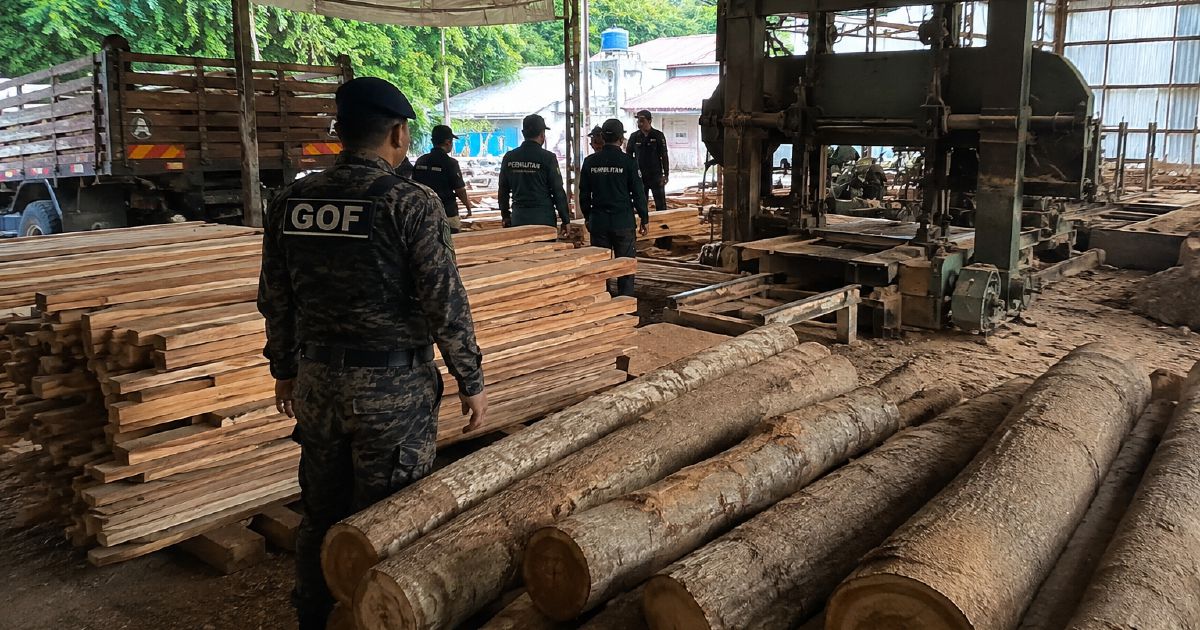
The General Operations Force mounted a comprehensive enforcement operation against an unauthorised sawmill operation in Kuala Berang, Terengganu, resulting in the confiscation of substantial quantities of timber and industrial equipment totalling RM640,510 in estimated value. The raid also led to the arrest of a 20-year-old individual believed to be operating the facility.
The seizure represents a significant crackdown on illicit timber processing activities in the state, which has long been a concern for Malaysian environmental and resource management authorities. The Kuala Berang area, located in the heart of Terengganu's timber-rich region, has been a focal point for monitoring and enforcement operations targeting unauthorised logging and milling operations that operate outside established regulatory frameworks.
Timber confiscation operations of this scale underscore the ongoing tension between resource extraction pressures and sustainable forestry management in Malaysia. The RM640,510 valuation encompasses both the raw materials and the processing infrastructure seized during the raid, indicating a relatively substantial operation was being conducted at the location. Such enforcement actions typically target operations suspected of sourcing timber without proper permits, failing to comply with environmental assessments, or processing materials in breach of forestry regulations.
The arrest of the 20-year-old operator raises questions about how individuals establish and manage unauthorised sawmill operations. Sawmill facilities require considerable equipment investment and technical knowledge, suggesting either prior experience in the timber industry or involvement with larger networks facilitating such operations. Investigators will likely examine the supply chain behind the timber and the distribution networks for processed materials to determine the full scope of the operation.
Terengganu's timber sector has historically generated significant revenue but has also been the subject of environmental scrutiny and resource management debates. The state's forests represent critical ecosystems and a regulated economic resource requiring careful stewardship. Illegal or unregulated sawmill operations undermine both conservation objectives and the interests of legitimate timber operators who comply with licensing and environmental requirements.
Enforcement operations by the General Operations Force reflect the broader Malaysian government commitment to monitoring natural resource extraction and preventing unauthorised commercial activities in sensitive sectors. These raids form part of routine compliance verification across major timber-processing regions, though the frequency and scale of such seizures vary depending on detected violations and intelligence-led operations.
The implications of such enforcement extend beyond the immediate seizure. For legitimate timber operators and industry stakeholders, these actions theoretically level the playing field by removing competitors operating without licensing costs and regulatory compliance expenses. However, the persistence of unauthorised operations suggests either inadequate deterrence levels or demand dynamics favouring cheaper, unregulated supply chains.
The detained individual will likely face charges under forestry and resource management legislation, potentially including unauthorised timber processing, operating without permits, or related environmental law violations. The severity of charges will depend on evidence of intent, the scope of the operation, and whether connections to larger trafficking networks emerge during investigation. Penalties can range from substantial fines to imprisonment, depending on applicable statutes and the prosecution's case strength.
Regionally, timber sector enforcement remains an important issue across Southeast Asia, where transnational timber trafficking and illegal logging continue despite international agreements and domestic regulatory efforts. Malaysia's own enforcement record influences regional discussions about resource governance and sustainability. High-profile seizures like this one contribute to institutional credibility and demonstrate active monitoring, though critics argue enforcement gaps remain significant.
For Malaysian forest communities and indigenous groups whose traditional territories often overlap with timber concessions and enforcement zones, such operations carry complex implications. While crackdowns on unauthorised extraction theoretically protect forest resources, the enforcement apparatus itself has occasionally been associated with concerns regarding consultation and local rights recognition.
The Kuala Berang operation also highlights technological and capacity requirements for effective enforcement. Identifying unauthorised facilities, establishing legal grounds for intervention, and executing successful raids require coordination, intelligence gathering, and resources that remain strained across some Malaysian jurisdictions. The General Operations Force's involvement indicates perception of significant rule violation warranting deployment of specialised personnel.
Government authorities will likely utilise this case as part of wider messaging around resource management commitment. Press releases and public statements accompanying enforcement actions serve multiple audiences: deterring potential violators, reassuring legitimate industry participants of competitive fairness, and signalling to international observers Malaysia's regulatory compliance efforts.

