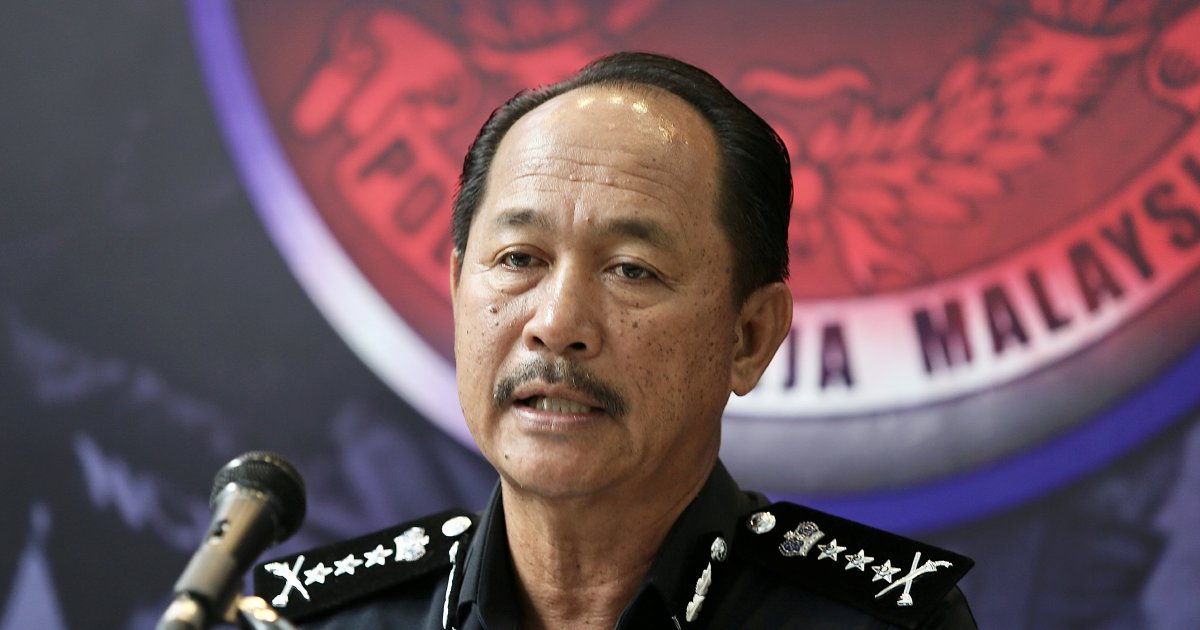
Authorities in Sabah have launched a comprehensive investigation into a tragic incident in Kampung Weston, Beaufort that claimed the lives of three police officers. The Royal Malaysia Police have formally opened an investigation paper to systematically examine the circumstances leading to the deaths, which occurred in the rural village within the southwestern district of Sabah.
Kota Kinabalu police headquarters confirmed that autopsies are being conducted on the deceased officers to establish the precise cause of death. This standard forensic procedure is critical in determining whether the deaths resulted from natural causes, accidental circumstances, or other factors. The pathological examination represents the first concrete step toward understanding what transpired at the incident site.
The location of the incident—Kampung Weston in Beaufort—is situated in one of Sabah's interior districts, an area where policing operations can be challenging due to terrain and accessibility. The involvement of three officers in a single incident underscores the severity of whatever circumstances unfolded, raising questions about the nature of their duties at that location on the day in question.
Beaufort district, located approximately 150 kilometres south of the state capital Kota Kinabalu, has historically experienced various law enforcement challenges ranging from human trafficking concerns to border security issues. The district's proximity to the Brunei border and its relatively remote character mean police operations there often involve navigating complex geographical and administrative terrain. The loss of three officers in a single incident represents a significant blow to local law enforcement capacity in the region.
The police investigation will likely examine multiple dimensions of the incident, including communications records, witness statements from colleagues, and the environmental conditions at Kampung Weston at the time of the deaths. Investigators will also need to determine whether the officers were engaged in a specific operation, routine patrol, or other official duty that may have contributed to the tragedy.
For Sabah's law enforcement community, this incident carries considerable weight. The state police force has faced increasing operational pressures in recent years, balancing internal security concerns with community policing responsibilities. The deaths of three officers simultaneously will inevitably prompt internal reviews of operational procedures and safety protocols across the department.
The families of the deceased officers face profound loss, and the police institution itself confronts difficult questions about what safeguards could prevent similar tragedies. The formal investigation process, while necessary, may take considerable time to yield definitive answers, potentially leaving uncertainties that affect departmental morale and public confidence in police operations.
Under Malaysian law and police protocol, such investigations involving officer deaths are treated with particular urgency and thoroughness. Senior officials typically become directly involved in overseeing the inquiry to ensure transparency and that all relevant evidence is properly documented. The investigation will eventually produce a formal report that may influence policy changes or operational modifications within the police force.
The incident also raises broader questions about officer safety, training protocols, and support systems within Sabah's police structure. Whether the deaths resulted from occupational hazards, health emergencies, or other circumstances, the investigation findings will likely inform future conversations about resource allocation and personnel protection in the state's interior regions.
The preliminary nature of the investigation means that details regarding the exact circumstances remain limited. As autopsies progress and preliminary inquiries are conducted, authorities may release additional information that clarifies the sequence of events and contributing factors. Public disclosure of findings will likely balance the need for transparency with respect for the dignity of the deceased and their families.
This tragedy serves as a reminder of the occupational risks inherent in police work throughout Malaysia, particularly in remote or challenging environments. Sabah, with its vast interior regions and limited infrastructure in some areas, presents distinct operational challenges that differ significantly from more urbanised states. The incident underscores the importance of adequate resourcing and risk management in these contexts.

