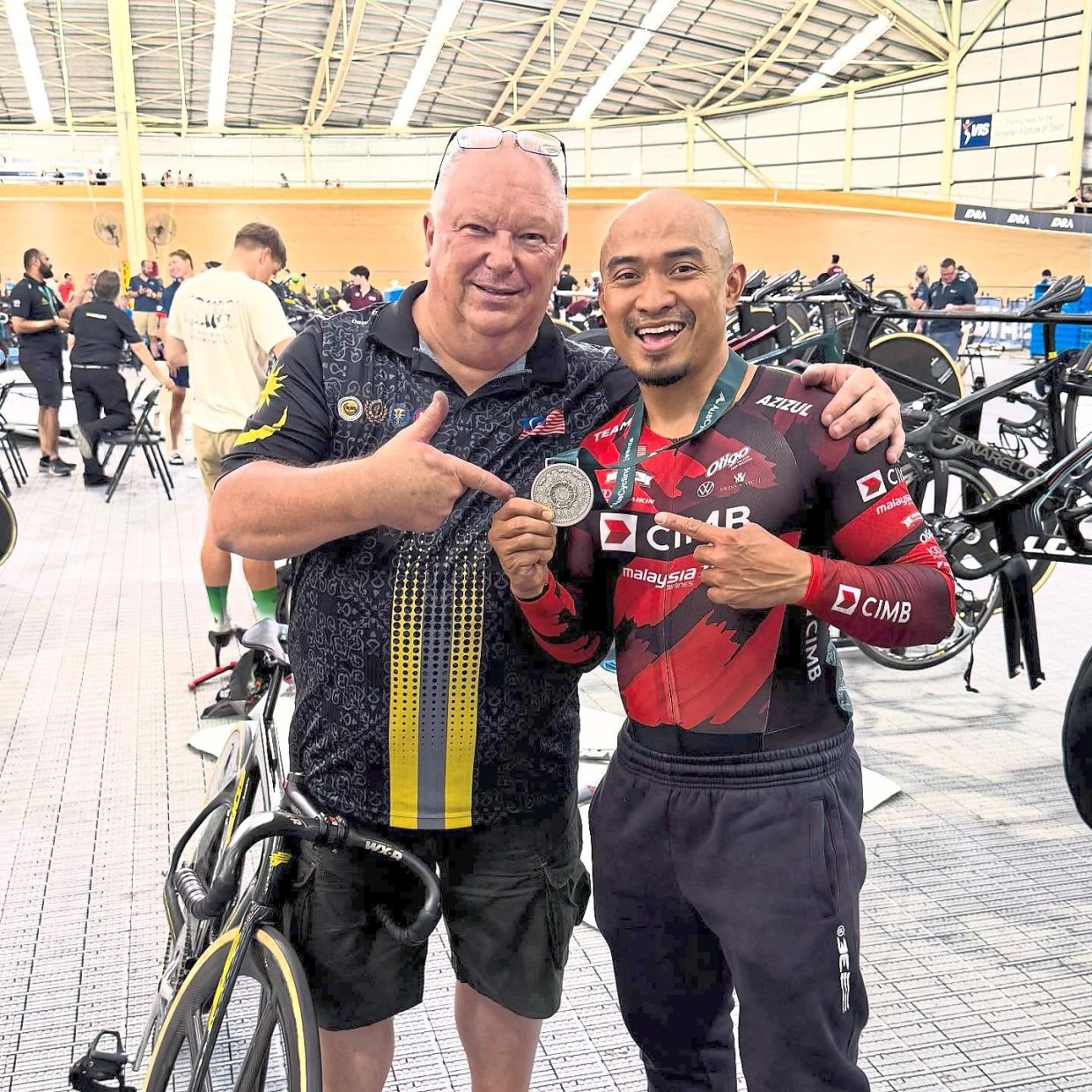
National track cyclist Azizulhasni Awang has stepped into the spotlight by publicly supporting technical director John Beasley, a move he concedes could make him a target for criticism and potential attacks from detractors. The two-time Olympic medallist has nevertheless declared his willingness to absorb whatever consequences may follow, particularly if Malaysia's track cycling team falls short of expectations at the upcoming Commonwealth Games and Asian Games. Azizul's decision to champion Beasley represents a calculated risk rooted in principle, as he seeks to protect a mentor who has shaped Malaysia's cycling programme for two decades.
Understanding the political landscape within Malaysian sports administration, Azizul recognised from the outset that his public stance would likely invite scrutiny and attempts to undermine his credibility. He articulated this awareness with candour, noting that any failure to deliver podium finishes could provide ammunition for critics who might weaponise his comments against him. The athlete's frank assessment reflects the often turbulent nature of Malaysian sporting governance, where loyalty to coaches and administrators can become weaponised when results disappoint. Rather than shy away from this reality, Azizul has chosen transparency, openly acknowledging that his name and reputation could become collateral damage in broader disputes within the cycling community.
Beasley, the Australian technical director, has been instrumental in developing Malaysia's track cycling infrastructure and producing world-class athletes over the past two decades. His contributions have been substantial enough to garner respect from elite performers like Azizul, yet have also apparently attracted criticism from some quarters within the sport's governance structure. The fact that Azizul felt compelled to publicly defend Beasley suggests that behind-the-scenes tensions have reached a point where the athlete felt silence would constitute a form of betrayal. This dynamic underscores how technical expertise and international coaching standards sometimes clash with local administrative preferences or political considerations within national sports bodies.
The Tokyo 2020 Olympic silver medallist grounded his commitment to defending Beasley in spiritual conviction rather than mere pragmatism. Azizul invoked his Islamic faith, expressing confidence that his decisions are guided by divine will and that outcomes ultimately rest with Allah. This spiritual framework appears to provide him psychological armour against the personal and professional uncertainties that arise from taking controversial positions in competitive sports environments. By framing his support for Beasley as an expression of faith rather than a calculated career move, Azizul has positioned himself as acting from principle rather than self-interest—a stance that may resonate with Malaysian audiences who often respect athletes who demonstrate moral courage.
The timing of Azizul's public defence gains significance when viewed alongside upcoming major competitions. The Commonwealth Games and Asian Games represent critical windows for Malaysia to demonstrate its track cycling prowess on regional and international stages. Any disappointing results could easily be weaponised by Beasley's critics, who might argue that the Australian's stewardship has failed to deliver. Conversely, strong performances could vindicate both Beasley and Azizul's faith in his leadership. This creates a high-stakes environment where the cyclist's credibility is directly tied to athletic outcomes beyond his complete control, a common predicament for athletes who publicly align themselves with controversial figures.
The Malaysia National Cycling Federation's disciplinary response provides crucial context for understanding the broader conflict. Recently, MNCF president Datuk Amarjit Singh Gill announced that two individuals from state cycling affiliates would receive show-cause letters for publicly criticising Beasley without exhausting internal administrative channels. This formal action suggests that institutional tensions have escalated beyond private disagreements into open disputes that threaten the federation's public image and operational unity. The disciplinary approach indicates federation leadership's support for Beasley, though it also highlights the existence of meaningful opposition within the cycling ecosystem.
Azizul's declaration that he prefers to defend individuals he believes have genuinely contributed to Malaysian cycling reflects a broader philosophical stance about loyalty and accountability in sports. Rather than remain neutral or opportunistically distance himself from controversy, he has chosen to be counted among Beasley's supporters. This approach carries professional risk, as athletes in Malaysia's sports system are often mindful of how their public statements might affect future selection, sponsorship, or administrative support. The fact that Azizul has chosen principle over self-protection suggests either exceptional confidence in his standing within cycling or a genuine conviction that Beasley's contributions warrant public acknowledgement regardless of personal cost.
The Australian coach's development of Malaysian track cyclists extends beyond individual athlete preparation to include infrastructure improvements and technical standardisation across the programme. Over two decades, this institutional building has created systems and knowledge bases that outlast individual personalities. Understanding this context helps explain why Azizul views defending Beasley as defending something larger than one person—it represents defending the tangible progress that has placed Malaysia among Asia's track cycling competitors. This institutional perspective may help shield Azizul from criticism, as he can argue he is protecting structural achievements rather than merely defending a controversial individual.
Looking forward, Azizul has emphasised that his primary focus remains ensuring smooth preparations for the Commonwealth Games and Asian Games. He has called for unified support from all stakeholders for Malaysian athletes pursuing international success. This strategic repositioning, while remaining loyal to Beasley, attempts to redirect debate from internal disputes toward collective national interest. By framing the conversation around athlete welfare and competitive preparation, Azizul seeks to elevate the discussion beyond personal conflicts. This approach recognises that Malaysian sporting culture often responds positively to athletes who subordinate individual grievances to team and national objectives.
The situation reflects deeper structural challenges within Malaysian sports governance, where technical expertise, administrative authority, and political influence sometimes operate at cross purposes. Beasley's foreign expertise and autonomy may clash with bureaucratic expectations or local preferences, creating friction that surfaces when results disappoint. Azizul's willingness to defend Beasley despite acknowledging the risks suggests he views the coach's continued influence as essential to Malaysian track cycling's future competitiveness. This confidence in Beasley's methods and vision appears sufficiently strong to outweigh the personal vulnerabilities that public loyalty creates in Malaysian sports politics.