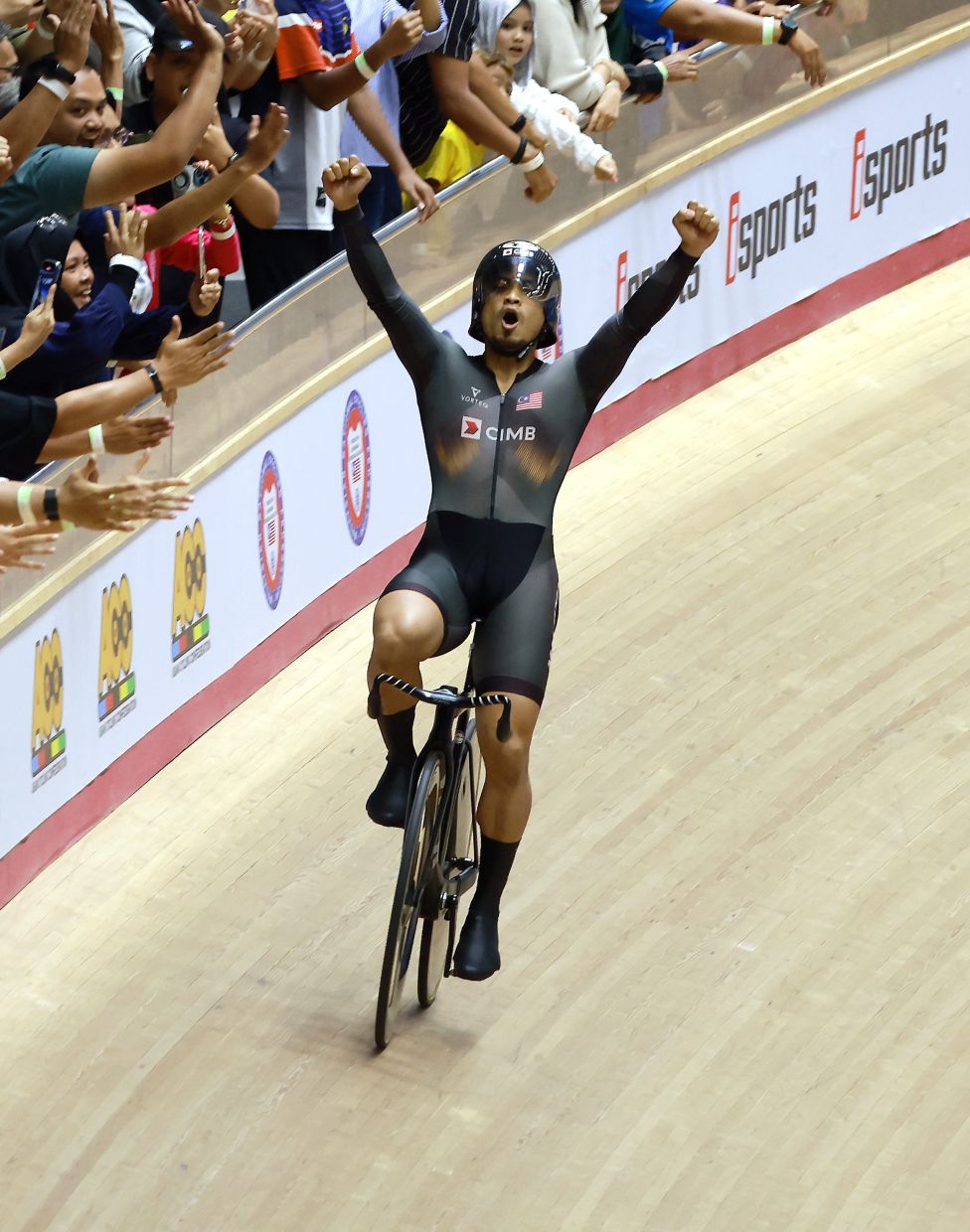
Track cyclist Azizulhasni Awang's emotional response to receiving official confirmation that he will compete for Malaysia at the 2028 Los Angeles Olympics marks the culmination of a frustrating period of uncertainty that had threatened to derail his final Olympic campaign. The 38-year-old veteran broke down in tears after opening an email from the National Sports Council (NSC) and Youth and Sports Ministry on Monday, August 31, Merdeka Day, finally obtaining the backing he needed to plan his qualification efforts for Los Angeles.
Azizul had made clear his conditional commitment to continue racing beyond the recent Commonwealth Games in Glasgow, indicating that he would only extend his competitive career if the government authorities formally requested his participation in the 2028 Olympics. This reasonable demand for clarity proved controversial, as the NSC and Ministry delayed providing the formal decision that would allow the seasoned rider to focus on his training and qualification strategy without the distraction of professional uncertainty.
The emotional weight of this confirmation cannot be overstated. Azizul revealed that he had struggled to train effectively during the week preceding the announcement, describing a mental and physical disconnect that illustrated how deeply the uncertainty had affected him. In a video shared on social media, he explained that returning to the velodrome for his first training session after a week away without confirmation felt hollow—his body and mind seemed unable to engage fully with the demanding preparation required for Olympic-level competition.
The Malaysia National Cycling Federation (MNCF) had been working behind the scenes to secure the necessary assurances, receiving notification that both the NSC and the Youth and Sports Ministry would provide Azizul with the comprehensive support required to mount a competitive qualification campaign. This backing is essential for a cyclist of his age and experience, as the path to Olympic selection involves internationally sanctioned competition and significant resource allocation that can only be guaranteed through official government commitment.
Azizul's public frustration over the delayed decision had generated considerable momentum on social media, with Malaysian sports fans rallying to his cause and criticizing both the NSC and Youth and Sports Minister Dr Taufiq Johari for the bureaucratic delay. This public pressure proved instrumental, as netizens sympathized with a athlete who had repeatedly sacrificed for his country and deserved clarity about his future. The support highlighted widespread recognition of Azizul's contributions to Malaysian cycling over a distinguished career spanning decades.
The former keirin world champion's emotional acknowledgment of public support demonstrated the profound psychological toll that institutional uncertainty imposes on aging athletes. Azizul expressed gratitude for thousands of Malaysians who had messaged and commented in support, describing how this grassroots backing had profoundly affected his morale during a vulnerable period. His recognition that only those who have dedicated themselves entirely to competitive sport can truly understand the weight of such uncertainty spoke to the unique pressures facing elite athletes nearing the conclusion of their careers.
For Malaysian sports administration, this episode raises important questions about how institutions communicate with veteran athletes and how decisions are made regarding continued Olympic participation. The delay in confirming Azizul's status left a respected competitor in professional limbo, unable to fully commit to the intensive training and international competition schedule necessary for Olympic qualification. The incident suggests that clearer protocols for athlete communication and decision-making timelines would benefit both the individuals involved and the broader credibility of sports governance.
Azizul's commitment to compete through Los Angeles 2028 represents a significant contribution to Malaysia's cycling program at a critical time. At 38 years old, he brings experience, mentorship, and proven capability to velodrome competition at the highest level. His presence in the team structure will provide valuable guidance to younger riders while offering Malaysia another competitive entry in track cycling disciplines where the nation has traditionally performed well at Olympic Games.
The broader context of this confirmation reflects the unique challenges facing Southeast Asian sports systems in managing athlete retention and institutional planning. Malaysia's investment in cycling infrastructure and talent development depends on experienced competitors continuing to represent the nation, yet the apparent lack of strategic communication with such established athletes suggests room for improvement in how national bodies engage with their most accomplished performers.
Moving forward, Azizul has committed to channeling his relief and renewed sense of purpose into his preparation, pledging to deliver his best performance for Malaysia and all Malaysians who supported him through the uncertainty. His experience over the coming three years will help develop the next generation of Malaysian track cyclists, ensuring that the knowledge and technical expertise of a world-class veteran remains embedded within the national program as it builds toward and beyond the Los Angeles Olympics.

