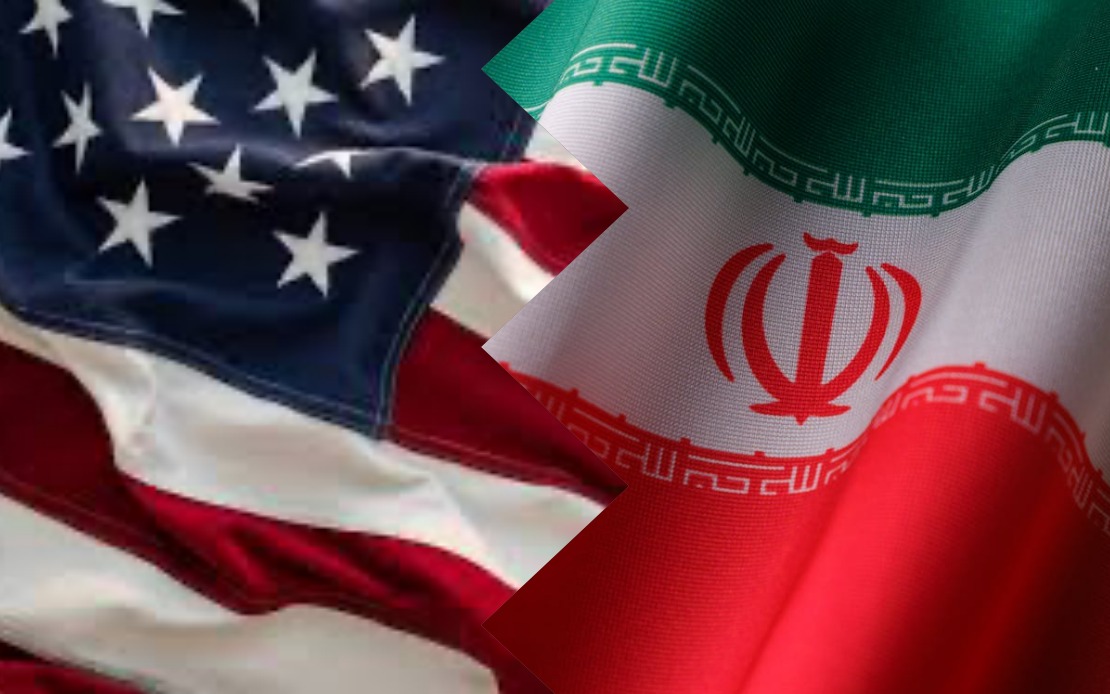
Bahrain's civil defense system was activated in the early hours of Wednesday following a major escalation in regional military tensions, as the United States responded to Iranian attacks with a significant air campaign targeting Iranian military installations. The activation of the warning system underscored the immediate security implications of the confrontation for Gulf states, particularly those hosting American military infrastructure and maintaining close security partnerships with Washington.
Bahrain's Ministry of Interior announced the alert through an official statement, instructing citizens and residents to proceed to the nearest designated safe locations while reassuring the public to remain composed. The ministry's initial announcement did not elaborate on specific threats or provide detailed reasons for the activation, reflecting standard civil defense protocols that prioritize rapid public notification over immediate explanation during crisis situations.
US military officials revealed that Iran's armed forces had dispatched unmanned aircraft systems toward Bahrain, according to reporting by the Axios news organization. This Iranian response demonstrated the tit-for-tat nature of the escalating military engagement, where each side's actions triggered reactive measures from the other. The deployment of drones by Tehran illustrated how regional powers have increasingly relied on unmanned systems as tools for projecting military power and registering protest across the Gulf.
The Bahrain alert emerged directly after the US Central Command announced the completion of a comprehensive air campaign. American forces had successfully struck in excess of 80 targets across Iranian territory as part of what military officials characterized as an immediate countermeasure to Tehran's actions. The scale of the operation represented a significant military undertaking, reflecting the gravity with which Washington viewed the Iranian provocations and the strategic importance of protecting maritime commerce in one of the world's most economically vital shipping corridors.
According to CENTCOM's official statement, the strikes were executed in direct response to Iranian attacks on commercial vessels navigating the Strait of Hormuz, one of the world's most critical chokepoints for global energy markets. Approximately one-third of all seaborne traded oil passes through these waters, making any sustained disruption to shipping a matter of international economic consequence. The Iranian attacks on merchant vessels represented a deliberate effort to disrupt this vital trade route and inflict economic damage on nations aligned with the United States.
The Strait of Hormuz has long been a flashpoint in US-Iran relations, serving as the geographic and strategic nexus where American power projection meets Iranian regional ambitions. For Malaysian and Southeast Asian shipping interests, developments in this critical waterway carry substantial implications, as disruptions to Gulf trade directly affect regional economies dependent on energy imports and the unimpeded transit of goods through international waters. Any prolonged instability could redirect shipping routes and increase maritime insurance costs, with cascading effects felt across Asia's supply chains.
Bahrain's position as host to the US Navy's Fifth Fleet makes the island nation particularly vulnerable to regional conflicts and Iranian retaliation. The activation of civil defense systems reflected genuine security concerns rather than routine precautions, indicating official assessment that the threat level warranted protective measures. For Bahrain's diverse population, which includes expatriate workers from across Asia and the Middle East, such alerts amplify already existing anxieties about living in a strategically contested region.
The escalating cycle of attacks and counter-attacks raises fundamental questions about conflict de-escalation mechanisms in the Gulf. Unlike Cold War superpowers that maintained communication channels and mutual understanding of red lines, US-Iran interactions have been characterized by uncertainty and miscalculation risks. Each military action creates pressure for response, potentially establishing a dangerous precedent where conventional military strikes become normalized as policy instruments.
For Malaysia and other Southeast Asian nations dependent on Gulf stability, these developments warrant close attention. Regional governments maintain diplomatic relations with both the United States and Iran, requiring careful navigation of international tensions. Disruptions to the Strait of Hormuz would have immediate ramifications for the region's energy security and the viability of established shipping lanes that connect Asian markets to Middle Eastern suppliers. The incident also underscores how regional conflicts in distant parts of the world can swiftly affect Asia's economic and security interests through interdependencies in global commerce and energy markets.

