Bahrain has refrained from tapping a $5.3 billion currency swap facility agreed with the United Arab Emirates, according to the country's development minister, even as the island nation navigates fallout from escalating regional tensions. The decision to keep the emergency lifeline in reserve suggests that policymakers believe the economic recovery is gaining sufficient traction to avoid depleting the arrangement, despite a troubled year marked by renewed Iranian hostilities and widespread disruption to Gulf commerce.
The geopolitical turmoil that engulfed the region earlier this year has left few Gulf economies unscathed, though Bahrain's exposure remains notably acute. The kingdom was already grappling with one of the region's most burdensome debt loads when the conflict intensified, creating a double squeeze on fiscal capacity. Credit rating agency S&P Global projects a 3 percent economic contraction this year coupled with a fiscal deficit approaching 8.5 percent of gross domestic product—figures that underscore the severity of the challenge facing policymakers in Manama.
Noor bint Ali Alkhulaif, Bahrain's Minister of Sustainable Development and Chief Executive of the Bahrain Economic Development Board, acknowledged the disruptive impact during an interview with Reuters, describing the situation as a departure from original planning. The minister noted that 2024 was intended to be a year focused on structural reforms and economic modernisation—a narrative now complicated by security concerns and volatile regional dynamics. Alkhulaif, who also serves as a board member of Bahrain's central bank, was adamant that despite these challenges, a genuine recovery is already underway across several critical sectors.
The resilience is becoming visible in unexpected ways. Major manufacturing and logistics companies operating across the region have begun identifying alternative trade routes that circumvent the Strait of Hormuz, where tensions have periodically threatened maritime commerce. More tellingly, regional tourism—which comprised roughly 90 percent of the 15 million visitors that arrived in Bahrain last year—has rebounded to pre-conflict levels, according to Alkhulaif's assessment. This suggests that despite ongoing security rhetoric, business confidence among neighbouring Gulf states remains sufficiently intact to support leisure and business travel.
The decision not to activate the currency swap carries symbolic weight beyond its immediate financial implications. Foreign exchange reserves have slipped to their lowest point since the COVID-19 pandemic, hovering around $3 billion, creating legitimate concern about the kingdom's immediate liquidity position. Nevertheless, maintaining the swap in reserve allows Bahrain to project financial stability and avoid the negative market signals that would accompany a drawdown. The arrangement with the UAE, secured in April, functions as an insurance policy that underscores the mutual economic interdependence among Gulf Cooperation Council members even amid heightened tensions.
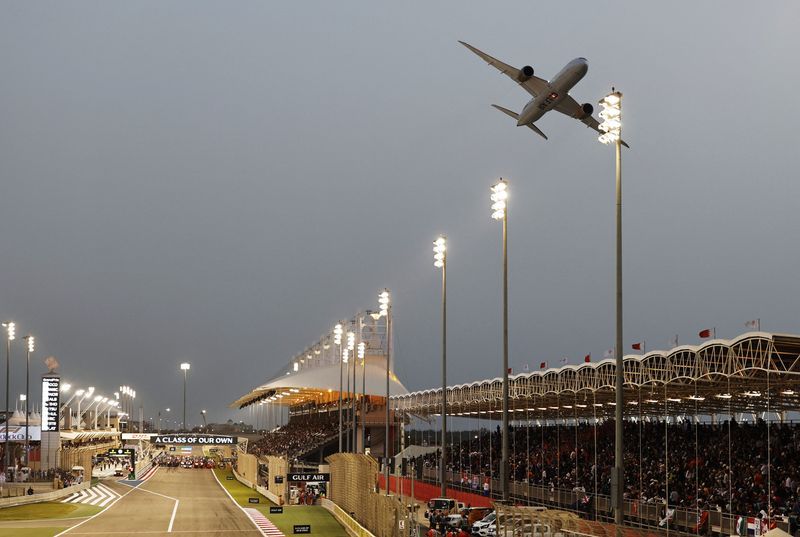
Simultaneously, Bahrain is pursuing the reinstatement of its Formula One Grand Prix, which was postponed in March alongside Saudi Arabia's race following the outbreak of hostilities. The motorsport event carries outsized economic and diplomatic importance for the kingdom, typically drawing approximately 105,000 spectators and serving as a showcase for Bahrain's global positioning. International visitors, accounting for roughly 10 to 15 percent of attendees but often representing higher-spending demographics, inject significant tourism revenue into the local economy.
Formula One sources suggest that October 3–4 represents the most feasible slot for a Bahrain reinstatement, positioned strategically between the Baku Grand Prix in Azerbaijan and the Singapore Grand Prix scheduled for October 11. Alkhulaif confirmed that preliminary discussions have commenced regarding the calendar adjustments, though she cautioned that no definitive confirmation has materialised. The caveat underscores the contingency attached to any agreement: meaningful de-escalation between the United States and Iran would need to precede any final determination, establishing a clear threshold that transcends sporting considerations.
F1 organisers face mounting pressure to resolve the calendar question expeditiously, as teams require adequate notice to arrange logistics, personnel deployment, and technical preparations. Each week of delay narrows the window for securing necessary support infrastructure and communication protocols. For Bahrain, hosting the race represents not merely revenue generation but also an affirmation that the kingdom remains a credible and stable venue for marquee international events despite regional instability.
The medium-term outlook appears even more favourable for Bahrain's motorsport ambitions. Ramadan's earlier positioning in coming years creates an opportunity for the kingdom to reclaim the prestigious opening race of the 2026–27 season, potentially alongside hosting the standard pre-season testing rounds that precede the championship. Such scheduling would elevate Bahrain's profile within the global F1 calendar hierarchy and provide sustained economic benefits through extended visitor flows across multiple months.
The parallel challenges of managing currency stability and securing high-profile international events illustrate the interconnected pressures facing small Gulf economies in an uncertain environment. Bahrain's restraint in activating its emergency swap indicates that authorities assess current economic trends as sufficiently positive to warrant confidence, even if regional military posturing remains unresolved. The currency swap effectively represents a line of last resort—a backstop that policymakers are evidently confident they will not need to cross, provided regional tensions do not escalate dramatically beyond current levels.

