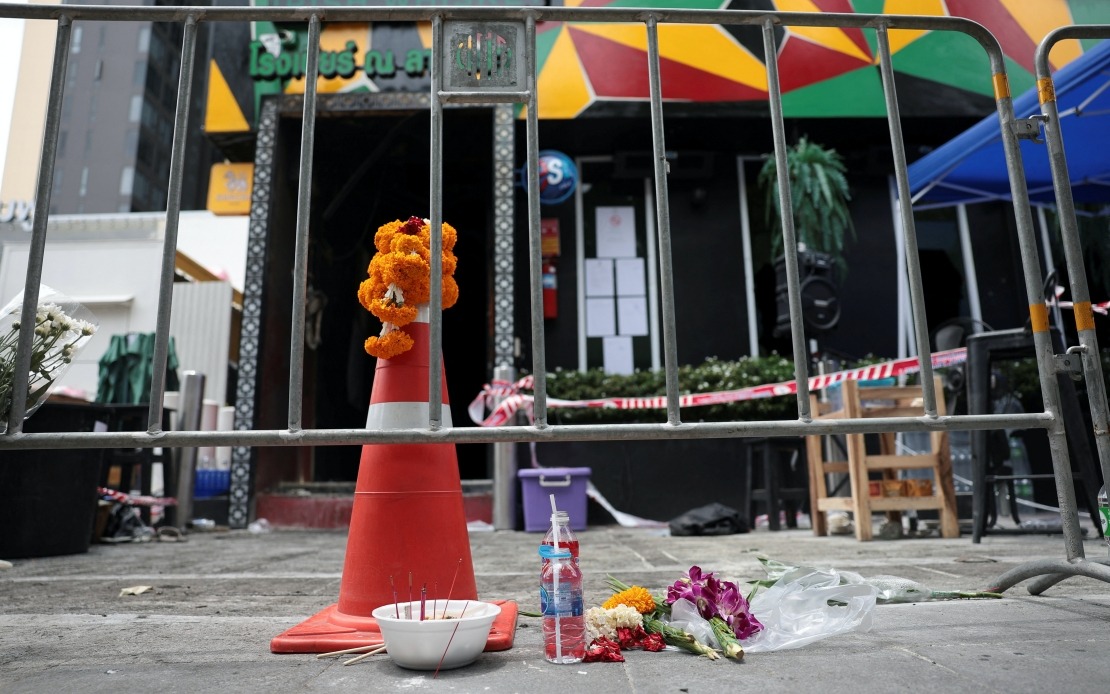
Authorities investigating the catastrophic fire at a Bangkok entertainment venue have concluded that all 33 victims perished due to asphyxiation from hazardous gases rather than thermal injuries sustained in the blaze. Metropolitan Police Bureau Commissioner Police Lieutenant General Sayam Boonsom revealed on Thursday that forensic examination revealed the presence of carbon monoxide and cyanide in the bodies of those who died, pointing to a particularly insidious mechanism of death in enclosed spaces where proper ventilation and emergency protocols may have been compromised.
The distinction between deaths caused by burning versus toxic gas inhalation carries significant investigative implications, as it suggests the victims were incapacitated within minutes of exposure to these substances before they could escape the premises. Both carbon monoxide and cyanide function by preventing tissues from utilising oxygen, effectively causing internal asphyxiation that can prove lethal in a matter of moments. This finding underscores how dangerous poorly maintained or non-compliant buildings can become during fire emergencies, particularly venues designed for entertainment where rapid evacuation is essential.
The incident occurred shortly after midnight on Monday at the Lat Phrao district establishment, resulting in 33 confirmed deaths and injuries to more than 70 people. By Thursday, the initial phase of the crisis had progressed to a more stable stage, with 14 patients still requiring intensive medical care and 44 others having been cleared for discharge. The scale of casualties reflects not only the sudden nature of the emergency but also the potential difficulties faced by occupants in reaching exits once the fire had begun spreading.
Police Lieutenant General Sayam Boonsom indicated that forensic officers have concluded their on-site examination, though the broader investigation remains active. The investigation has now shifted toward identifying the underlying causes of the disaster, with particular focus on whether electrical system failures precipitated the fire. Investigators are simultaneously examining whether the building had been subject to unauthorised structural modifications and whether emergency exits had been blocked or rendered inaccessible—violations that would have severely hampered evacuation efforts when the fire broke out.
While no criminal charges have yet been formally filed, the police leadership outlined several serious offences under consideration. These include charges related to causing death and injury through negligence, conducting unauthorised building alterations, and negligently causing the fire itself. Additionally, prosecutors are examining whether the venue breached regulations governing entertainment establishments and whether the business had operated outside the parameters of its official operating licence, suggesting the possibility of unlicensed or unregulated operations.
The investigative team has already gathered testimony from more than 106 witnesses, providing a substantial foundation for understanding the sequence of events and the conditions that existed within the venue. This extensive witness collection process suggests authorities are pursuing a thorough examination of how the fire started, how quickly it spread, and what obstacles prevented rapid evacuation. Such testimony often reveals crucial details about safety practices, staff training, and the physical state of the building that might not emerge from forensic analysis alone.
The incident has profound implications for fire safety standards across Southeast Asia, where entertainment venues frequently operate in crowded urban areas. The particular danger posed by toxic gas inhalation—where victims may become incapacitated without realising the severity of their situation—highlights the critical importance of functional ventilation systems, properly maintained electrical infrastructure, and unobstructed emergency routes. For Malaysia and the region, this tragedy serves as a sobering reminder that regulatory oversight of entertainment and hospitality venues requires sustained vigilance and rigorous enforcement.
The presence of cyanide specifically raises questions about what materials were present in the building or its furnishings that, when exposed to intense heat, produced this highly toxic compound. This could indicate that building materials, furniture, or decorative elements did not meet safety standards for fire resistance or toxic gas emission. Such a finding would point toward systemic failures in building inspection and compliance procedures rather than merely inadequate emergency response capabilities.
As investigations continue, Thai authorities face pressure to establish whether this tragedy resulted from a single catastrophic failure or accumulated violations and negligence. The concentration of deaths from toxic gas inhalation rather than thermal injury suggests that victims may have had time to escape had emergency exits been properly maintained and accessible. This dimension of the findings could be crucial in determining liability and establishing whether venue operators or building owners failed in their duty of care toward patrons.
For the regional business and hospitality sector, the Bangkok incident carries urgent warnings about compliance costs and the human consequences of cutting corners on fire safety. Building owners and entertainment venue operators across Malaysia, Thailand, and the broader region would be prudent to conduct immediate safety audits, verify that emergency systems function properly, and ensure that exits remain unobstructed. The investigation's progression will likely influence how governments approach regulatory enforcement and penalties for non-compliance in coming months.

