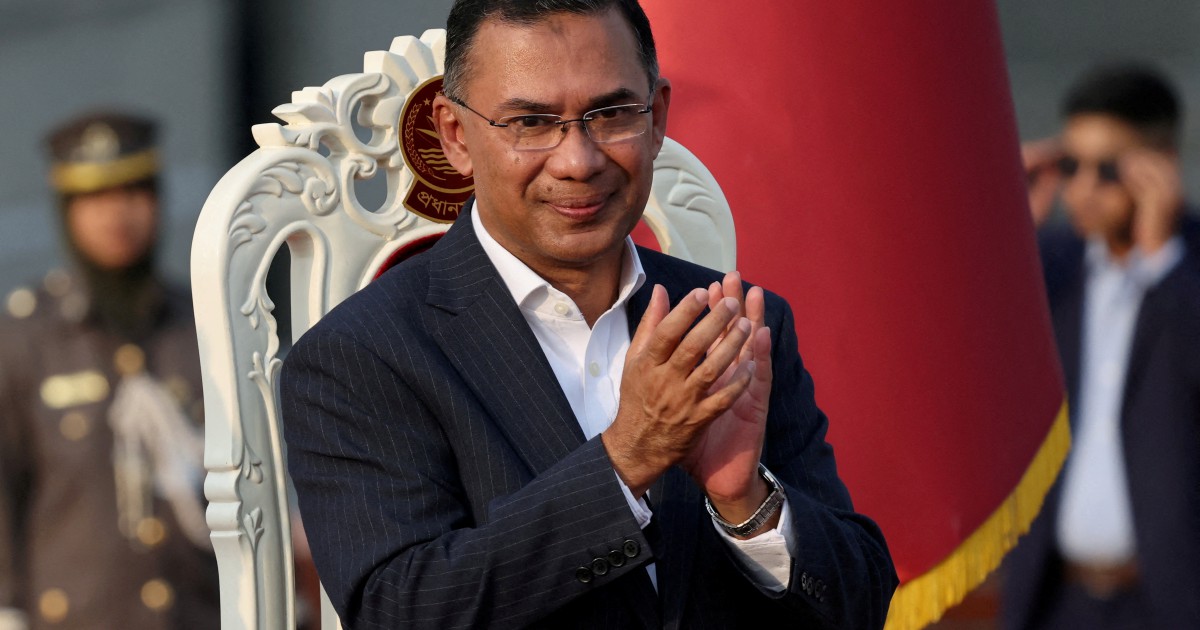
Bangladesh has set a hard diplomatic condition for Prime Minister Tarique Rahman's trip to India: New Delhi must first extradite Sheikh Hasina, the country's former premier who fled across the border during the tumultuous uprising that unfolded in 2024. The announcement, made by Bangladeshi officials on Sunday, underscores the deep acrimony between Dhaka and the deposed leader, whose government fell amid widespread civil unrest.
The demand reflects broader tensions simmering between the two nations following Hasina's departure from Bangladesh. Her escape during the political upheaval left the country in flux and created a significant diplomatic rift, with the interim government now unwilling to normalise ties with India until the former prime minister faces domestic accountability. This hardening of position signals that Dhaka views the extradition question not merely as a legal matter but as a fundamental issue of justice and national sovereignty.
Sheikh Hasina's tenure as Bangladesh's prime minister spanned multiple periods, during which she maintained relatively close ties with India compared to her domestic political rivals. Her forced exit from office during last year's crisis transformed her into a polarising figure at home. For Tarique Rahman's new administration, securing her return has become emblematic of their commitment to addressing grievances that sparked the popular uprising, making any diplomatic engagement with India conditional on India's cooperation in this matter.
The extradition demand also reflects the new government's need to demonstrate strength and resolve to a domestic constituency still processing the upheaval of 2024. By publicly tying bilateral engagement to Hasina's return, the Bangladeshi administration signals that it will not conduct business as usual with India while the former leader remains beyond the reach of local courts. This stance carries particular weight given India's traditional role as a regional power with significant influence over smaller neighbours.
India's response to this condition remains crucial to the trajectory of bilateral relations. New Delhi has historically maintained its own complex relationship with Hasina, supporting her government at various points while also engaging with other Bangladeshi political actors. However, extradition decisions typically involve intricate legal considerations, asylum protections, and domestic political calculations that cannot be easily negotiated away. The Indian government must weigh its own interests and legal frameworks against pressure from Dhaka.
For the broader Southeast Asian region, these tensions between Bangladesh and India carry implications. As countries navigate their own relationships with both nations, they may find themselves caught in the middle of competing interests. Bangladesh, as a member of ASEAN's extended dialogue partnerships and a growing economic player, has stakes in maintaining stable regional dynamics. Similarly, India's role as a South Asian power with interests throughout the region means that bilateral friction with Bangladesh affects the wider geopolitical landscape.
The timing of Bangladesh's demand also matters. Tarique Rahman's government, which took office following the 2024 uprising, remains focused on stabilising the country and establishing its legitimacy. Making high-profile international visits carries both practical and symbolic importance for demonstrating stability and international standing. However, postponing visits to India until a contentious extradition is resolved may indicate that the new administration views cementing control at home and addressing perceived wrongs as more urgent than traditional diplomatic niceties.
Sheikh Hasina's legal status in India remains ambiguous, as she has sought refuge there following her departure from Bangladesh. India has previously served as a safe haven for Bangladeshi political figures facing persecution, reflecting the complex history of asylum and geopolitical maneuvering in South Asia. The question of whether India would consider extradition—and on what grounds—involves considerations of bilateral agreements, international law, and humanitarian concerns that go beyond simple diplomatic pressure.
This development occurs within a broader context of institutional transition in Bangladesh. The country has experienced significant political upheaval, with the interim administration working to restore normalcy while addressing the underlying grievances that sparked unrest. Foreign policy, including relations with major neighbours like India, forms part of this broader consolidation effort. Bangladesh's willingness to take a firm stance on the Hasina extradition indicates that the new administration is not hesitant to assert national interests in its diplomatic dealings.
The extradition condition also reflects deeper questions about accountability and justice in post-crisis Bangladesh. Many within the country view Hasina's government as having been complicit in actions that precipitated the 2024 uprising, whether through allegations of authoritarian governance or economic mismanagement. For the interim administration, securing her return is bound up with demonstrating that the new order will pursue accountability for perceived transgressions, not merely attempt to move forward without addressing historical grievances.
As this diplomatic standoff develops, the trajectory of Bangladesh-India relations will likely depend on how both governments navigate the competing pressures they face. For Dhaka, the extradition demand serves immediate domestic political purposes while also testing India's willingness to accommodate Bangladeshi priorities. For New Delhi, the situation presents a delicate balancing act between maintaining good relations with its eastern neighbour and managing the complex legal and political questions surrounding Hasina's status. The resolution of this impasse will shape bilateral engagement for years to come, with implications extending across South and Southeast Asia.

