Prime Minister Tarique Rahman's diplomatic visit to Malaysia in June has delivered tangible benefits to bilateral relations between the two South Asian and Southeast Asian neighbours, according to Bangladesh's Health and Family Welfare Minister Sardar Mohammad Sakhawat Hossain. Speaking at a business forum in the Bangladesh capital on Saturday evening, the minister attributed renewed momentum in the relationship to the high-level engagement, signalling that such personal diplomatic missions remain instrumental in cementing ties across the region.
The minister's remarks came during an event convened by the Bangladesh-Malaysia Chamber of Commerce and Industry in Dhaka, where he underscored that the two nations' partnership rests upon a foundation of reciprocal confidence and shared interests. By framing the relationship in terms of mutual trust rather than transactional engagement, Sakhawat pointed to a deeper strategic understanding that transcends ordinary commercial exchanges. This characterisation is significant for Malaysian policymakers, as it suggests Bangladesh views the relationship as sufficiently robust to accommodate candid dialogue on trade imbalances and other contentious issues.
Central to the minister's remarks was the assertion that active participation by private sector representatives from both countries constitutes a pillar of the bilateral relationship. Close interaction between Bangladeshi and Malaysian business communities has historically driven investment flows, technology transfer, and supply chain integration across sectors ranging from textiles to manufacturing. The minister's emphasis on this commercial dimension reflects a broader recognition that government-to-government relations function most effectively when underpinned by genuine economic interdependence and private sector enthusiasm.
In a bid to rebalance the commercial equation, Sakhawat made an explicit appeal for Malaysia to substantially increase its imports from Bangladesh. This request carries particular weight given Bangladesh's significant trade surplus with many developed economies and its ongoing efforts to diversify export markets beyond traditional buyers. For Malaysian importers and policymakers, the appeal suggests Bangladesh believes there remains untapped potential in sectors where the country possesses competitive advantages—notably ready-made garments, leather goods, pharmaceuticals, and agricultural products. The minister's direct solicitation indicates some frustration with current trade volumes and implies that Bangladesh expects concrete action rather than rhetorical support.
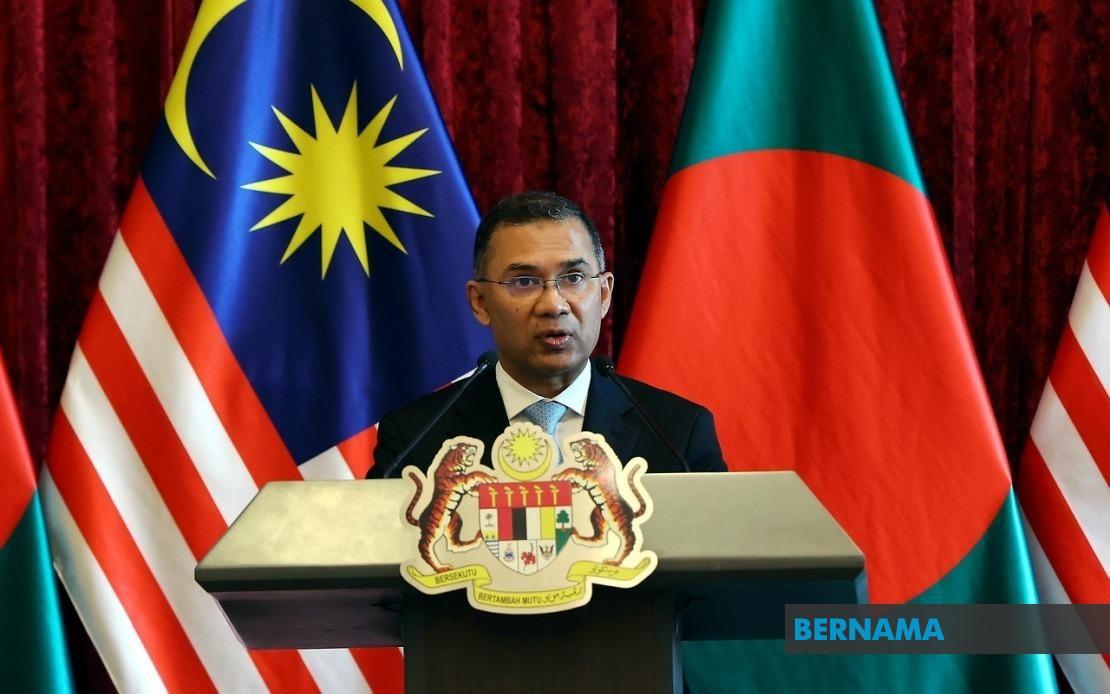
The event itself, titled "Towards a Stronger Bangladesh-Malaysia Partnership", demonstrated institutional commitment from both governments to elevating bilateral engagement. The presence of Malaysian High Commissioner to Bangladesh Mohd Shuhuda Othman signalled Malaysia's seriousness in deepening the relationship, while the attendance of Federation of Bangladesh Chambers of Commerce and Industry administrator Mohammad Fazlul Haque ensured that the private sector's voice remained prominent in the dialogue. Such multilateral participation—spanning government, diplomatic, and business spheres—reflects contemporary best practices in nurturing regional partnerships.
For Malaysian readers and policymakers, the significance of this engagement extends beyond Bangladesh alone. As Southeast Asia grapples with geopolitical competition from major powers and economic uncertainties, strengthening ties with neighbouring South Asian nations offers Malaysia strategic diversification. Bangladesh, with its population exceeding 170 million and emerging middle class, represents a substantial consumer market and manufacturing hub. Conversely, Bangladesh views Malaysia as a gateway to Southeast Asia and a repository of technological expertise, making the bilateral relationship mutually beneficial rather than asymmetric.
The June visit by Prime Minister Tarique Rahman appears to have reset expectations within Bangladesh's political establishment regarding Malaysia's commitment to the partnership. In the months following the visit, public statements by government officials have consistently referenced the renewed vigour in bilateral relations, suggesting the diplomatic mission succeeded in addressing concerns or establishing new frameworks for cooperation. Whether these frameworks translate into measurable outcomes—increased Malaysian investment, higher import volumes, or collaborative projects—will determine whether this current phase represents genuine strategic realignment or temporary diplomatic theatre.
The minister's call for broader economic cooperation aligns with Malaysia's own regional ambitions. As Malaysia seeks to strengthen its position within ASEAN and cultivate partnerships across the Indian Ocean, deepening economic ties with Bangladesh offers mutual benefits. Malaysian companies could access Bangladesh's large labour market and raw materials, while Bangladeshi businesses gain exposure to Malaysian expertise in services, petrochemicals, and digital technology. The challenge lies in converting political will into institutional mechanisms that reduce transaction costs and regulatory friction.
Looking forward, the trajectory of Bangladesh-Malaysia relations will likely depend on whether both governments can translate diplomatic momentum into concrete commercial outcomes. The minister's explicit appeal for increased Malaysian imports suggests that Bangladesh's patience with symbolic gestures is wearing thin; substantive progress on trade volumes will be essential to maintain political support for closer ties. For Malaysia, this represents an opportunity to expand its economic footprint in South Asia while simultaneously strengthening regional stability through deeper engagement with a strategically important neighbour.

