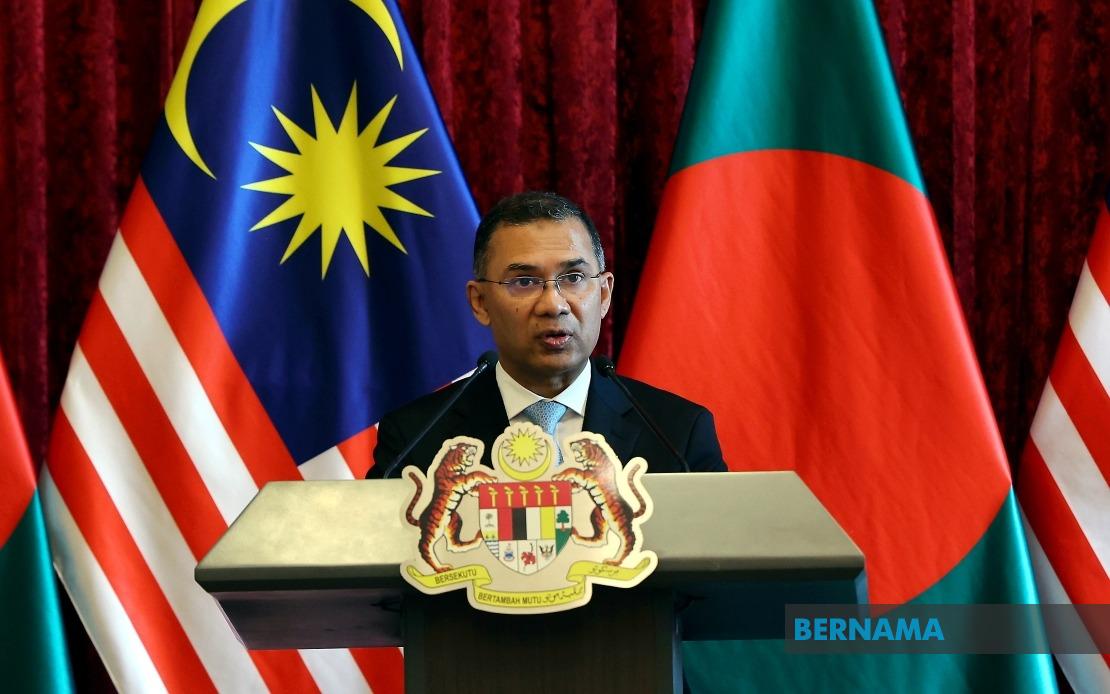
Bangladesh Prime Minister Tarique Rahman and his Malaysian counterpart Datuk Seri Anwar Ibrahim have reaffirmed their nations' determination to deepen cooperation on pressing regional and global matters during Rahman's inaugural official bilateral visit abroad since taking office in February 2026. The commitment, articulated during a joint press conference in Putrajaya on Monday, signals renewed momentum in a relationship already anchored by substantial economic interdependence and shared strategic interests across South Asia and Southeast Asia.
During the visit, which commenced on Sunday, both leaders oversaw the formalisation of three pivotal agreements designed to institutionalise cooperation across multiple sectors. These instruments included a Memorandum of Understanding focused on cultural collaboration, alongside two Exchanges of Notes addressing counter-terrorism research initiatives and frameworks to streamline investment flows between the two economies. The signing of these documents underscores an intention to move beyond rhetorical commitments and establish concrete operational pathways for sustained engagement.
A cornerstone of the bilateral dialogue centred on utilising existing institutional mechanisms to facilitate ongoing dialogue and coordination. Rahman emphasised that both nations would leverage the joint commission meeting structure as well as high-level consultations between foreign ministers to maintain momentum on issues requiring sustained attention. This emphasis on institutional frameworks reflects recognition that meaningful partnership requires more than episodic summits; it demands regular, structured engagement that can address emerging challenges and opportunities with consistency.
The geopolitical dimension of the visit proved equally significant. Both leaders engaged in substantive discussions regarding international developments, particularly the volatile situation in West Asia, demonstrating that their partnership extends beyond economic considerations to encompass broader security and diplomatic concerns affecting regional stability. This conversation suggests that Malaysia and Bangladesh perceive mutual benefit in coordinating positions on global flashpoints where their respective interests intersect.
Rahman's visit also provided an occasion to acknowledge Malaysia's diplomatic support for Bangladesh's aspirations within the international community. Notably, the Prime Minister expressed gratitude for Malaysia's backing of Bangladesh's candidature for the presidency of the 81st session of the United Nations General Assembly, illustrating how bilateral partnerships can translate into tangible support for each nation's multilateral ambitions. Such backing carries symbolic weight and underscores the depth of political goodwill between the two governments.
The economic relationship between Malaysia and Bangladesh demonstrates the scale of existing commercial integration, providing a foundation upon which political cooperation builds. In 2025, bilateral trade reached RM12.18 billion, equivalent to US$2.84 billion, positioning Bangladesh as Malaysia's 28th largest trading partner globally and its second most significant partner within South Asia, surpassed only by India. Malaysia's exports to Bangladesh, valued at RM10.08 billion, comprise predominantly petroleum products, reflecting Bangladesh's substantial energy requirements as it pursues industrial expansion and economic growth.
Conversely, Malaysia's imports from Bangladesh, amounting to RM2.10 billion, centre on textiles, apparel, and footwear—sectors where Bangladesh has developed considerable competitive advantage through its labour-intensive manufacturing base. This complementary trade profile suggests natural synergies between the two economies, with Malaysian energy and capital goods meeting Bangladeshi demand whilst Bangladesh supplies consumer goods and apparel to Malaysian markets. The composition of this trade indicates limited direct competition, reducing potential friction points and creating mutual incentives for deepening economic ties.
The significance of Rahman's visit as his first official bilateral journey abroad carries profound symbolic meaning. By choosing Malaysia as the destination for this inaugural overseas visit, Rahman signals the importance he accords to regional partnerships within Asia, particularly with established Association of Southeast Asian Nations members who command influence in regional architecture. This decision reflects strategic calculation that engagement with Southeast Asia constitutes a foreign policy priority for his administration, suggesting Bangladesh views closer integration with the region as essential to navigating contemporary geopolitical complexities.
For Malaysian policymakers and business communities, Bangladesh represents a growing market with substantial demographic and economic potential. With a population exceeding 170 million and ambitious development targets, Bangladesh offers considerable opportunities for Malaysian firms in energy, infrastructure, manufacturing, and services. The formal agreements signed during this visit provide clearer frameworks for exploring these opportunities, potentially attracting enhanced Malaysian investment in Bangladeshi ventures spanning sectors from power generation to garment manufacturing and financial services.
The visit also carries implications for broader South Asian regional dynamics. Bangladesh's reaffirmation of commitment to working alongside Malaysia through international organisations suggests recognition that coordinating with Southeast Asian partners enhances Bangladesh's capacity to advocate effectively for South Asian interests within global forums. This approach reflects emerging trends toward greater cross-regional cooperation, wherein South Asian nations strengthen ties with Southeast Asian counterparts to amplify their collective voice in multilateral settings.
Looking ahead, both governments have signalled intentions to sustain momentum through continued high-level engagement and institutional mechanisms. The emphasis placed on joint commission meetings and foreign ministerial consultations indicates expectations that this visit will catalyse rather than culminate bilateral development. For Malaysian readers, this represents an opportunity to monitor how Bangladesh's continued democratisation and economic development create fresh prospects for partnership, whilst simultaneously presenting challenges related to regional migration, security cooperation, and trade dynamics that merit ongoing diplomatic attention.