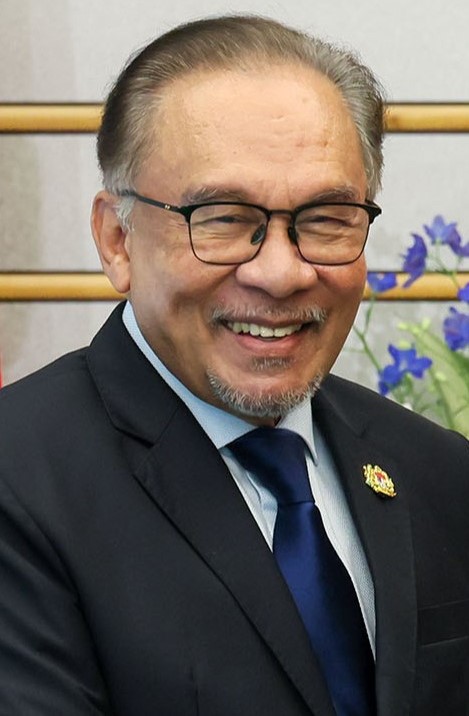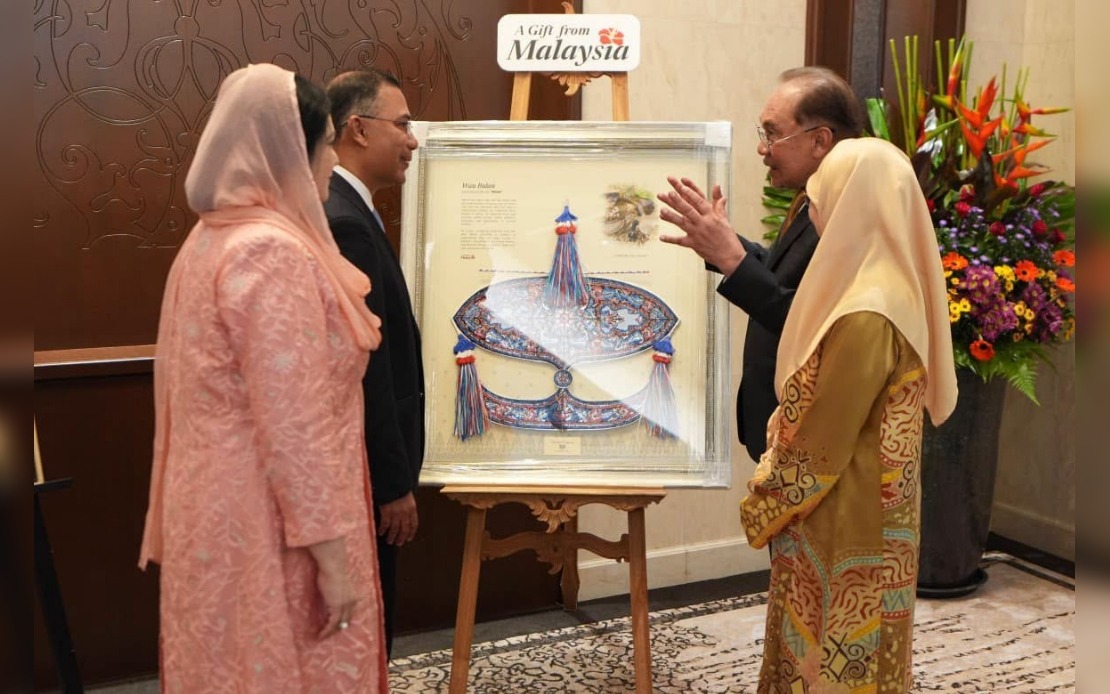
Bangladesh Prime Minister Tarique Rahman concluded his maiden state visit to Malaysia on Monday with renewed pledges to deepen cooperation with his Malaysian counterpart Datuk Seri Anwar Ibrahim. The visit underscores the importance both nations place on their multifaceted relationship, which extends across economic, cultural, and diplomatic spheres. Rahman's commitment to working closely with Anwar signals continuity in the bilateral engagement between Dhaka and Kuala Lumpur, even as Bangladesh navigates significant domestic political transitions.
In a statement released through Bangladesh's Ministry of Foreign Affairs, Rahman expressed his gratitude for the warmth extended by the Malaysian government and its people. He specifically acknowledged the hospitality of Anwar and his wife, Datuk Seri Dr Wan Azizah Wan Ismail, characterizing their reception as a reflection of the deep-rooted friendship binding the two nations. This ceremonial appreciation is significant in South Asian and Southeast Asian diplomatic protocol, where such gestures publicly validate the importance of bilateral relations at the highest levels.
Rahman also took the opportunity to meet with His Majesty Sultan Ibrahim, King of Malaysia, conveying sincere appreciation for the royal audience. Such interactions are crucial in affirming the breadth of diplomatic engagement, extending beyond prime ministerial levels to encompass the constitutional heads of state. For Malaysia, receiving a Bangladeshi premier at such senior levels reflects the strategic value Kuala Lumpur places on its South Asian relationships, particularly given Bangladesh's growing economic and geopolitical significance in the region.
The discussions between the two leaders reaffirmed what Rahman described as enduring bonds transcending conventional bilateral cooperation. Both nations recognize the importance of working together on shared regional challenges and opportunities. Bangladesh's engagement with Malaysia carries particular weight given Malaysia's position as a bridge between South Asia and Southeast Asia, and its influence within both ASEAN and broader regional forums where Bangladesh maintains observer status and seeks greater integration.
Rahman's references to historical familial ties provided context for contemporary relations. His invocation of his father, former President Ziaur Rahman, and his mother, former Prime Minister Begum Khaleda Zia, anchors Bangladesh's Malaysia policy within a narrative of continuity spanning generations. This historical dimension suggests that Bangladesh views its relationship with Malaysia not as transactional but as rooted in deep institutional memory and family political legacies that have shaped both nations' foreign policies.
The emphasis on people-to-people connectivity in Rahman's statement reflects a significant dimension of Bangladesh-Malaysia relations often overlooked in formal diplomacy. Millions of Bangladeshi workers contribute substantially to Malaysia's economy, while Malaysian investments in Bangladesh span manufacturing, telecommunications, and financial services. These human and economic ties create natural constituencies within both societies invested in strengthening bilateral relations, providing resilience to the relationship even during periods of political transition.
Rahman's first state visit as premier carries added symbolic weight given Bangladesh's recent political upheaval and constitutional transitions. His ability to conduct a successful state visit and engage meaningfully with Malaysian leadership suggests his government's priority on stabilizing and expanding regional partnerships. For Malaysian observers, such engagement demonstrates Bangladesh's commitment to maintaining stable, productive relationships throughout Southeast and South Asia, despite domestic challenges.
The timing of the visit also reflects broader regional dynamics. Bangladesh increasingly seeks engagement with Southeast Asian economies as it pursues economic diversification and industrial development. Malaysia, as one of Asia's most advanced economies, offers valuable lessons in manufacturing-led growth and regional economic integration. Conversely, Bangladesh represents an expanding market of over 170 million people with rising consumption, making it strategically important for Malaysian businesses and investors seeking growth opportunities beyond saturated regional markets.
Both leaders' emphasis on bilateral cooperation across multiple sectors indicates their intention to move beyond traditional state-to-state relations toward comprehensive partnership. This approach encompasses trade, investment, education, cultural exchange, and security cooperation. Malaysian universities attract increasing numbers of Bangladeshi students, while Malaysian firms increasingly explore manufacturing opportunities in Bangladesh where labour costs remain competitive and infrastructure improves. Such diversified engagement creates multiple entry points for strengthening the relationship.
The diplomatic language used throughout Rahman's statements—emphasizing friendship, warmth, and enduring bonds—serves important domestic political functions within Bangladesh. By demonstrating successful international engagement and garnering respect from major regional players, Rahman consolidates his government's legitimacy and positions Bangladesh as a serious player in regional affairs. This matters particularly given Bangladesh's need to establish credibility with both regional and global partners following recent political transitions.
Looking forward, Rahman's visit likely results in expanded cooperation frameworks addressing contemporary challenges. Climate change presents mutual concerns for both nations, as Bangladesh faces acute vulnerability to sea-level rise while Malaysia manages tropical forest ecosystems critical to regional climate stability. Disaster management, renewable energy development, and sustainable agriculture offer areas where technical cooperation could yield tangible benefits for both populations.
The visit also positions Malaysia as a valuable diplomatic interlocutor for Bangladesh within ASEAN and broader Indo-Pacific forums. As Bangladesh continues seeking greater integration into Southeast Asian economic and political structures, Malaysia's support and advocacy prove invaluable. In return, Bangladesh offers Malaysia access to South Asian markets and influence in a region where Southeast Asia's presence, while growing, remains limited.
Rahman's conclusion of his first state visit with substantive commitments to deeper cooperation sends a clear signal to Bangladesh's international partners that the new government prioritizes stable, productive regional relationships. This approach contrasts with potential concerns about instability, suggesting continuity in foreign policy despite domestic political changes. For Malaysia and other Southeast Asian nations, such signals of stability facilitate deeper engagement and investment confidence.