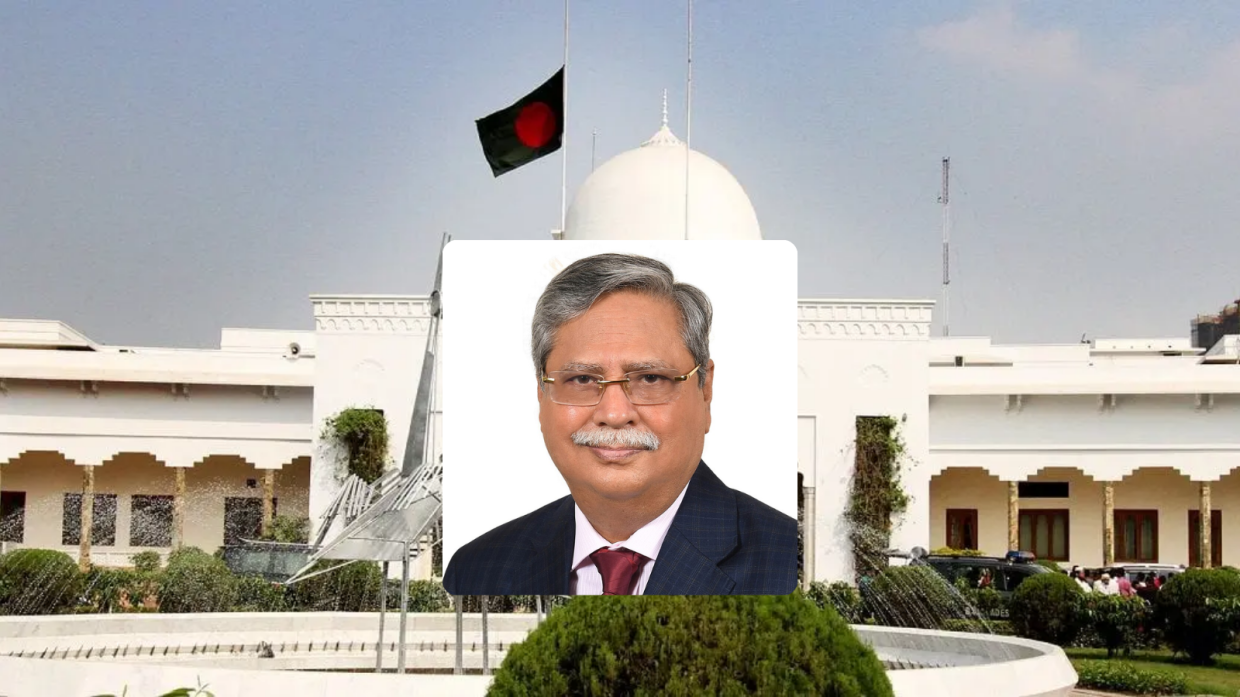
Bangladesh's President Mohammed Shahabuddin faces imminent resignation as political pressures mount within the country's governance structure, according to multiple sources with knowledge of the situation. The departure of Shahabuddin, who assumed office in April 2023, would mark a significant transition in the nation's leadership, removing the sole remaining top constitutional figure who held position before the transformative mass uprising that swept through Bangladesh in July 2024. Recent weeks have seen momentum building toward his exit, with government sources suggesting the move could materialise within days rather than weeks.
The catalyst for the expected resignation appears multifaceted, though intelligence agencies' discovery of a telephone conversation between Shahabuddin and exiled former Prime Minister Sheikh Hasina triggered immediate concern among government officials. During a medical visit to London between May 9 and May 18, the president allegedly spoke with Hasina, who has remained in exile in India following the July 2024 uprising. Once authorities learned of this communication, a clear message was conveyed to Shahabuddin that his continued tenure had become untenable. Nevertheless, senior figures within the Bangladesh Nationalist Party emphasize that this single conversation does not fully explain the resignation's inevitability.
The political landscape has grown considerably more fraught since Hasina's recent announcement that she and senior Awami League officials intend to return from Indian exile around December to surrender themselves to authorities. This declaration has galvanised government response, particularly as intelligence agencies simultaneously monitor attempted reorganisation efforts by Awami League cadres within Bangladesh. The convergence of these developments—Hasina's expected return, ongoing party restructuring attempts, and the president's apparent attempts to reestablish old political contacts—has created what government sources characterise as an unacceptable security and stability concern.
Prime Minister Tarique Rahman directed relevant authorities on July 17 to intensify their campaign against the Awami League and its affiliated organisations, including the Bangladesh Chhatra League and Jubo League. This hardline stance reflects the government's determination to prevent the opposition party from reconstituting its operational infrastructure. Senior BNP officials have framed the impending presidential resignation as integral to this broader strategy, signalling governmental resolve to eliminate vestiges of pre-uprising political arrangements that might complicate the consolidation of current authority structures.
Government sources have articulated their discomfort with maintaining a pre-July 2024 figure in Bangladesh's highest constitutional office, particularly one allegedly attempting to revive historical political contacts. The presidency, in this reading, should not serve as a refuge for personalities associated with the previous regime. One high-level government official described Shahabuddin's departure as an inevitable and natural development regardless of timing, reflecting institutional conviction that his continued presence represents an unacceptable anachronism in the post-uprising political order. The decision to pursue his resignation rather than dismiss him outright permits the transition to appear orderly and consensual.
Shahabuddin's own statements have further complicated his position. During the tenure of Muhammad Yunus's interim government in December 2025, the president expressed feeling humiliated and indicated he would step down after the February parliamentary election. Subsequently, following the BNP government's assumption of power, he adopted a more accommodating posture in late February, declaring willingness to remain if the government wished but equal readiness to depart if asked. These equivocal positions may have reinforced government frustration with his tenure.
Under Bangladesh's constitutional framework, should Shahabuddin resign, the Speaker of Parliament will assume the role of acting president pending election of a permanent successor. This procedural arrangement ensures continuity while providing time for the government to orchestrate selection of an appropriately aligned replacement. No public discussion has yet emerged regarding potential candidates or the anticipated timeline for holding presidential elections.
The resignation timing remains somewhat fluid, though sources close to the presidential residence indicate a decision could arrive within one or two days of late July. Shahabuddin maintained a scheduled diplomatic engagement on July 29 with non-resident ambassadors from four countries, suggesting that formal announcement may follow this commitment. Whether the president voluntarily tenders his resignation or faces explicit government demands for his departure remains unclear, though the inevitability of his exit appears settled.
For Malaysia and broader Southeast Asia, Bangladesh's political volatility carries regional implications. The persistent instability surrounding the Awami League's status, combined with government pressure on constitutional office-holders, underscores the challenges facing Bangladesh's interim leadership in establishing legitimate, consensual governance frameworks. The sequence of events—from July 2024's mass uprising through the current presidential crisis—reflects difficulties in transitioning from protest-driven political change to stable institutional arrangements. Malaysia's own experience with political transitions and constitutional governance offers comparative perspective on the durability challenges facing Bangladesh as it attempts to consolidate post-uprising authority structures while maintaining public confidence in democratic institutions.

