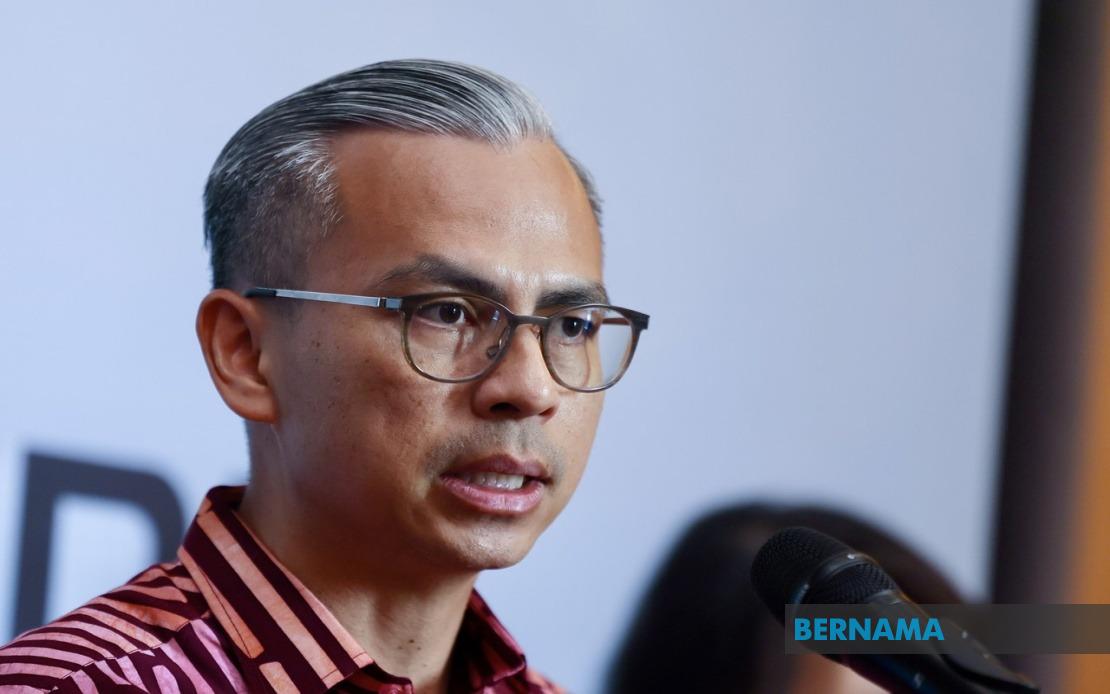
Bank customers across Malaysia who continue to encounter the RM1 charge for withdrawing cash at interbank automated teller machines should immediately file complaints with Bank Negara Malaysia, according to Communications Minister Datuk Fahmi Fadzil. The directive comes as a long-awaited fee waiver commenced implementation, with the government seeking to ensure compliance across the financial sector and protect consumers from unexpected charges.
Fahmi, speaking at the Communications Ministry's regular press briefing, emphasised that BNM possesses the regulatory authority to pursue enforcement action against any banking institution that breaches the new policy. The announcement reflects the government's commitment to consumer protection in an era where cash transactions remain important for many Malaysians, particularly those in rural areas and lower-income demographics. The timing of the waiver, coming into effect on July 1, represents a significant shift in how Malaysian banks handle interbank withdrawal transactions.
The scope of the fee waiver is considerably broad, encompassing approximately 84 percent of all bank-owned automated teller machines nationwide—roughly 16,000 machines operated by banks participating in Malaysia's shared ATM network. This extensive coverage means the vast majority of customers should now be able to withdraw funds from any participating bank's ATM without incurring the RM1 surcharge that has long been a point of consumer frustration. The reach of this waiver demonstrates a coordinated effort across Malaysia's banking sector to standardise customer experiences.
However, Fahmi stressed an important caveat that consumers must understand to avoid confusion. The remaining 16 percent of ATMs, operated by non-bank private companies under distinct commercial arrangements separate from the banking network, will continue to levy the RM1 withdrawal fee. This distinction is crucial for customer awareness, as the policy does not represent an absolute elimination of ATM charges but rather a targeted removal of fees at bank-controlled machines. The government spokesman cautioned customers to carefully identify which machines they use before conducting transactions.
To navigate this landscape effectively, Fahmi advised customers to identify genuinely bank-owned ATMs by examining the financial institution's official logo and branding displayed on the machines themselves. This practical guidance reflects the potential for consumer confusion, particularly among those less familiar with digital banking or ATM networks. The distinction between bank and non-bank operated machines may not always be immediately obvious to casual users, underscoring the need for clear public education on implementation details.
The clarification issued by Fahmi followed a surge in public inquiries on social media platforms, indicating significant consumer interest and initial confusion surrounding the fee waiver rollout. Such online discussions often circulate misinformation or incomplete understanding of policy nuances, making official government communication essential for public confidence. The prevalence of these questions demonstrates that despite its consumer-friendly intent, the policy's implementation required additional explanation to reach widespread understanding.
Both the Association of Banks in Malaysia and the Malaysian Islamic Banking and Financial Institutions Association are preparing a joint statement to provide comprehensive implementation details, according to Fahmi. This coordinated communication from industry bodies aims to ensure consistent messaging across all participating institutions and reduce further confusion. The involvement of both conventional and Islamic banking associations signifies the policy's applicability across Malaysia's diverse financial sector, reflecting the nation's dual banking system.
Beyond immediate consumer issues, Fahmi highlighted separate developments underscoring Malaysia's growing appeal as a financial technology destination. An international fintech company's establishment of a global development centre at Tun Razak Exchange represents a significant vote of confidence in the country's innovation ecosystem, particularly in emerging technologies such as Agentic AI. This investment signals recognition of Malaysia's regulatory environment and technological infrastructure among sophisticated international operators.
Fahmi attributed this foreign investment momentum to the political stability and consistent economic policies characterising the MADANI Government administration. The minister argued that Malaysia's institutional steadiness and coherent policy framework have persuaded international investors to prioritise the nation as a preferred location for establishing regional technology operations. Such strategic investments create high-value employment opportunities and position Malaysia competitively within Southeast Asia's rapidly evolving fintech landscape.
The convergence of consumer-focused financial policy and ambitious fintech investment reflects a dual-track approach to Malaysia's banking sector development. While protecting existing customers through fee waivers demonstrates immediate consumer-centric governance, attracting cutting-edge financial technology companies builds long-term economic competitiveness. This combination positions Malaysia as simultaneously consumer-friendly and innovation-oriented in the global financial services arena.
For Malaysian consumers, the immediate takeaway remains clear: verify that ATM transactions occur at bank-owned machines displaying official banking logos, and report any unexpected RM1 charges to Bank Negara Malaysia. This grassroots compliance mechanism transforms consumers into enforcement partners, creating multiple touchpoints through which regulatory authorities can identify non-compliant institutions. The accessibility of complaint mechanisms through BNM reinforces the government's commitment to translating policy intentions into practical consumer benefits.

