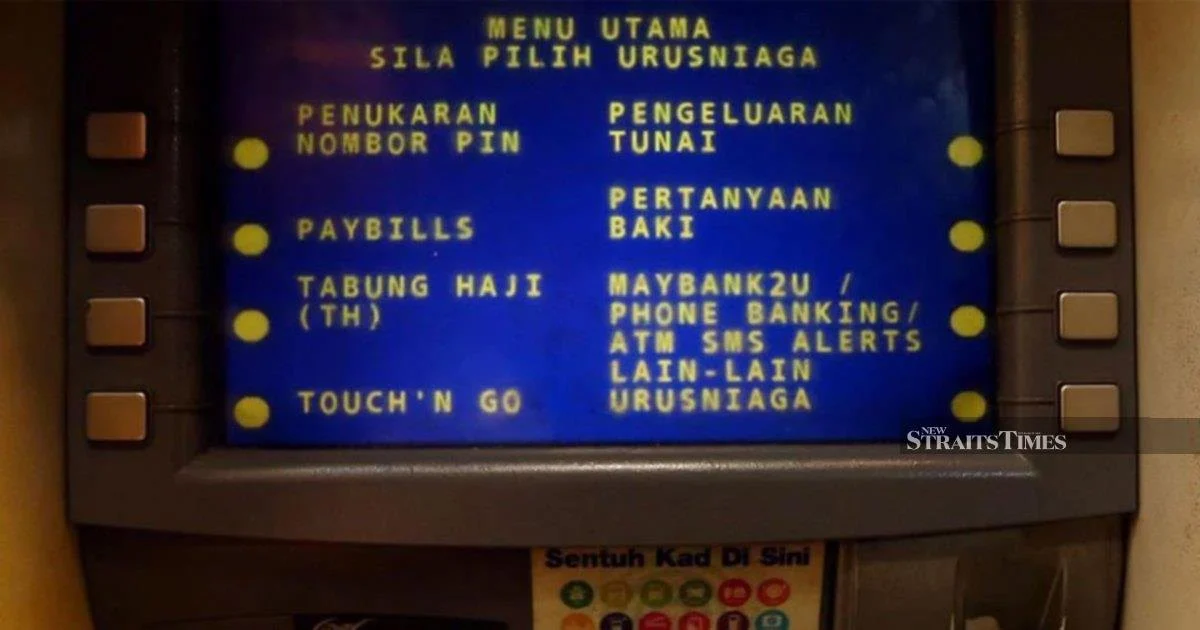
Malaysia's central bank is stepping up its effort to eliminate improper charges at automated teller machines, instructing the public to file complaints if they encounter the RM1 interbank withdrawal fee while accessing cash from their own bank's ATM network. Communications Minister Datuk Fahmi Fadzil relayed this directive on behalf of Bank Negara Malaysia, signaling heightened regulatory attention to the issue.
The move reflects growing concern that some financial institutions may not be implementing fee regulations correctly across their ATM networks. When customers withdraw cash from an ATM belonging to a different bank, the interbank fee of RM1 is permissible under existing guidelines. However, charging this fee when a customer uses their own bank's machine represents an unwarranted charge that violates the spirit of fair banking practices and established regulatory standards.
Bank Negara's approach suggests the central bank has become aware of instances where automated systems or staff procedures may be incorrectly applying fees. Rather than issuing broad directives alone, the regulator is enlisting customer vigilance to identify problem areas. This crowdsourcing of compliance monitoring is a pragmatic strategy that allows Bank Negara to map where systematic failures or deliberate practices are occurring across the banking sector.
The significance of this issue extends beyond individual transactions. While a single RM1 charge may seem minimal, widespread application of improper fees across millions of monthly withdrawals represents substantial revenue for banks whilst simultaneously eroding customer trust. For price-conscious consumers and low-income Malaysians who rely heavily on ATM withdrawals, these unexpected charges compound financial strain. The public's willingness to report such incidents becomes crucial in maintaining a fair financial system.
For Malaysian consumers, understanding their rights regarding ATM fees is essential. Most banking institutions have structured fee schedules that should be transparent and consistently applied. Customers who discover they have been charged at their own bank's ATM should document the transaction details, including date, time, ATM location, and transaction reference number. These details provide Bank Negara with evidence needed to investigate individual banks and identify patterns of non-compliance.
The broader context involves Malaysia's ongoing efforts to strengthen consumer protections in the banking sector. Recent years have seen increasing regulatory attention to fees, service charges, and transparent pricing. Bank Negara has previously taken steps to address concern about rising costs associated with banking services, recognizing that excessive or hidden charges can reduce financial inclusion and disadvantage vulnerable populations who cannot afford premium banking services.
Institutional behavior matters significantly in this context. Banks operating ATM networks must ensure that their systems correctly identify whether a customer holds an account with the institution. Modern banking technology makes this verification straightforward, yet implementation gaps sometimes occur. Discrepancies between a customer's home branch network and the national ATM switching system could lead to erroneous charging if not properly reconciled. Banks have a fundamental responsibility to ensure their charging mechanisms accurately reflect regulatory requirements and their own fee structures.
From a regulatory perspective, Bank Negara's solicitation of public complaints creates accountability pressure. Banks cannot easily dismiss concerns when customer reports funnel through the central bank. Each documented case becomes part of the regulator's evidence base for assessing institutional compliance. This approach also signals to consumers that their feedback matters and influences supervisory action, potentially increasing the likelihood that people report problems rather than silently accepting what they might assume are standard practices.
Southeast Asian banking systems generally are moving toward greater transparency and consumer protection. Malaysia's approach aligns with regional trends emphasizing fair treatment and clear fee structures. As digital banking accelerates across the region, maintaining confidence in traditional ATM networks remains important, particularly for elderly customers and those without smartphone access. Ensuring that these customers are not penalized through improper charges is fundamental to inclusive financial service delivery.
Consumers encountering suspicious ATM charges have multiple reporting pathways. Direct communication with their bank's customer service represents the first step, allowing institutions opportunity to correct errors or reverse erroneous charges. Formal complaints to Bank Negara's consumer protection division follow if banks do not respond satisfactorily. Such escalation helps the regulator build comprehensive pictures of systemic issues warranting industry-wide interventions or enforcement actions against specific institutions.
The financial impact of addressing this issue should not be overlooked. If banking institutions have been systematically applying improper charges, Bank Negara's crackdown could trigger significant compensation obligations. Banks may need to establish refund mechanisms for affected customers, potentially requiring extended customer notification campaigns. The cost of compliance remediation creates incentives for institutions to urgently audit their ATM charging systems and correct any algorithmic or procedural errors.
Moving forward, Bank Negara may consider implementing more proactive monitoring mechanisms beyond customer reporting. Regular audits of ATM transaction records, real-time fee verification systems, and enhanced staff training programs could prevent future occurrences. Transparency requirements mandating clearer ATM-screen notifications about fee eligibility could also reduce confusion and improper charges. Banks should view compliance as a competitive advantage, demonstrating customer-centric service that builds brand loyalty.

