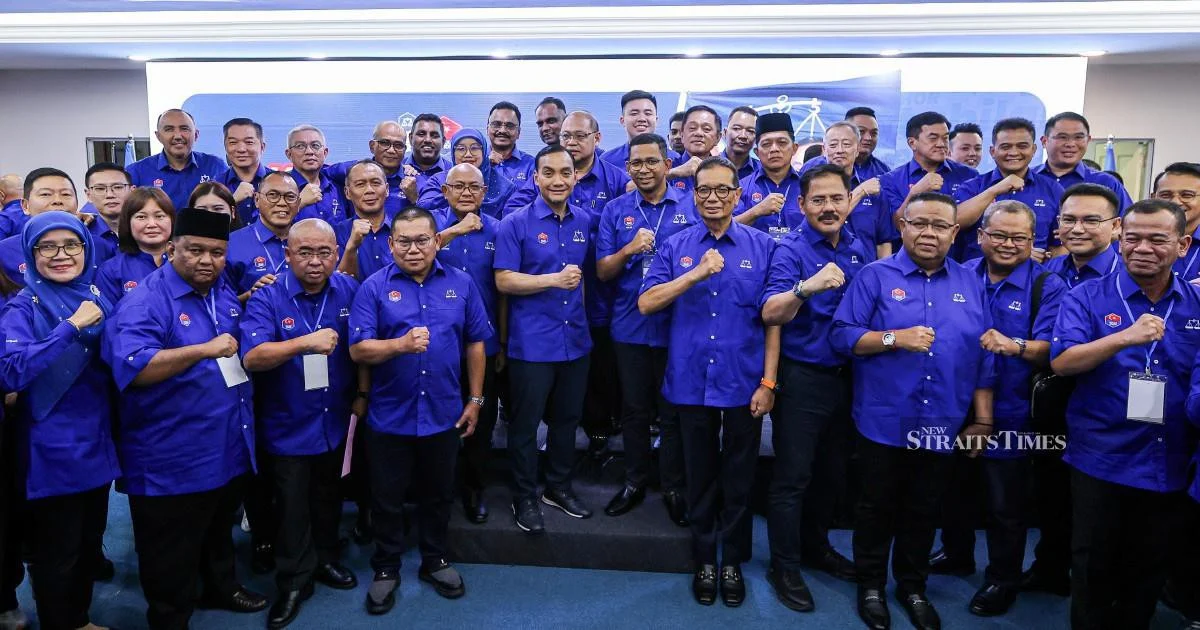
New candidates representing Barisan Nasional component parties in Johor have signalled their commitment to mounting a vigorous campaign as the coalition prepares for the state election on July 11. The infusion of fresh political talent reflects efforts by the traditional ruling coalition to revitalise its presence and appeal to voters across the peninsula's southern region, where electoral fortunes have increasingly become unpredictable in recent years.
The deployment of new faces represents a calculated strategy by BN to address voter fatigue with familiar figures while simultaneously projecting an image of renewal and forward momentum. Johor's political landscape has witnessed significant shifts, particularly following the 2018 general election when voter sentiment turned decisively against the coalition. By introducing younger or previously untested candidates, BN component parties appear intent on countering perceptions of entrenched leadership and connecting with constituencies demanding fresh perspectives on governance and economic management.
Johor holds particular strategic significance within Malaysia's broader political architecture. As the nation's second-largest state by population and a traditional BN stronghold, its electoral outcome carries implications extending beyond state-level governance. Victory in Johor would reinforce BN's recovery trajectory following losses in previous elections, while defeat would represent a substantial setback given the state's historical alignment with the coalition. The July 11 vote therefore functions as a crucial indicator of national political momentum heading into the next general election cycle.
The commitment articulated by these candidates extends beyond mere electoral rhetoric. New representatives entering the political arena typically bring energy and genuine enthusiasm often absent from long-serving legislators, attributes increasingly valued by voters sceptical of patronage networks and entrenched power structures. Their determination to secure victory suggests BN component parties have invested considerably in candidate selection, presumably identifying individuals capable of bridging generational divides and addressing contemporary voter concerns around cost-of-living pressures, employment opportunities, and public service delivery.
Johor's electoral dynamics present both opportunities and challenges. The state encompasses diverse constituencies ranging from urban centres to rural areas, each harbouring distinct demographic profiles and policy priorities. Urban voters increasingly favour candidates emphasising meritocracy and transparent governance, while rural communities often prioritise infrastructure development and agricultural support. New BN candidates must navigate these competing demands while maintaining coalition unity, a task complicated by Johor's multi-ethnic composition requiring appeals transcending traditional communal voting patterns.
The coalition's strategy of introducing new candidates also reflects competitive pressures from opposition alliance Pakatan Harapan and independent candidates. Recent Malaysian elections have demonstrated that voter attachment to specific parties has declined markedly, with individual candidate credibility and perceived integrity increasingly determining electoral outcomes. By presenting candidates unburdened by previous political baggage or controversial statements, BN aims to maximise its appeal among swing voters who might otherwise be attracted to opposition alternatives.
Internal party dynamics within BN component organisations likely influenced candidate selection processes. UMNO, the dominant BN component, traditionally controls the largest share of seats, while MIC and MCA field candidates in specific constituencies. The integration of new faces across these parties required negotiation and consensus-building, suggesting party leadership views the Johor election as sufficiently important to invest energy in harmonising candidate nominations and preventing the inter-party conflicts that have occasionally undermined coalition performance.
For these new candidates personally, the July 11 election represents a threshold moment. Success would establish them within party hierarchies and create platforms for future advancement, while defeat would likely curtail their political prospects or relegate them to secondary roles. This personal stake should theoretically translate into campaign intensity and constituent engagement, as individual aspirations align with broader coalition objectives. Voters may perceive this alignment as generating authentic motivation rather than the routinised campaigning sometimes evident among established politicians.
The broader context of Malaysian politics suggests BN's renewed emphasis on candidate quality responds to legitimate electoral vulnerabilities. Consecutive electoral disappointments demonstrated that organisational machinery and traditional voter loyalty cannot substitute for compelling candidates and coherent policy narratives. New faces theoretically enable BN to reposition itself as forward-looking while retaining institutional advantages and established voter networks. Whether this strategy succeeds depends partly on whether new candidates can articulate distinguishing visions and connect authentically with constituents during the campaign period.
Johor voters will ultimately determine whether BN's candidate renovation strategy proves electorally effective. Success in July would vindicate this approach and likely encourage its adoption in future elections, while failure might prompt reconsideration of candidate selection criteria and campaign messaging. The stakes extend beyond state administration to encompass BN's broader political resurrection and Malaysia's evolving electoral landscape, where established coalitions must continuously adapt to retain relevance amid shifting voter preferences.

