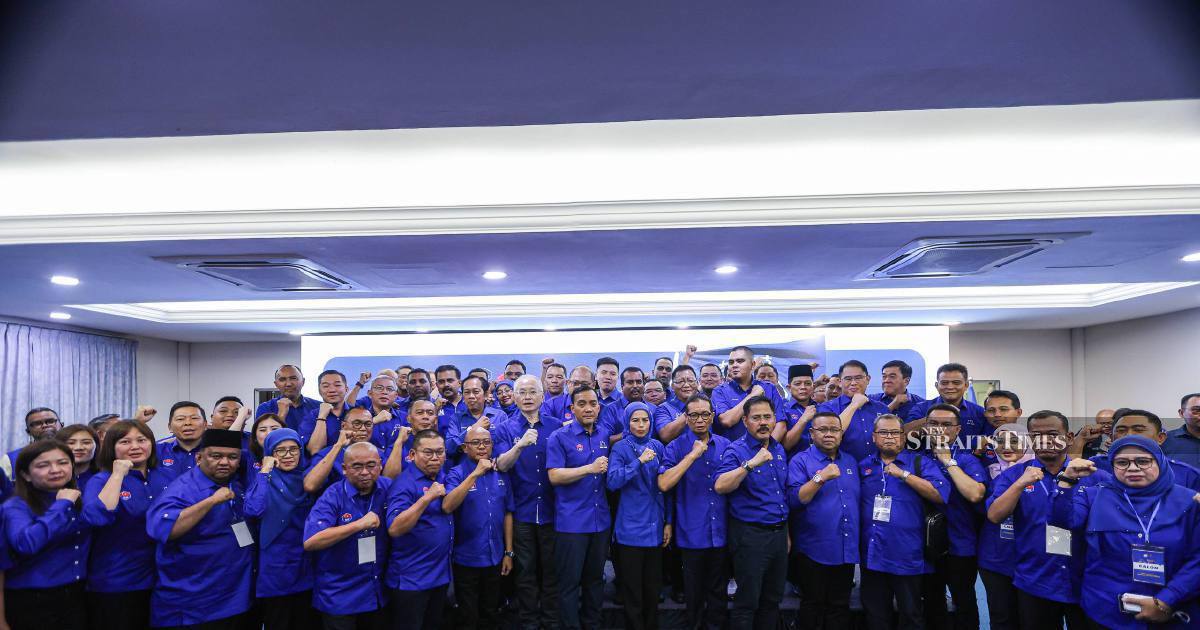
Barisan Nasional has officially revealed the names of all 56 candidates it will field for the forthcoming Johor state election on July 11, completing the coalition's selection process ahead of what is expected to be a closely contested electoral battle. The announcement, made in Johor Baru, represents a crucial milestone in BN's preparation for polling day and signals the coalition's commitment to contesting every available seat in Malaysia's southernmost state.
The unveiling of the complete candidate roster comes at a pivotal moment for Barisan Nasional, which has historically dominated politics in Johor but faces mounting pressure from opposition coalitions and internal recalibration following broader electoral shifts across the country. Fielding candidates across the full complement of constituencies demonstrates the coalition's strategic intent to maximize its electoral reach and defend its traditional strongholds while attempting to recapture areas where it has lost ground.
Johor's significance in Malaysian politics cannot be overstated. As the nation's second-most populous state and a region with considerable economic influence spanning Port Klang's hinterland to manufacturing corridors, the state election carries implications that extend well beyond its borders. Electoral outcomes here often signal broader trends affecting national politics, making the contest a bellwether for coalition strength and public sentiment toward Kuala Lumpur's political direction.
The timing of candidate announcement reflects the administrative requirements of the electoral commission and allows competing parties adequate campaign periods to mobilize supporters and communicate their platforms. For BN, the candidate line-up likely reflects careful deliberation over seat allocations among its component parties—primarily UMNO, MCA, and MIC—ensuring internal coalition balance while addressing ground-level organizational capabilities and member expectations in each constituency.
Candidacy decisions in Malaysia's two-party system remain intricate affairs requiring consensus-building among coalition partners, each wielding influence over certain constituencies based on historical representation, community demographics, and electoral performance. The completion of BN's roster therefore represents the resolution of complex internal negotiations that can test coalition cohesion, particularly when declining seat counts or competitive primaries necessitate difficult choices about incumbent protection versus new candidate infusion.
For Malaysian voters in Johor, particularly those in urban centres like Johor Baru, Kota Tinggi, and Batu Pahat, the candidate announcements signal the beginning of active campaigning. These constituencies present distinct electoral challenges: urban areas exhibit greater political fluidity and higher education levels correlating with diverse political preferences, while rural areas maintain traditional voting patterns that have sustained BN's long-term dominance. The coalition's full-slate strategy indicates confidence in addressing this geographic complexity.
The July 11 election date places the contest squarely in the mid-year political calendar, potentially influenced by weather conditions during the monsoon season and competing public attention with other national priorities. Campaign intensity during this period will test organizational capacity across all competing coalitions, from logistics coordination to messaging dissemination across social media platforms increasingly central to contemporary Malaysian electoral contestation.
Beyond Johor's immediate political implications, the state election occurs within Malaysia's broader democratization trajectory. Recent electoral cycles have demonstrated increasing voter sophistication and willingness to shift allegiances based on perceived performance and policy positions rather than purely ethnic or communal voting patterns. BN's full-candidate strategy must therefore address this changing electorate landscape through substantive policy communication and localized engagement rather than relying solely on traditional machinery.
The announcement also reflects BN's resource mobilization and grassroots organizational capabilities. Fielding competitive candidates across 56 seats requires substantial financial investment in campaign infrastructure, candidate support systems, and voter outreach programs. The coalition's ability to simultaneously support all candidates while prioritizing marginal seats where contests appear closest will significantly influence electoral outcomes.
For Malaysia's broader political ecosystem, BN's full mobilization in Johor demonstrates the coalition's determination to reverse electoral fortunes following setbacks in other recent contests. A strong Johor performance would reinforce BN's claims to continued relevance and governing capacity, potentially reshaping calculations among political actors considering coalition memberships and strategic alignments heading toward the next general election.
The coming weeks will reveal how effectively BN's candidate roster translates into campaign momentum. Each of the 56 selected individuals carries personal political credibility, community connections, and mobilization networks that collectively determine whether the coalition's formal candidate list becomes an electoral victory. Campaign effectiveness, media coverage dynamics, and opposition coalition strategies will ultimately determine whether BN's comprehensive candidacy strategy translates into seat gains or losses on July 11.