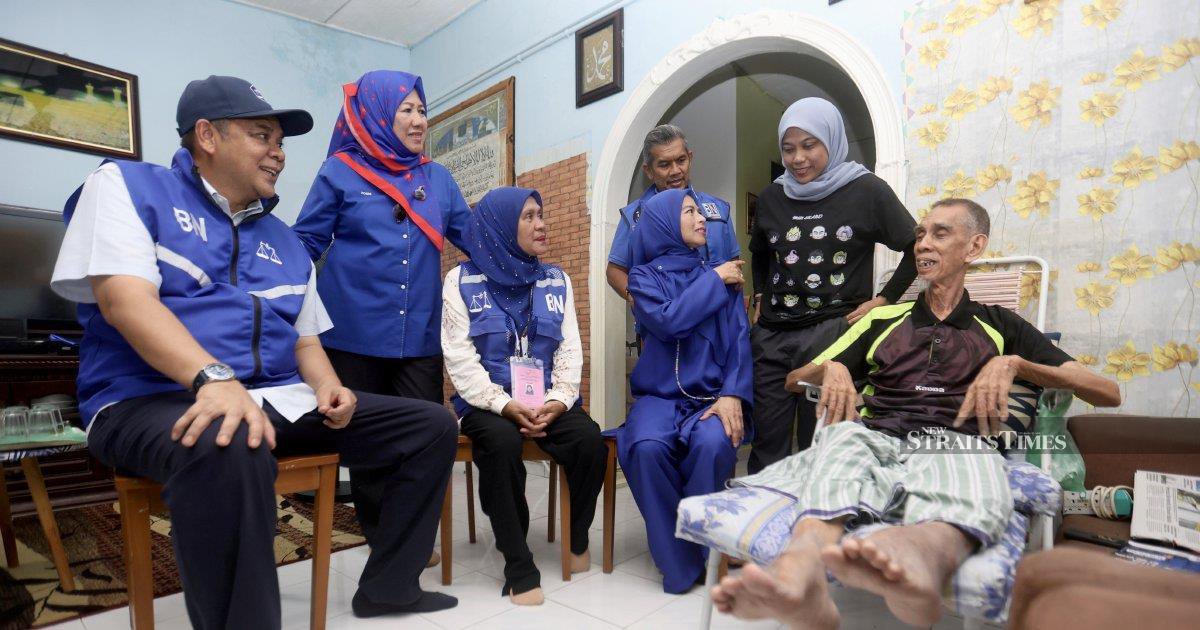
Barisan Nasional is pinning considerable hopes on a spillover effect from its political achievements in Johor as it gears up for the forthcoming Negri Sembilan state elections. According to Wanita Umno chief Datuk Seri Dr Noraini Ahmad, the coalition intends to leverage what observers are calling the "Johor aura"—a reference to the coalition's strengthened position and voter appeal in the southern state—to energise support among Negri Sembilan's electorate. This strategy reflects a broader effort by BN to consolidate momentum across Malaysia's heartland states and rebuild its political standing after years of electoral setbacks.
The invocation of Johor's success carries significant symbolic weight within BN's current recovery narrative. Having managed a comeback in Johor during recent electoral cycles, the coalition has sought to demonstrate renewed governance capacity and voter confidence, particularly in states where its dominance had previously eroded. That achievement has become a touchstone for the coalition's communications strategy, suggesting to voters in other states that BN remains capable of delivering effective administration and addressing community concerns.
Negri Sembilan presents a meaningful test case for this approach. The state, nestled between the Klang Valley and Johor, occupies a strategic position in Malaysia's political geography. As a relatively smaller state with a population concentrated around its capital Seremban and surrounding areas like Kuala Pilah, Negri Sembilan's electoral dynamics have been shaped by similar demographic and economic pressures affecting other states in the region. Understanding how voters respond to the invocation of Johor's success may offer insights into whether regional momentum can genuinely influence electoral outcomes across state boundaries.
Wanita Umno, the women's wing of the United Malays National Organisation, has traditionally played a crucial grassroots mobilisation role within BN's electoral machinery. By positioning Dr Noraini Ahmad as the spokesperson for this strategy, the coalition is deploying one of its most recognised female political figures to reach Negri Sembilan's voters, particularly women whose participation remains a significant variable in determining electoral margins. This tactical choice underscores how BN continues to deploy gender-specific messaging and representation as part of its broader campaign architecture.
The "Johor aura" strategy assumes that electoral success in one state can generate sufficient positive sentiment to influence voting patterns elsewhere. This reflects both psychological dynamics in electoral behaviour—where voters in neighbouring regions may perceive improving governance and take note—and practical considerations regarding campaign messaging and resource allocation. BN operatives evidently believe that showcasing competent administration and tangible improvements in Johor creates a persuasive narrative for voters elsewhere who may harbour similar concerns about service delivery and economic opportunity.
However, the transferability of regional momentum depends on several contextual factors unique to Negri Sembilan. The state possesses distinct economic structures, demographic profiles, and political histories that shape voter priorities differently than those in Johor. Agricultural communities, small business operators, and rural populations in Negri Sembilan may weigh governance achievements and policy proposals through lenses that differ from those applied by voters in the more industrialised and urbanised Johor. Campaign effectiveness ultimately hinges on whether BN can translate the abstract notion of Johor's success into specific policy commitments relevant to Negri Sembilan's particular circumstances.
The emphasis on the "Johor aura" also reflects deeper calculations within BN's strategic positioning. The coalition recognises that messaging around competence and governance delivery resonates more effectively with today's voters than traditional identity-based appeals. By centring its Negri Sembilan campaign on tangible achievements and administrative capability demonstrated in Johor, BN positions itself as solution-oriented and forward-looking rather than dwelling on historical grievances or factional disputes. This framing strategy attempts to reset the terms of political competition away from corruption allegations or governance failures that plagued earlier BN administrations.
The electoral context for Negri Sembilan elections carries implications extending beyond the state itself. As a relatively small state by population and economic scale, Negri Sembilan's results serve as indicators of broader trends within the peninsula's political landscape. A successful application of the Johor momentum strategy would validate BN's approach across multiple constituencies and strengthen its hand in negotiations with potential coalition partners. Conversely, failure to replicate Johor's success would suggest that regional momentum has distinct limitations and that state-specific groundwork remains irreplaceable.
For Malaysian voters observing this electoral contest, the Negri Sembilan election provides an opportunity to assess how effectively the coalition can move beyond celebratory messaging about past successes toward concrete commitments addressing current challenges. The "Johor aura" functions as a rhetorical device, but its political power ultimately depends on whether voters perceive it as representing genuine governance improvement capable of serving their interests. The state's upcoming polls will reveal whether this calculated invocation of regional success proves sufficient to mobilise electoral support or whether local considerations and individual candidate quality remain more determinative than coalition-level momentum.

