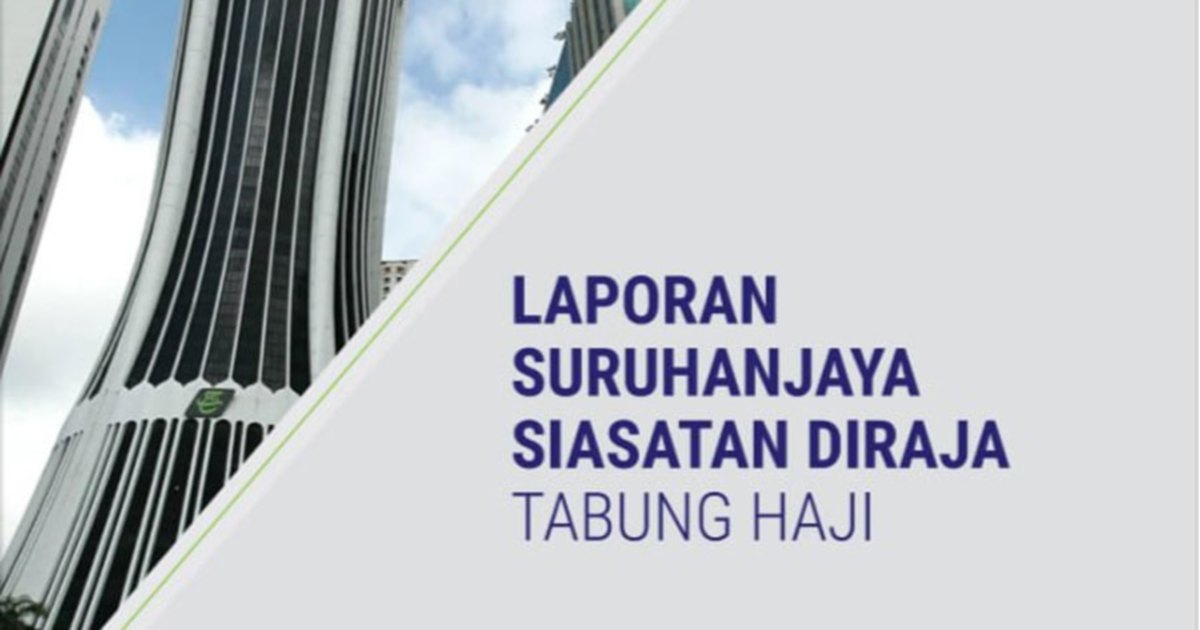
Barisan Nasional is preparing to capitalise on findings from a Royal Commission of Inquiry into Tabung Haji, with senior coalition figures suggesting the briefing will strengthen their electoral positioning ahead of polling in Melaka. The revelation underscores how government investigations into high-profile institutions are becoming weaponised in Malaysia's increasingly competitive political landscape, where state elections serve as important barometers of voter sentiment before national contests.
The RCI was established to investigate governance, financial management, and operational failures at Tabung Haji, the government-linked organisation managing the Islamic pilgrimage savings scheme for millions of Malaysian Muslims. The inquiry's conclusions carry particular weight given the institution's cultural significance and its direct relationship with ordinary Malaysians' financial security and religious obligations. When such investigations are completed, their public release inevitably triggers political responses as parties seek to demonstrate their commitment to accountability and good governance—particularly during election campaigns.
Component party leaders within Barisan Nasional have indicated that the RCI briefing will provide ammunition for their campaign narrative in Melaka, suggesting they believe the report's findings reflect positively on the coalition's commitment to investigating past mismanagement. This calculation reveals how elections in individual states have become testing grounds where federal and state coalitions vie to demonstrate competence and integrity. Melaka's electoral dynamics carry broader significance as a swing state that has alternated between Barisan Nasional and opposition-led administrations, making voter perception of good governance particularly consequential.
The timing of the briefing announcement highlights a broader pattern in Malaysian politics where the release of investigations and inquiries is frequently coordinated with election cycles. Whether intentional or coincidental, such alignment creates perceptions that investigative findings are being deployed strategically rather than disclosed through normal administrative channels. For Tabung Haji specifically, this development means the institution's governance challenges will become fodder for political debate rather than remaining within technical or bureaucratic discussions focused purely on operational reform.
For Malaysian pilgrims and Tabung Haji account holders, the RCI's findings are significant beyond electoral considerations. The inquiry likely addresses systemic issues affecting fund management, investment decisions, transparency, and shariah compliance that impact millions of Malaysians' savings intended for hajj journeys. Understanding what went wrong and how corrective measures will be implemented matters far more to ordinary account holders than which political coalition benefits electorally from the report's release. Yet the politicisation of such inquiries inevitably clouds public discourse around technical remedies and institutional reform.
The Melaka election context adds another dimension to this political calculation. The state has been a bellwether in recent years, with its electoral outcomes frequently foreshadowing national sentiment. Barisan Nasional's confidence that the RCI briefing will assist its campaign suggests the coalition believes it can successfully frame the findings as vindication of their governance and accountability priorities. However, opposition parties will likely counter by questioning why such investigations were not initiated earlier and demand details about accountability measures for those responsible for Tabung Haji's difficulties.
Southeast Asian observers tracking Malaysian politics will note that the intersection of institutional inquiries and electoral calendars reflects broader democratic challenges across the region. When investigative bodies produce findings that coincide with major elections, credibility questions inevitably arise regarding whether investigations were designed with electoral impact in mind. Malaysia's institutional frameworks are sufficiently mature to insulate inquiries from crude political manipulation, yet the perception that timing matters to political fortunes remains difficult to dispel entirely.
The substance of the RCI report will be crucial in determining whether Barisan Nasional's confidence in its electoral utility proves justified. If the findings clearly document governance failures and propose concrete remedies, voters may indeed view the inquiry as evidence that systems work and accountability is achievable. Conversely, if the report is perceived as incomplete or its recommendations appear insufficient, the opposition may use it to argue that investigations without meaningful reform represent mere political theatre. The credibility of the RCI itself depends on public perception that it operated independently and fairly assessed all parties responsible for Tabung Haji's difficulties.
Beyond Melaka's immediate politics, the Tabung Haji RCI has implications for how Malaysian Muslims perceive governance of institutions entrusted with their religious and financial interests. Tabung Haji occupies a unique position in Malaysian society, bridging government, religion, and household finance. Trust in its management affects not merely investment decisions but religious practice itself—Muslims must have confidence that their savings will be available when they undertake the hajj pilgrimage, one of Islam's five pillars. Political leaders from all coalitions should recognise that electoral calculations, while legitimate, must remain subordinate to genuine institutional reform that restores public confidence.
The briefing announcement also raises questions about information access and equity. Component party leaders receiving briefings ahead of public disclosure gain communicative advantage when crafting campaign messages. Ensuring that all political parties and the general public receive access to RCI findings simultaneously would demonstrate commitment to fair competition grounded in shared factual understanding. Where investigative conclusions are released selectively or with timing that advantages particular coalitions, perceptions of institutional independence inevitably suffer, even if the underlying investigation was conducted professionally.
Moving forward, Malaysian authorities managing major inquiries should establish clear protocols for information release that prioritise public interest over political convenience. The Tabung Haji RCI's findings deserve scrutiny based on their merits rather than their electoral timing. Melaka voters will make electoral decisions based on multiple factors, and while institutional accountability matters, the broader question of which coalition can deliver effective governance across multiple portfolios should remain central to election campaigns. Using investigation findings strategically for electoral advantage, while technically permissible, ultimately corrodes institutional credibility and public trust in governance processes designed to serve the public interest above political considerations.

