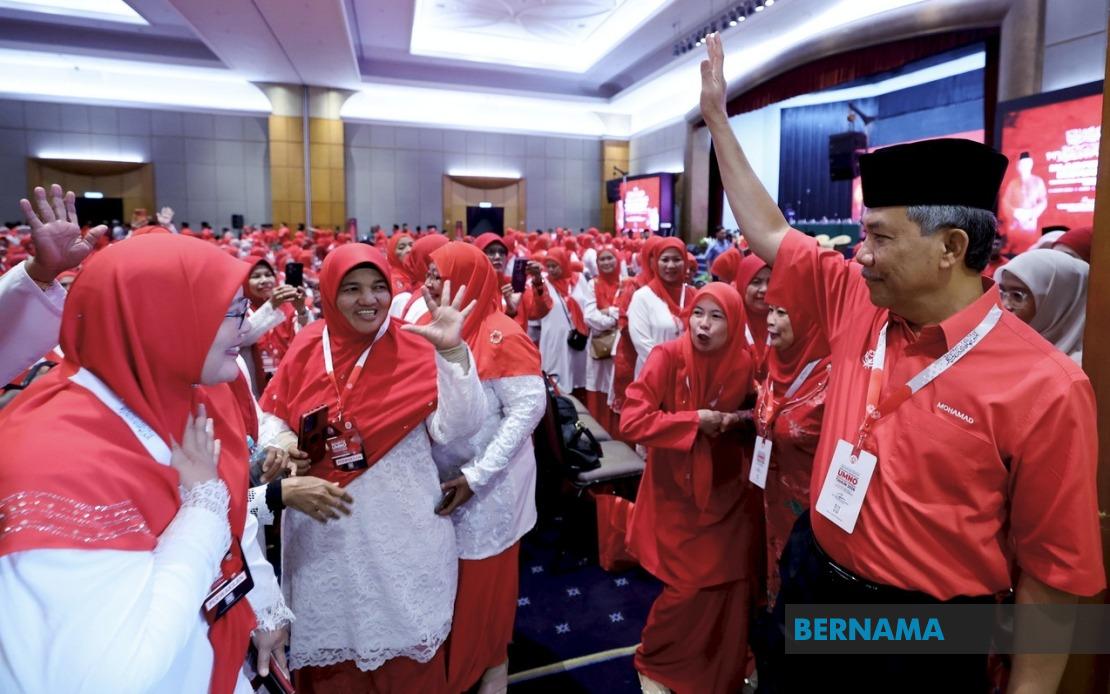
Barisan Nasional is preparing to shake up its time-honoured approach to seat distribution for the 16th Negeri Sembilan state election, signalling a departure from the rigid assignment of constituencies that has long characterised the coalition's electoral strategy. Datuk Seri Mohamad Hasan, serving as both BN deputy chairman and Negeri Sembilan BN chief, disclosed the strategic shift while addressing party members in Seremban, reflecting internal recognition that the electoral landscape has transformed significantly since previous contests.
The impetus for this reorientation stems from substantial changes in voter composition across most state constituencies. Rather than perpetuating the established pattern whereby particular parties within BN receive fixed electoral territories regardless of circumstances, the coalition leadership intends to conduct a thorough reassessment. This analytical process will examine historical election outcomes, shifting demographic patterns, and realistic capacity assessments for each component party to secure victory in specific areas.
Morehamad articulated the philosophical rationale underpinning the reform, emphasising that the traditional model—whereby certain seats are reserved for particular parties on a standing basis—has restricted democratic choice and limited the coalition's electoral flexibility. The new framework would enable BN's component parties to pursue constituencies where they possess genuine competitive strength rather than contest in predefined zones regardless of changing circumstances. This represents a significant philosophical departure, acknowledging that voter sentiment and demographic composition demand adaptive rather than static seat-sharing arrangements.
The practical implications are substantial for Malaysia's largest and longest-established political coalition. By permitting component parties to seek different constituencies, BN theoretically optimises candidate placement and mobilises party resources where competitive advantage exists. However, this approach introduces coordination complexity and requires sophisticated internal negotiation to prevent disputes that could undermine coalition cohesion during the campaign period.
Responsibility for finalising seat allocations remains centralised within BN's institutional structure. Although Mohamad possesses authority as Negeri Sembilan's BN chairman to recommend modifications based on local assessment, ultimate decisions rest with the BN Supreme Council operating at national level. This centralised arrangement prevents individual state organisations from fragmenting coalition unity, though it demands timely coordination between state chapters and federal headquarters.
The compressed timeline intensifies preparation pressure significantly. All division heads have received instructions to submit candidate lists following established protocols, with each candidate required to nominate at least three individuals per contested seat. The coalition leadership aims to announce candidates publicly on July 15 coinciding with the official election machinery launch, leaving merely ten days for finalisation. This accelerated schedule reflects the Election Commission's timetable, which designated July 18 for nomination filing and August 1 as polling day.
Internal party cohesion represents another critical consideration influencing the strategic recalibration. Mohamad explicitly cautioned against internal disputes, citing historical instances where sabotage by coalition members contributed to electoral losses. The psychological weight of such precedents explains why leadership emphasises accommodation of component parties' preferences—factional conflict during campaigning inevitably damages overall coalition performance. By demonstrating responsiveness to partners' aspirations, BN attempts to maintain unity essential for competitive effectiveness.
Morehamad's personal electoral position remains undetermined within this restructuring process. Although he has represented the Rantau state seat continuously since 2004, he declined to confirm candidacy, instead deferring the decision to party leadership. This measured ambiguity suggests either genuine uncertainty regarding his own electoral plans or strategic positioning that preserves options until Supreme Council deliberations conclude. His willingness to leave the question open demonstrates subordination to collective institutional decisions—a signal of party discipline to subordinate leaders.
The broader regional context renders this BN reassessment particularly significant for Malaysian politics. Negeri Sembilan, though a smaller state, holds symbolic importance as a consistent BN stronghold and bellwether for coalition health. Electoral performance here provides indicators of whether BN's structural adaptations prove efficacious or whether internal tensions undermine coordination benefits. The coalition's strategic flexibility in this contest will furnish preliminary evidence regarding its capacity to adjust governance and electoral approaches in response to contemporary political dynamics.
For Southeast Asian observers, BN's deliberations exemplify how long-established governing coalitions navigate legitimacy challenges in maturing electoral systems. Rather than rigidly maintaining institutional arrangements, BN's leadership recognises that demographic change, voter expectation shifts, and competitive pressure necessitate periodic recalibration. Whether this particular reorientation succeeds in reversing recent electoral trajectory or merely postpones confronting deeper structural questions will become apparent through the August 1 results.
The coalition's internal negotiations during the coming fortnight will reveal whether component parties genuinely embrace flexibility or whether parochial interests ultimately reassert dominance. The announcement of candidate lists on July 15 will provide comprehensive evidence regarding whether BN's leadership rhetoric translates into substantive seat redistribution or whether traditional patterns largely persist beneath modified terminology. This forthcoming disclosure will illuminate both coalition unity and the electoral prospects for Negeri Sembilan's competitive contest.

